
In an IBC panel, a team of experts from SVG, Women in Virtual Production, and Women in Technology Hollywood asked the searing ethical and feminist questions implicit in the rise of AI.
“AI is unequivocally biased against the female gender, and that is a fact, not a sweeping statement,” said Heather McLean, Head, SVG Europe Women, leaning on statistics from various sources, including McKinsey and UN Women.
.jpg)
Speaking on the “The Human Advantage: Redundant/Resurgent?” panel at the Future Tech Ignite stage, McLean continued: “The AI industry faces a significant gender gap, which is a serious twofold problem for women: the first is that women are largely being left out of the room where AI technology is built in the first place; the second is that their jobs are also among the most exposed to disruption by AI.”
Statistics show that only 30% of AI professionals worldwide are women. That means there's a lack of diversity in the very room where the technology is being built to address and identify gender bias. The panel observed that biased AI is created when this combines with datasets that underrepresent women.
Examining the role of humans in an increasingly AI-driven world, the panel also noted that 99% of Fortune 500 companies use AI in the recruitment process, which means women are facing shrinking opportunities. “They’re using technology that is already biased against women, so whose CVs get knocked out first? It's not just women; it’s also people of colour, names that don't sound American, and so on,” she critiqued.
Indeed, women’s representation in European technology roles actually declined over the last three years, which, according to McLean, should be ringing alarm bells. If left unaddressed, gender biased AI may not only entrench discrimination against women, but undermine innovation, economic growth, and even public trust in digital systems, she warned. “If the system you’re participating in is biased against you, you withdraw from it, which means you withdraw from democracy, in many ways.”
There is a need for internationally recognised, agreed standardisation for gender-responsive AI design. “We need to see AI companies put standardisation in place, and also governments pushing those companies nationally,” she concluded.

JustWatch to launch own streaming service
Reports say that JustWatch Group, which operates the world’s largest streaming guide, will launch its own streaming service, called JustWatch TV, in October.
.jpg)
CBC/Radio Canada picks Dalet
CBC/Radio-Canada has selected Dalet to modernise its news operations across Canada.
 (1).jpg)
Evergent wins API Gold from TM Forum
Evergent has achieved Gold status in TM Forum’s Open API Conformance Certification programme, advancing from the Silver status earned in the first quarter of 2026.
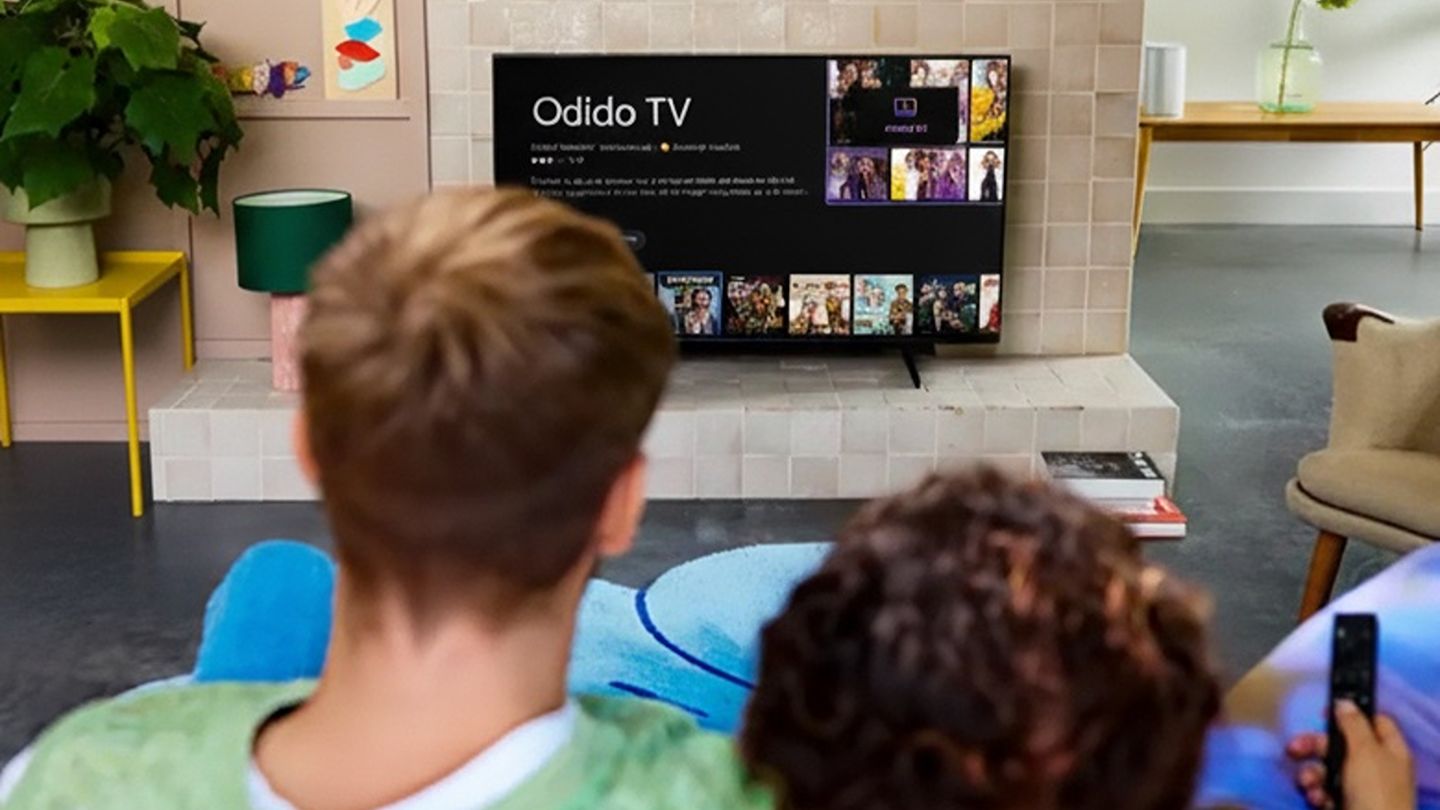
Dutch telco Odido picks Synamedia Go
Odido, a telecoms operator in the Netherlands, has selected Synamedia Go to support its TV streaming service.
Zixi extends integration with TAG Video Systems
Zixi and TAG Video Systems have announced an extended integration that enables Zixi’s live video delivery and orchestration software platform to leverage TAG’s content matching technology.
 (2).jpg)
.jpg)
.jpg)
 SR (1).jpg)