
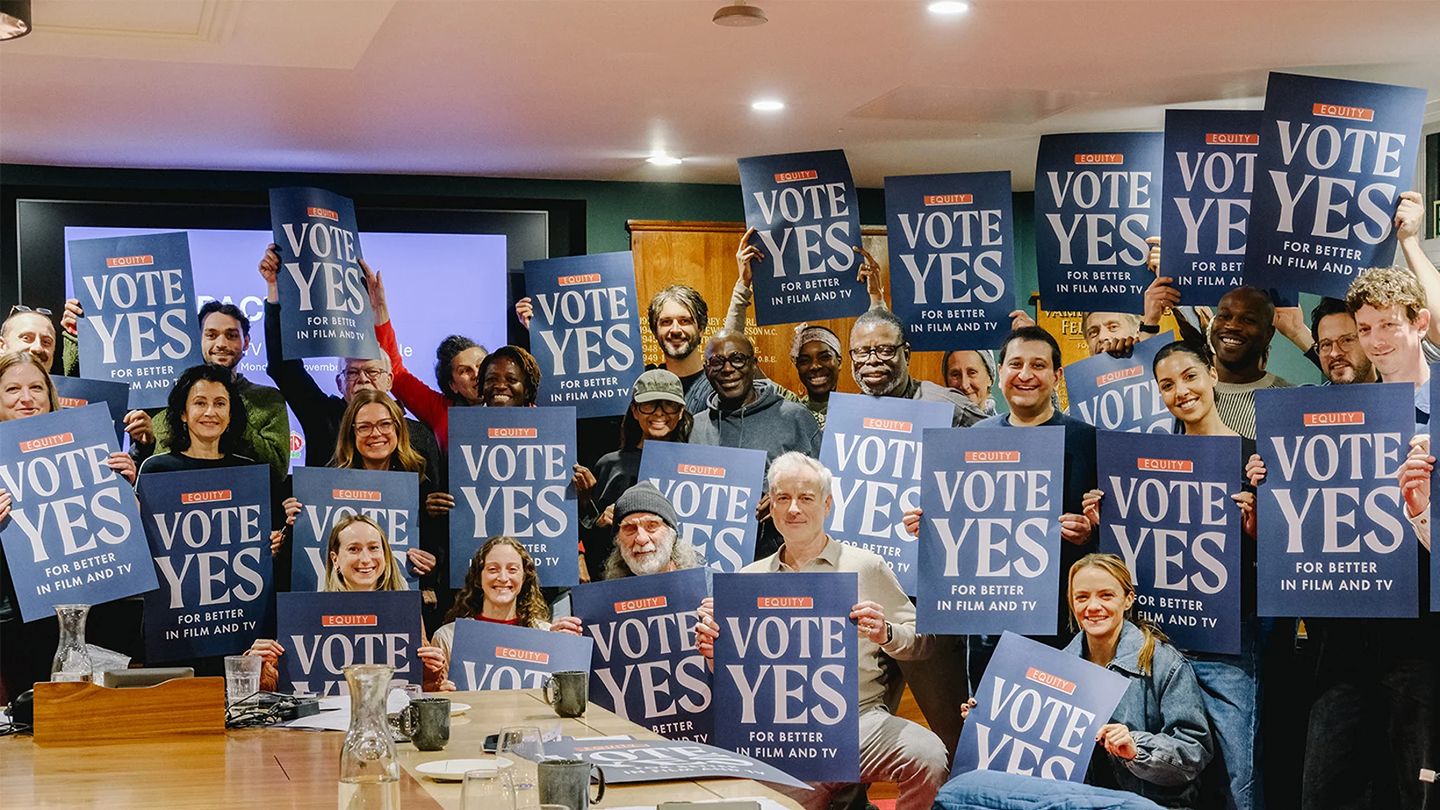
Actors’ union Equity has secured the first ever collective AI protections for performers in UK film and television, striking an agreement on protections for artists over the use of their digital likeness.
The AI protections are part of a wider agreement struck between Equity and Producers Alliance for Cinema and Television (PACT), which covers pay and conditions for actors and stunt workers.
The agreement provides protections for artists over their digital likeness and was secured after Equity members voted 99% in favour of taking industrial action and refusing to be scanned on set, in an indicative ballot last December.
Under the new deal, performers will have the right to be paid when their digital replicas are used and to consent to their use.
Approval must be secured from an actor if a digital double or digital alteration is used to make “substantive changes” to scenes involving agreed levels of nudity or simulated sexual activity.
Also, producers may not use a digital replica during a strike “in any circumstance where consent is required for such use”.
Contracts will also have to make clear that producers can only obtain permission for a specific project, rather than obtaining “blanket consent” to an actor’s digital replica.
Almost 8,000 Equity members will vote on the three-year offer with Pact, which also includes a 24% increase in pay rates for the biggest films, and a 9% increase for TV, plus increases to other payments.
The new agreement includes a raft of rights and protections, from casting and auditions to shoot and post-production.
Many are codified in an enforceable agreement for the first time ever, such as a minimum 72-hour notice period for self-tapes and a commitment to cast disabled artists in disabled roles.
There is also a new contractual obligation for producers to provide artists of all ethnicities and cultures with adequate hair and make-up provision. Alongside this, the agreement will see the introduction of bullying and harassment principles during casting and auditions.
For the first time, sustainability provisions are included in contracts, adopting a Green Rider to help improve the environmental impact of film and TV.
Paul W Fleming, General Secretary, Equity, said: “We set about to radically improve and modernise the terms and conditions for performers across UK TV and film. The result is groundbreaking. We’ve achieved the best AI provisions in the business – protecting performers and ensuring that human performance is valued and prioritised across the industry.”
Controversial ‘AI superstar’ Tilly Norwood recently appeared at IBC to give what was claimed to be her first live interview. Discover more here.
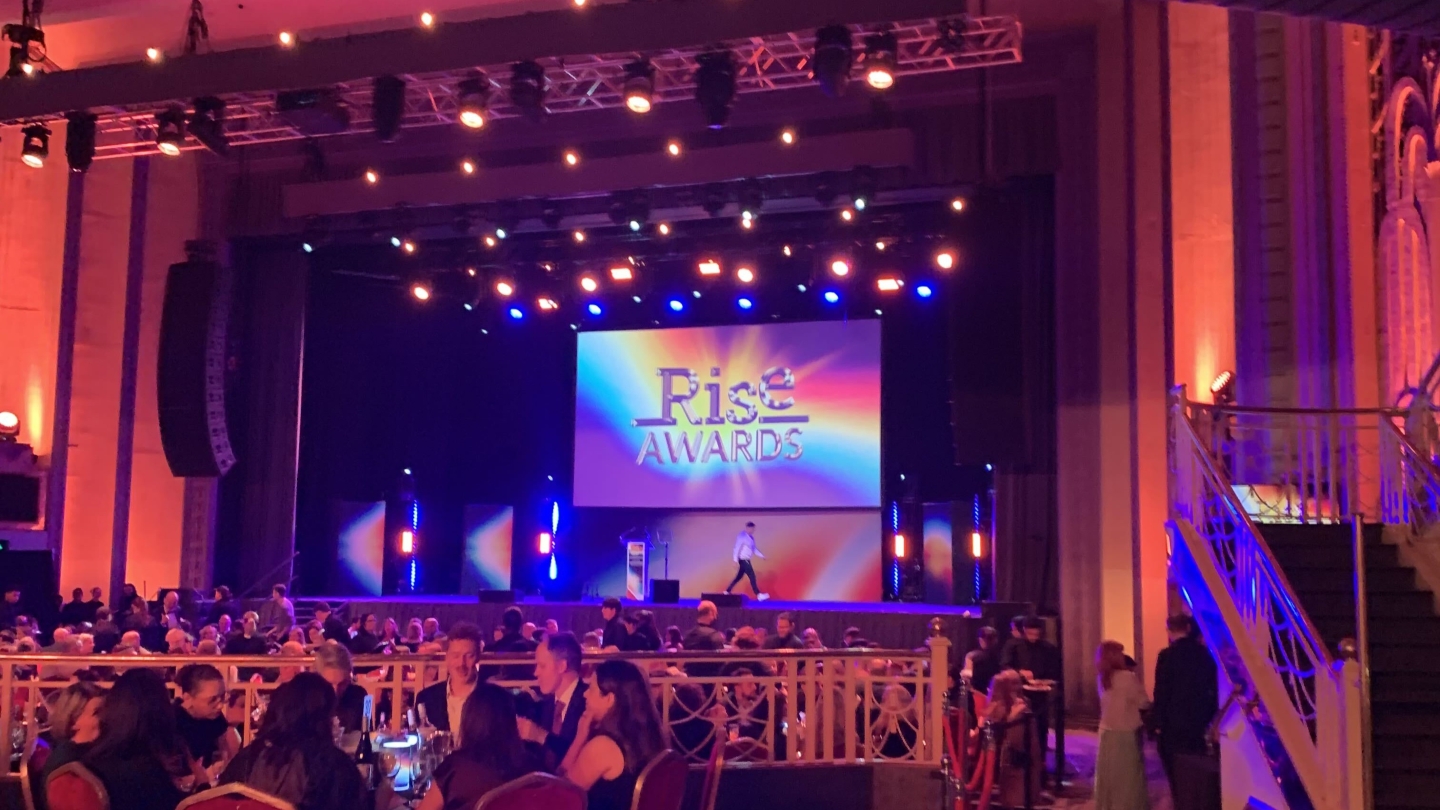
Maria Hellström wins Rise’s Woman of the Year
Advocacy group Rise named the winners of the 2026 Rise Awards last night (Nov 17) in a ceremony hosted at Troxy, London.
 (1).jpg)
Over half of consumers want to reduce their screen time, Ampere reports
More than a third (35%) of UK and US consumers who say they try to limit their screen time actually spent more time on social media over the previous six months, according to new research from Ampere Analysis.
.jpg)
UK creatives seek end of “culture of open secrets” on abuse
Nearly 400 British creatives have signed an open letter calling for an end to a “culture of open secrets” in the entertainment industry following the Russell Brand, David Walliams, and Love Island scandals.
.jpg)
Apple to add video for podcasts on Apple TV app
Apple is to add video versions of podcasts to its Apple TV app.
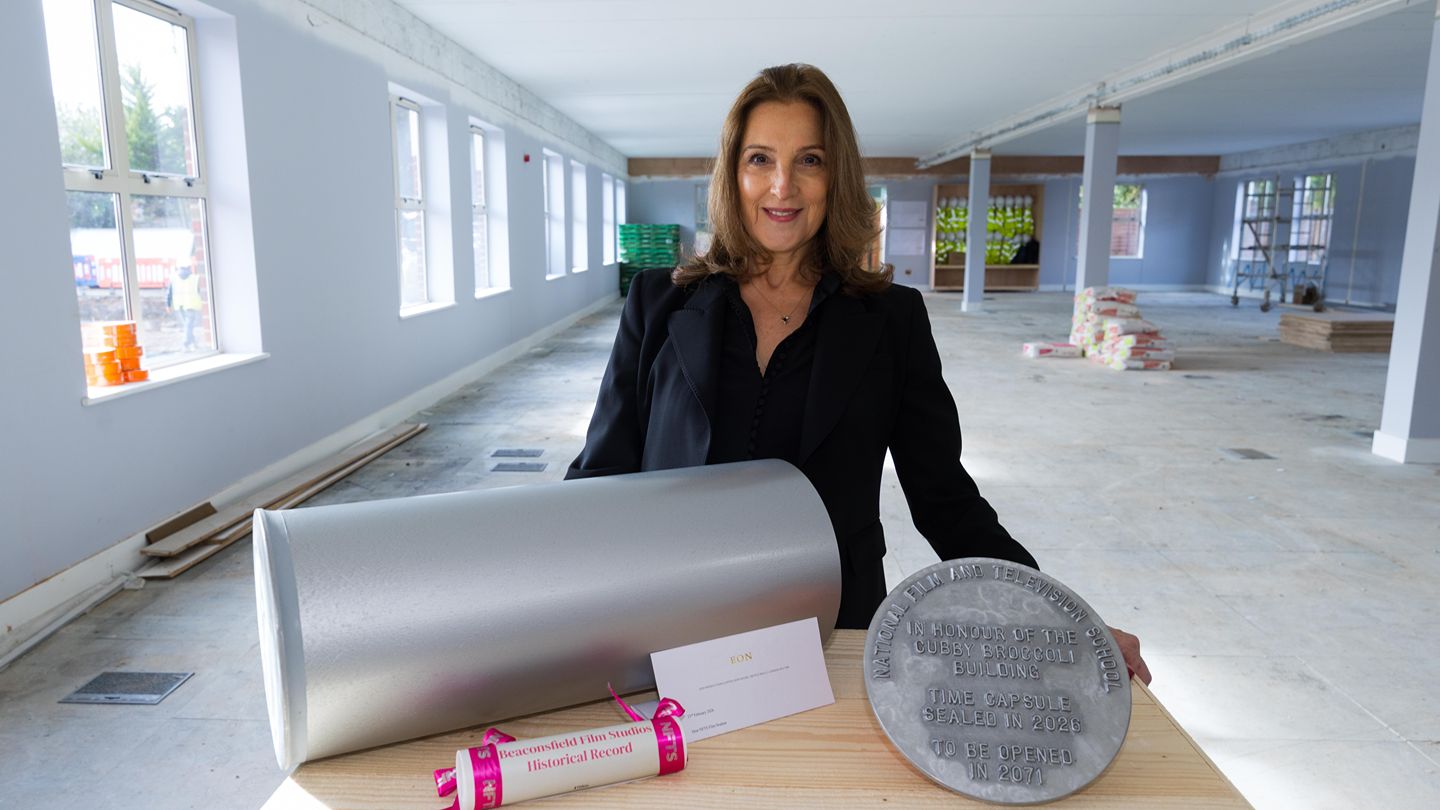
Barbara Broccoli becomes President of UK’s National Film and Television School
The National Film and Television School (NFTS) has named film producer Barbara Broccoli as the first female President in the school’s history.
 (2).jpg)
.jpg)
.jpg)
 SR (1).jpg)