
Sky research has found that the UK is capable of fully moving to internet-delivered TV in the 2030s – if the UK Government sets a clear timetable and invests in targeted help for those most at risk of digital exclusion.
Drawing on a nationally representative survey of 1,000 UK TV viewers, in-depth consumer workshops and expert interviews, the research found that most viewers have already made the switch to internet-delivered TV, as 94% of UK adults have internet at home and 92% use a video-on-demand (VOD) service.
The report, Stream On: The Future of UK TV, is a piece of new independent research by Oliver & Ohlbaum Associates (O&O). The publication comes as DCMS and Ofcom consider options for the future of TV distribution and the potential retirement of digital terrestrial television (DTT) during the 2030s.
Building on DCMS-commissioned forecasts, O&O modelled the impact of a clear government decision to move towards an “IP TV switchover”.
In 2023, there were 3.9 million households not using internet-delivered TV. Without action, DCMS modelling suggested that 1.8 million could remain unconnected in 2035. However, according to the researchers, evidence from the 2012 digital switchover and international experience showed that a clear announcement around 2027, coupled with effective public communication, could reduce this number by approximately 330,000 households by 2034.
These remaining households are more likely to be older, lower-income, or disabled – groups who already experience digital exclusion across public services, work, healthcare and banking. The report argued that helping them to connect should be seen as part of the UK’s wider digital inclusion agenda, not a TV-specific fix.

Overall, the report concluded that audiences – including older viewers – are enthusiastic about connected TV, with 93% finding its features useful, rising to 99% among those aged over 70 years old.
The research finds that internet-delivered TV is already transforming the viewing experience, particularly for older and disabled audiences. Specifically, 93% of connected TV users value features such as pause, rewind, and watch from the beginning. Among over-70s, this rises to 99%, and they were found to be more likely than younger viewers to rate features as “very useful”.
Similarly, accessibility tools – including voice control and improved subtitling and audio description – are described by experts as “transformative” for some older and disabled viewers. As a result, the report found that consumers would prefer the UK Government to focus on digital inclusion – skills and affordability – rather than maintaining a legacy broadcast system.
What audiences want
In fact, the research indicated that audiences would prioritise support for vulnerable groups to transition to internet-enabled TV over investment in a ‘nightlight’ broadcast service, with 72% of workshop participants preferring support with connected TV skills and affordability for those who need it.
Audiences are equally clear about what they want next from the front-end of their TV services: better content discovery, strong safety features, and a trusted, family-friendly environment. It’s reportedly important that the increase in choice comes with simplification too – audiences want simple interfaces with a variety of content shown in one place, akin to the traditional TV guide, to ensure they can easily discover their next watch.
Going forward, audiences are most excited about new features that allow them to curate their experience, such as: subscription bundling; a single, aggregated user interface; and greater personalisation, along with simplification to reduce the overwhelm of multiple apps.
Future of TV – AI and social services
According to Sky, expert insight reveals that AI and visual rendering will increasingly change how audiences interact with their TVs. Advancements in technology are projected to provide opportunities for hyper-personalised viewing – from tracking a favourite footballer’s positioning and in-match interactions to taking a virtual player's seat in a favourite game show, while content consumption will increasingly transition to co-creation.
This technology was also found to have the potential to transform the viewing experience for elderly and disabled viewers. Features such as improved natural language voice control and real-time captioning are expected to provide transformative opportunities for those with accessibility needs.
Other uses for the TV set also seem to be emerging. In total, 60% of survey respondents were excited about social viewing. Nearly 50% of survey respondents were excited about video calls via their TV. Around 60% expressed interest in at least one lifestyle and productivity features such as virtual exercise classes, shoppable TV experiences, interactive cooking guides, conducting GP appointments, or online learning.
Nick Herm, Group Chief Operating Officer at Sky, said: “This research shows that modern TV and social inclusion can go hand in hand. A full move to internet-delivered TV in the 2030s is achievable – and it can help close the digital divide rather than deepen it. With most people already streaming, an investment from the government in skills and affordable connectivity for the relatively small number of households who still need help to get online will have benefits far beyond TV, while saving hundreds of millions on maintaining legacy systems.”
UK regulator Ofcom recently called for digital platforms such as YouTube to make programmes from channels such as the BBC and ITV more prominent, amid a warning that public service TV is “endangered.” Discover more here.

Netflix pledges to “take slate to next level” in wake of programming shake-up
Netflix Co-CEO Ted Sarandos has addressed the raft of job cuts the streamer made this month, saying the company plans to focus on its core business: producing quality TV shows and films.
.jpg)
EBU and Nvidia expand sovereign AI partnership
The European Broadcasting Union (EBU) and Nvidia are expanding the sovereign standards partnership they announced last year for European public service media.

TV Festival unveils dates, venue, and advisory chair for first Manchester edition
The TV Festival, formerly the Edinburgh TV Festival, has revealed the first details of its inaugural Manchester event.
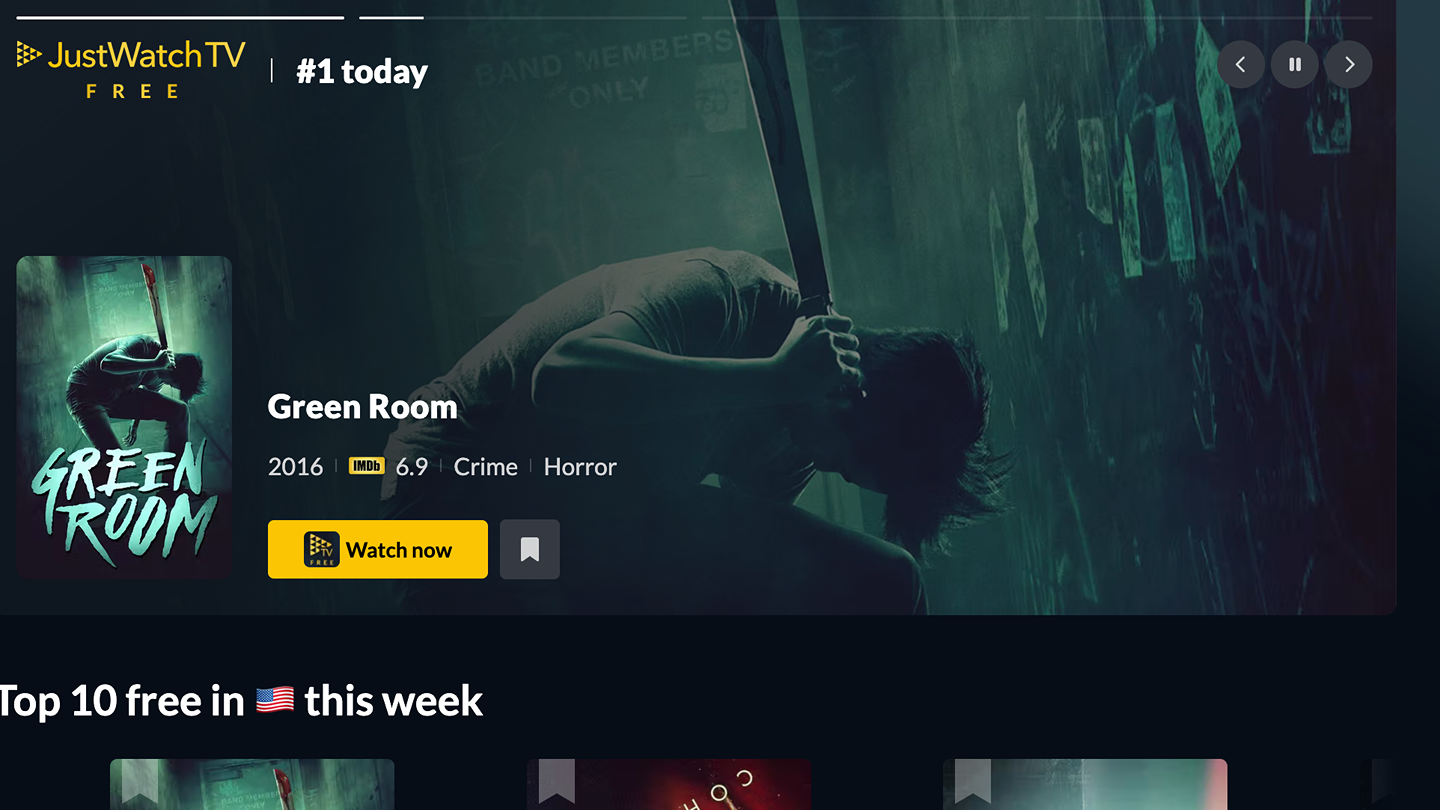
JustWatch to launch own streaming service
Reports say that JustWatch Group, which operates the world’s largest streaming guide, will launch its own streaming service, called JustWatch TV, in October.
.jpg)
CBC/Radio Canada picks Dalet
CBC/Radio-Canada has selected Dalet to modernise its news operations across Canada.

.jpg)
.jpg)