
The Motion Picture Association, Hollywood’s top lobbying group, has called on OpenAI to protect intellectual property, following the release of video generation model Sora 2 last week.
The Motion Picture Association (MPA) issued a strongly worded statement urging OpenAI to take “immediate and decisive action” in addressing copyright infringements arising from Sora 2.
Sora 2 allows users to create clips using copyrighted characters and puts the responsibility on copyright holders to object.
The MPA represents studio groups and streamers including Disney, Netflix, Paramount, Amazon MGM Studios, Sony, Universal, and Warner Bros. Discovery.
Charles Rivkin, Chairman and CEO of the MPA, said videos that infringe on its members’ films, shows, and characters have proliferated on OpenAI’s service and across social media since Sora 2’s release on September 30, 2025.
“While OpenAI clarified it will ‘soon’ offer rightsholders more control over character generation, they must acknowledge it remains their responsibility – not rightsholders' – to prevent infringement on the Sora 2 service. OpenAI needs to take immediate and decisive action to address this issue. Well-established copyright law safeguards the rights of creators and applies here.”

Last week, Sam Altman, CEO and Co-Founder of OpenAI, said that an update to Sora 2 will soon give copyright holders “more granular control over generation of characters.” However, he did not guarantee that copyrighted material would be removed from the platform.
In a blog post, Altman wrote: “We are hearing from a lot of rightsholders who are very excited for this new kind of ‘interactive fan fiction’ and think this new kind of engagement will accrue a lot of value to them, but want the ability to specify how their characters can be used (including not at all)”.
Altman also said that OpenAI was exploring how to make money from video generation. “People are generating much more than we expected per user, and a lot of videos are being generated for very small audiences. We are going to try sharing some of this revenue with rightsholders who want their characters generated by users. The exact model will take some trial and error to figure out, but we plan to start very soon. Our hope is that the new kind of engagement is even more valuable than the revenue share, but of course, we want both to be valuable.”
Netflix recently began testing new search technology powered by OpenAI, according to a Bloomberg report. Discover more here.
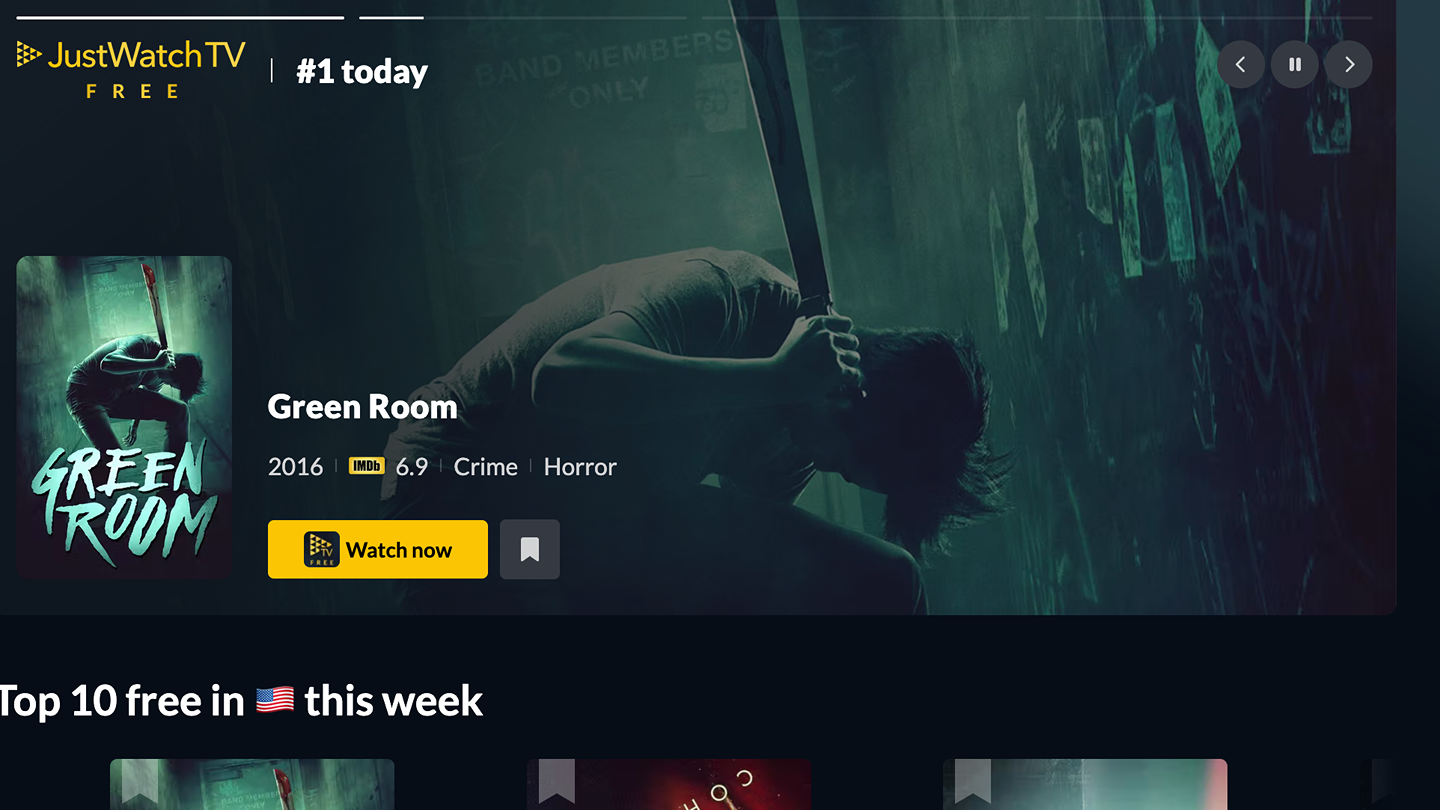
JustWatch to launch own streaming service
Reports say that JustWatch Group, which operates the world’s largest streaming guide, will launch its own streaming service, called JustWatch TV, in October.
.jpg)
CBC/Radio Canada picks Dalet
CBC/Radio-Canada has selected Dalet to modernise its news operations across Canada.
 (1).jpg)
Evergent wins API Gold from TM Forum
Evergent has achieved Gold status in TM Forum’s Open API Conformance Certification programme, advancing from the Silver status earned in the first quarter of 2026.
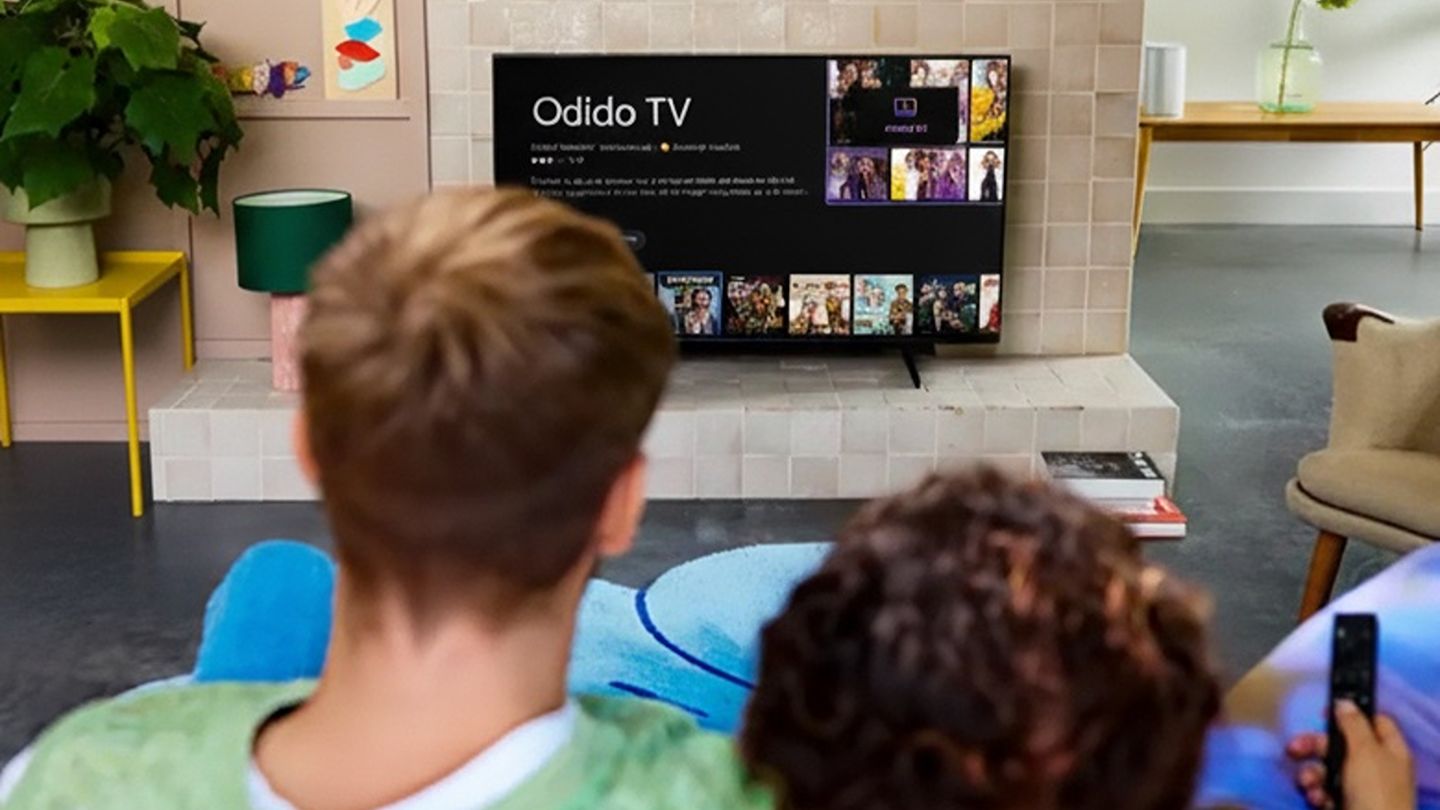
Dutch telco Odido picks Synamedia Go
Odido, a telecoms operator in the Netherlands, has selected Synamedia Go to support its TV streaming service.
Zixi extends integration with TAG Video Systems
Zixi and TAG Video Systems have announced an extended integration that enables Zixi’s live video delivery and orchestration software platform to leverage TAG’s content matching technology.
.jpg)
.jpg)
.jpg)