
Caretta Research report highlights the vital role of Livepeer’s distributed network in helping streaming services use real-time interactivity as a route to profitability.
Livepeer Studio announced the launch of a new free report by technology analyst Caretta Research, revealing how video companies can reduce the cost of interactive live streaming (ILS) by 74% through distributed streaming infrastructure.

The Interactive Live Streaming: The Evolution of the Streaming Experience report highlights the critical role of cost-effective real-time streaming in driving revenue and enabling engagement across various use cases, including direct-to-consumer (D2C) content creation, longtail sports, commerce, faith-based streaming, live betting, and gaming.
ILS is the natural evolution of streaming video, but traditional approaches and legacy technologies make it cost-prohibitive to all but the largest streaming providers. Advanced in-stream engagement features like co-viewing, audience chat, polling, gifting, betting, transactions, live pricing, and auctions are critical across use cases, including retail, wagering, sports, gaming, and education — driving revenue generation and viewer engagement. Enabling real-time delivery, ILS, and integrating real-time engagement tools is expensive, complex, and often requires custom development. Regular cloud video solutions and centralised streaming infrastructure fail to deliver the cost efficiency and flexibility emerging and established streamers need to deploy ILS as part of their strategy and grow new revenue.
Caretta Research’s report demonstrates how cost-effective real-time streaming opens up profitable ILS-driven business models to a wide range of streaming companies, enabling them to augment subscription or ad-based strategies that struggle to deliver sustainable revenue growth.
Ed Barton, Research Director at Caretta Research, said: “Real-time interactivity is fundamental for various streaming use cases that need to accelerate profitability and engagement. However, legacy technology and traditional video workflows constrain experimentation with and deployment of interactive live streaming. Distributed streaming delivers game-changing cost savings that make interactivity-driven revenue models possible for a new breed of streaming business.”
“The media industry is rapidly pushing for real-time interactivity, but costs and impractical solutions make it hard for growing streaming companies and content creators to engage with their audiences on a deeper level,” said Eric Tang, Founder of Livepeer Studio. “Livepeer Studio makes high-quality interactive live-streaming achievable to any content owner or entertainment brand, sidestepping the eye-watering costs of traditional cloud providers while making it easier than ever to build, engage, and monetize rapidly growing streaming communities.”
“Interactivity is at the core of our streaming business model. Creating and growing our hugely successful show wouldn’t be feasible without Livepeer Studio’s interactive live streaming features and cost benefits,” said Bill Ottman, Co-Founder of live reality TV company Fishtank. “Livepeer Studio enables us to drastically reduce our streaming costs while focusing on highly creative live audience engagement that retains audiences and generates significant profits. We’ve just surpassed 1 million viewers and $3m in revenues by opting for a distributed streaming approach that supports our ambition in real-time interactivity.”
The report shows that Livepeer Studio’s distributed network architecture enables cost savings of up to 74% to deliver ILS compared with several established streaming solution vendors reliant on major commercial cloud providers. Supporting both WebRTC and HLS protocols, Livepeer Studio delivers low-latency live streaming with real-time interactivity, advanced viewer engagement, and performance analytics while ensuring high reliability and video quality.
The Caretta Research report, Interactive Live Streaming: The Evolution of the Streaming Experience, is available to download at IBC365.
You are not signed in
Only registered users can comment on this article.

Netflix pledges to “take slate to next level” in wake of programming shake-up
Netflix Co-CEO Ted Sarandos has addressed the raft of job cuts the streamer made this month, saying the company plans to focus on its core business: producing quality TV shows and films.
.jpg)
EBU and Nvidia expand sovereign AI partnership
The European Broadcasting Union (EBU) and Nvidia are expanding the sovereign standards partnership they announced last year for European public service media.

TV Festival unveils dates, venue, and advisory chair for first Manchester edition
The TV Festival, formerly the Edinburgh TV Festival, has revealed the first details of its inaugural Manchester event.
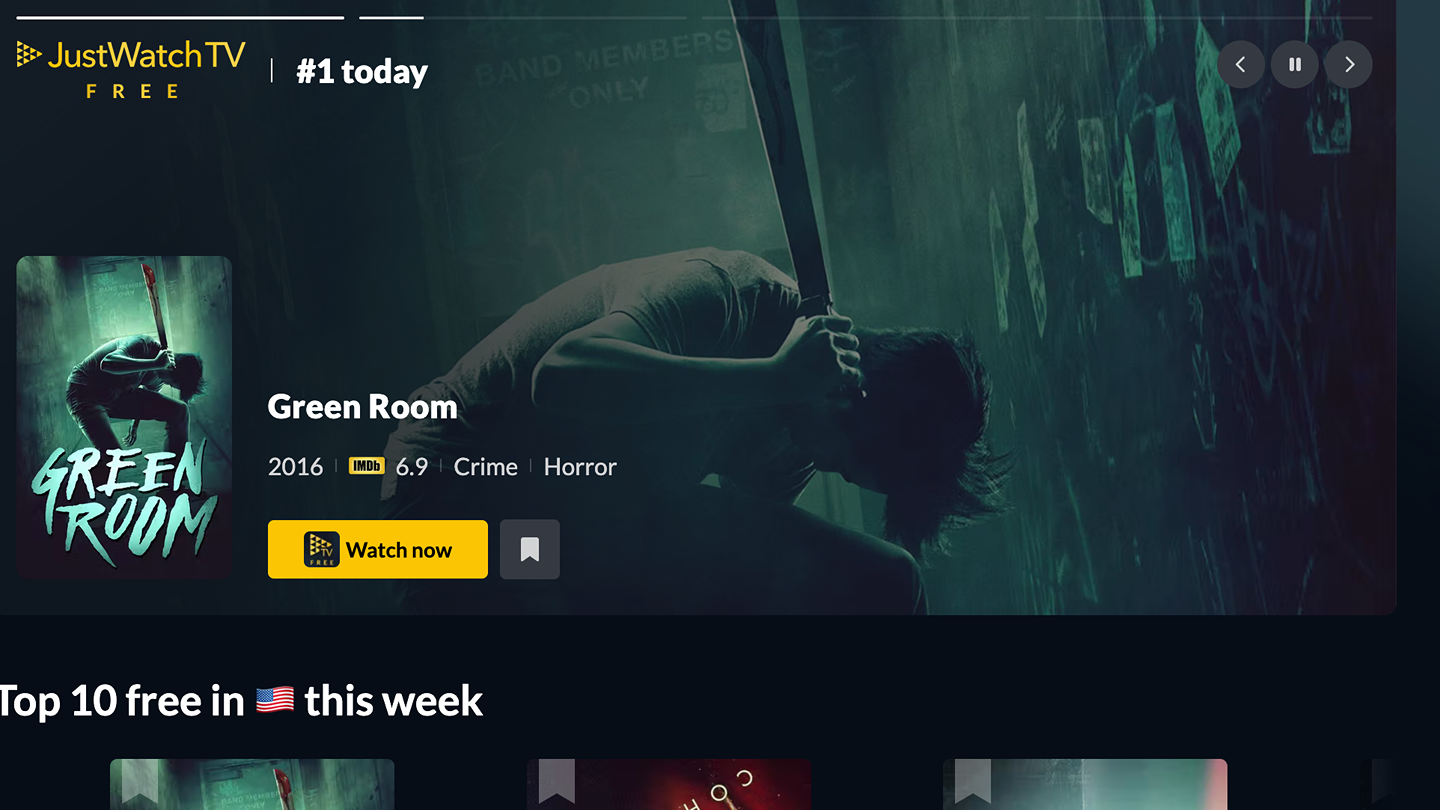
JustWatch to launch own streaming service
Reports say that JustWatch Group, which operates the world’s largest streaming guide, will launch its own streaming service, called JustWatch TV, in October.
.jpg)
CBC/Radio Canada picks Dalet
CBC/Radio-Canada has selected Dalet to modernise its news operations across Canada.
.jpg)