
The Film and TV Charity’s latest report found that 56% say working in the industry negatively affects their mental health, and only 13% believe the industry is a mentally healthy place to work.
Nevertheless, this 56% figure is down from 63% since 2024.
Likewise, experiences of bullying, harassment, and discrimination fell from 53% in 2021 to 41% in 2024 and 37% in 2026. According to the researchers, the findings show how greater focus, clearer expectations, and stronger accountability are improving people’s experiences.
In fact, the rise in people rating the industry as a mentally healthy place to work rose from 9% in 2019 to 13% in 2026 – this represents up to 12,500 people enjoying a more positive experience in the industry.
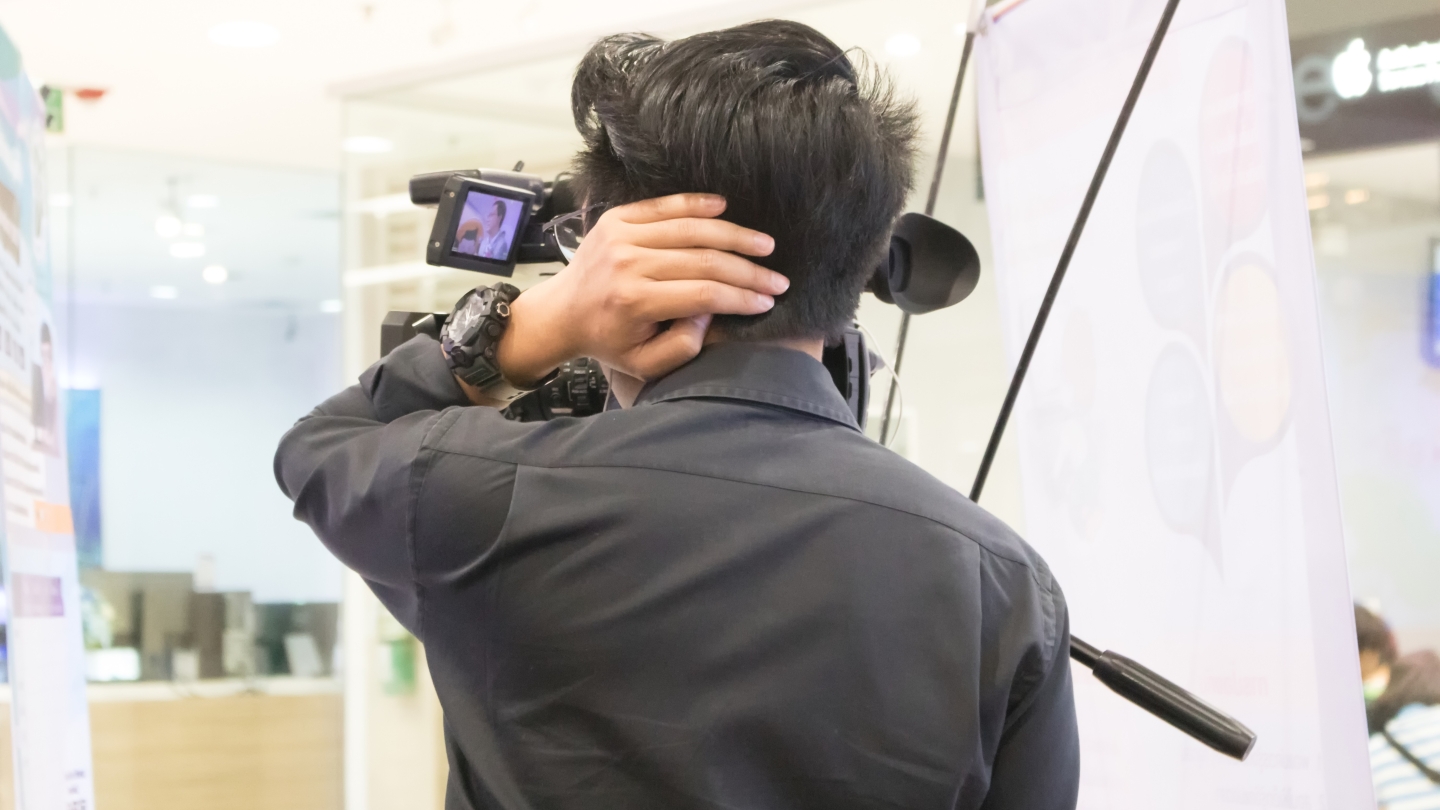
bunyiam
The 2026 Looking Glass report also found that self-ratings of poor or very poor mental health have fallen from 35% to 31%, and levels of loneliness have decreased from 30% to 25%. Further, suicidal ideation over the preceding 12 months has fallen from 30% to 23%.
However, progress has been uneven across the industry. Poor mental health among freelancers has fallen from 38% to 31%, while the gap with full-time employees has narrowed, with 29% of full-time staff reporting poor mental health in 2026 compared with 25% in 2024.
Additionally, despite encouraging movement in some areas, 62% of workers have considered leaving the industry because of their mental health.
In response to these findings, the Film and TV Charity is calling on the industry to build on the progress already achieved and bring the same collective focus it gave anti-bullying initiatives.
The Principles for Mentally Healthy Productions, supported by soon-to-be-released online tools, will also reportedly provide a shared framework for healthier working practices.
Seven years and five surveys on from its first Looking Glass research in 2019, the charity continues to provide free, immediate mental health, financial, and workplace support to people behind the scenes, including its 24/7 Support Line, counselling, Bullying Advice Service, and Anti-Racism Wellbeing Service.
Marcus Ryder, CEO, Film and TV Charity, said: “The evidence from the Looking Glass survey gives us reason for hope, but not for complacency. Our data clearly shows that collective action can drive real progress, but it also shows that too many people working behind the scenes are still struggling with the pressures our industry is too often placing on their mental health.
“Film and TV is an interconnected industry, where decisions made in one part can affect people throughout it. That interconnectedness is one of our strengths, but it can also make it too easy for responsibility for change to fall between the gaps. If we want to create a mentally healthy industry, responsibility must be shared, and everyone has a part to play.
“The fact that a single percentage-point shift can represent up to 2,500 people experiencing the industry differently shows why every improvement matters. The challenge now is to build on that progress, applying the same collective focus to other issues affecting mental health and wellbeing, embracing the Principles for Mentally Healthy Productions and turning collective action into lasting change.”
The UK television industry recently backed new guidelines to minimise out-of-hours contact to help improve work-life balance in the sector. Discover more here.
 (1).jpg)
Google bans Android TV streaming partner Videostrong
Google has banned a China-based maker of Android TV streaming boxes that built a backdoor into the firmware and sold access to the infected devices to criminals.
 (1).jpg)
BBC’s Director of R&D departs
Jatin Aythora, Director, Research and Development, BBC, is leaving his role after working at the UK broadcaster for 11 years.
 (1).jpg)
Channel 4 cancels Married at First Sight UK after rape claims
Channel 4 has axed its hit reality series Married at First Sight UK (MAFS UK), following an external review of the show’s contributor welfare.

AVIXA announces new CEO
AVIXA (Audiovisual and Integrated Experience Association) has named Marco Pardi as its new CEO, succeeding David Labuskes who retires at the end of this year.
.png)
Netflix launches AI-powered discovery trial
Netflix has introduced AI Discover, a tab on its TV app that gives a small group of members access to new discovery experiences.
 (2).jpg)
.jpg)