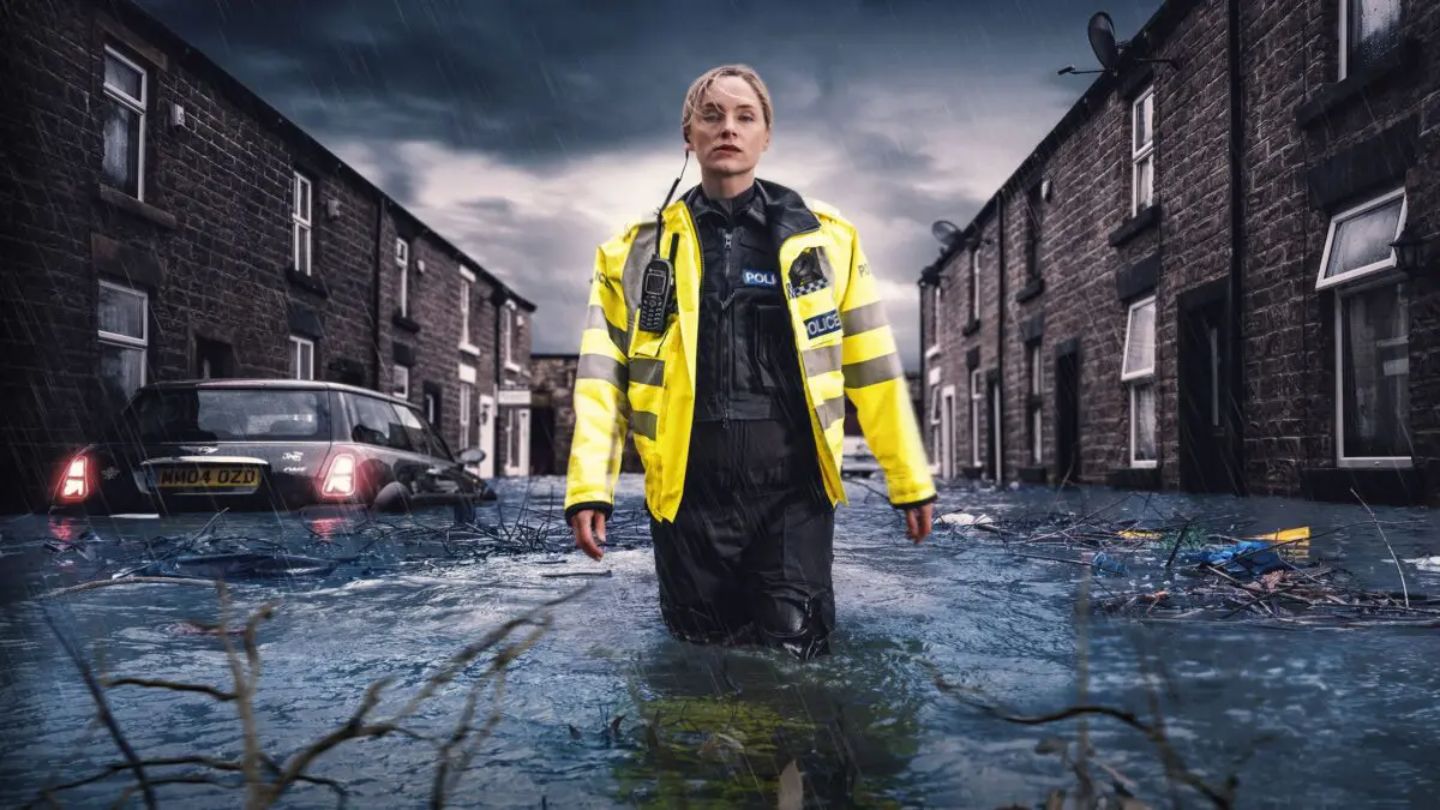

The TV and video streaming industry accounts for 4% of total global emissions – double that of the aviation industry – according to research by Futuresource and InterDigital.
The report, titled “Spotlight on Sustainability: Towards a greener TV and video value chain,” analyses the carbon footprint created by the video entertainment industry, from the point of production to delivery, and consumption.
It says one of the biggest challenges for the industry comes from Scope 3 emissions, which arise from indirect sources such as travel, accommodation, catering, and post-production.
Video as a proportion of all internet traffic continues to rise, accounting for an estimated 80% of CO2 output from data centres.
In 2024, an estimated 54 MtCO2e of emissions were generated from TVs, roughly equivalent to the annual greenhouse gas emissions of 11.7 million passenger vehicles.
However, the report says strides are being made in various areas: IP-based remote virtual production, for example, could lower the industry's carbon footprint by 6x less CO2 than on-site methods.
The report also said that TVs remain energy-intensive devices, but investments in AI and brightness-adjustment technologies mean that energy consumption of TVs are set to decline by 15% by 2028.
It said that solutions like Pixel Value Reduction (PVR) can reap significant energy savings, especially around significant TV events such as the Olympics.
“It is the responsibility of the entire industry to make changes that will improve the sustainability of the TV and video sector,” said Lionel Oisel, InterDigital’s Head of Video Labs. “While change is being made, more can and should be done. Technologies like PVR have the potential to make significant energy savings, even when applied to special events like the Olympics. If this was applied universally, the benefits could be huge, and a game changer for the industry.”
You are not signed in
Only registered users can comment on this article.
 (1).jpeg)
150 students take over On Air 2026’s five-channel broadcast
On Air 2026 will see 150 students take charge of the Media Talent Manifesto (MTM) broadcast’s 24-hour culture, news, sport, film, and kids channels on 22–23 October 2026.
 (1).jpg)
BBC Three and BBC Scotland linear channels to close
The BBC has confirmed the closure of BBC Three, BBC Scotland, and BBC Radio 4 Extra linear broadcast services in spring 2027.
.jpg)
EBU launches group to create shared live production tools
The European Broadcasting Union (EBU) has launched an open live production cloud group for its public service broadcasting members to build shared live production capabilities.
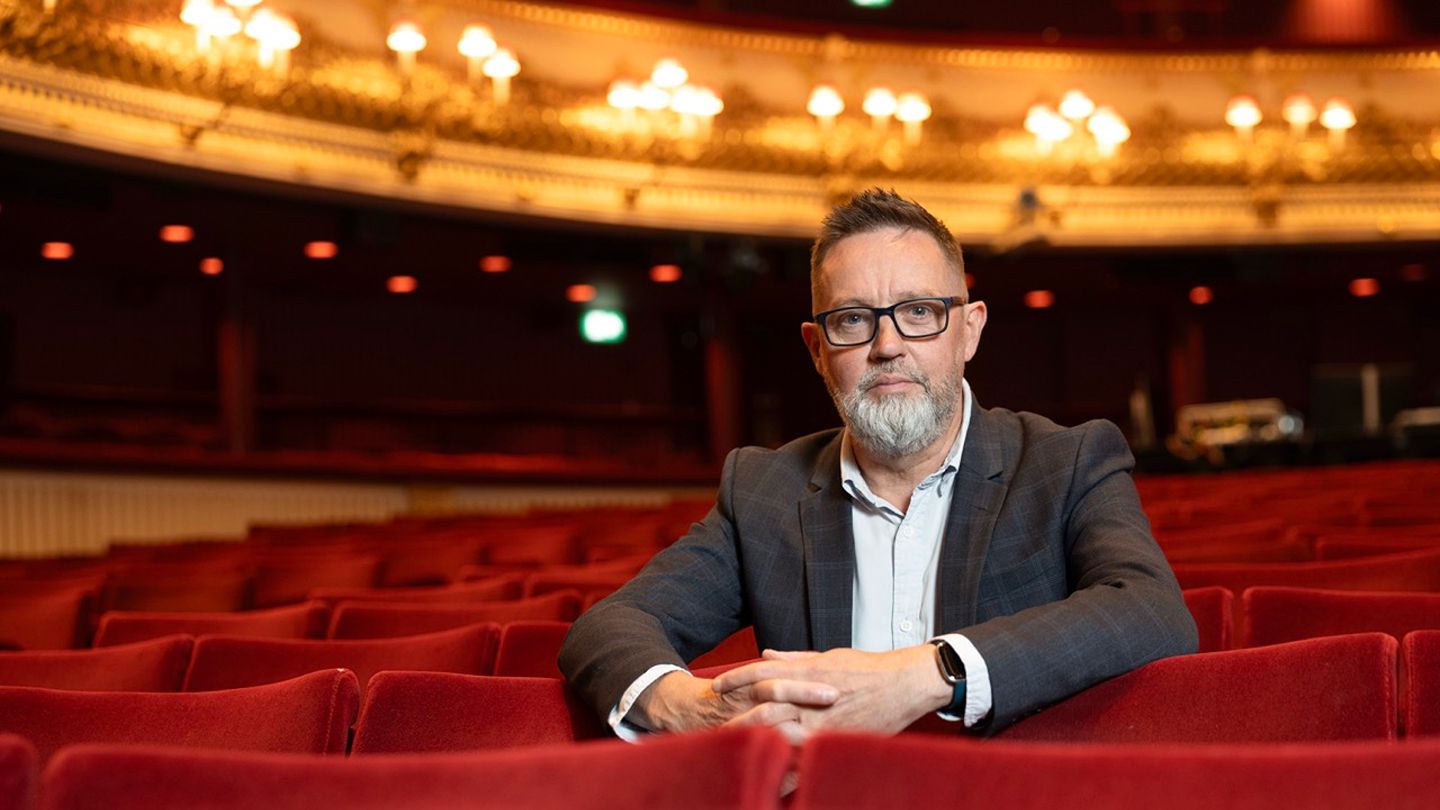
Noel McClean appointed Head, Bectu
Bectu has appointed Noel McClean to head the union for broadcasting, live events, and theatres.
 (1).jpg)
BBC licence fee could extend to streaming services
The BBC licence fee could be extended to online streaming services such as YouTube, Netflix, Amazon, and Disney+, according to reports.
.jpg)
.jpg)
.png)