The Walt Disney Company lost approximately $110m in operating income from the temporary suspension of its YouTube TV carriage deal, according to its latest earnings report.
At the close of 2025, a 15-day blackout removed ABC, ESPN, and FX from the YouTube TV streaming platform. As a result, an estimated 10 million YouTube TV subscribers lost access to Disney-owned channels.
Sports and political programming were among the primary casualties of the dispute, as YouTube TV users were unable to watch American football games or US Election Day coverage on 4 November 2025.
At the time, a Disney spokesperson said: “Unfortunately, Google’s YouTube TV has chosen to deny [its] subscribers the content they value most by refusing to pay fair rates for our channels, including ESPN and AB. With a $3tn market cap, Google is using its market dominance to eliminate competition and undercut the industry-standard terms we’ve successfully negotiated with every other distributor.”
On the other hand, YouTube said Disney’s proposed terms and blackout were “a negotiating tactic” used to force a raise in prices. Indeed, some commentators have theorised that the YouTube TV blackout was a strategic move to encourage subscribers to sign up for ESPN Unlimited, the direct-to-consumer streaming service that was launched in August 2025 to bring together the full suite of ESPN services.
Nevertheless, the companies finally came to an agreement in mid-November 2025, with the creation of a multi-year distribution agreement, which restored all Disney networks to YouTube TV customers.
To announce the truce, Alan Bergman and Dana Walden, the two Co-Chairmen of Disney Entertainment, released a joint statement with Jimmy Pitaro, Chairman of ESPN, which said the deal “recognises the tremendous value of Disney’s programming and provides YouTube TV subscribers with more flexibility and choice. We are pleased that our networks have been restored in time for fans to enjoy the many great programming options this weekend, including college football.”
Disney’s financial report today has revealed that this $110m squabble became one of the most significant singular blows to the company’s segment earnings in the first quarter (Q1) of fiscal 2026. Overall, Disney’s sports segment had an operating income (OI) of $191m in Q1, which represented a decrease of $56m compared to Q1 fiscal 2025, as advertising revenue growth of 10% was more than offset by higher programming and production costs and a decrease in subscription and affiliate fees.
In the entertainment sphere, Disney’s revenue increased by 7%, compared to the same period in the previous year. OI declined by $0.6bn to $1.1bn, meaning the entertainment segment had an operating margin of 9.5%. This is reportedly because SVOD revenue increased 11% compared to the same period of the previous year. Additionally, SVOD operating income increased $189m to $450m, resulting in an SVOD operating margin of 8.4%. Disney also pointed to an increase in content sales revenue due to higher theatrical distribution revenue. The latest quarter reflected the release of Zootopia 2, Avatar: Fire and Ash, Predator: Badlands, and Tron: Ares, while the prior year's quarter reflected the release of Moana 2 and Mufasa: The Lion King.
Despite this turmoil, Robert Iger, CEO of The Walt Disney Company, preferred to call attention to these latter successes when disclosing these financial results. He said: “We are pleased with the start to our fiscal year, and our achievements reflect the tremendous progress we’ve made. We delivered a strong box office performance in calendar year 2025 with billion-dollar hits like Zootopia 2 and Avatar: Fire and Ash, franchises that generate value across many of our businesses. As we continue to manage our company for the future, I am incredibly proud of all that we’ve accomplished over the past three years.”
Disney recently announced that it is to offer short-form, vertical video content on its Disney+ streaming service in the US later in 2026. Discover more here.
Netflix pledges to “take slate to next level” in wake of programming shake-up
Netflix Co-CEO Ted Sarandos has addressed the raft of job cuts the streamer made this month, saying the company plans to focus on its core business: producing quality TV shows and films.
.jpg)
EBU and Nvidia expand sovereign AI partnership
The European Broadcasting Union (EBU) and Nvidia are expanding the sovereign standards partnership they announced last year for European public service media.

TV Festival unveils dates, venue, and advisory chair for first Manchester edition
The TV Festival, formerly the Edinburgh TV Festival, has revealed the first details of its inaugural Manchester event.
JustWatch to launch own streaming service
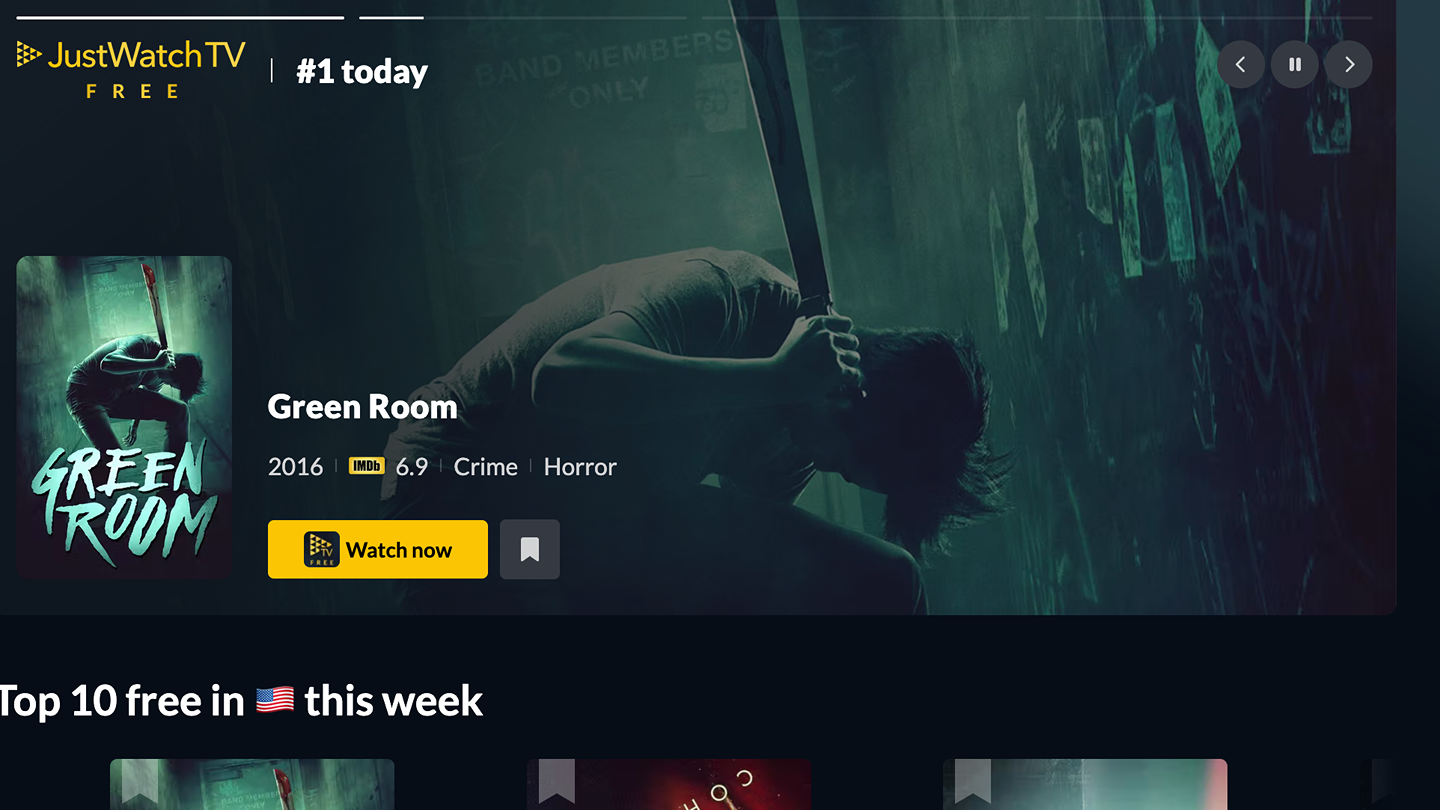
Reports say that JustWatch Group, which operates the world’s largest streaming guide, will launch its own streaming service, called JustWatch TV, in October.
.jpg)
CBC/Radio Canada picks Dalet
CBC/Radio-Canada has selected Dalet to modernise its news operations across Canada.
 (1).jpg)
.jpg)