
Netflix, Amazon, and Disney+ have started to rein in subscription price increases as consumers reach limits of willingness to pay, according to research from Ampere Analysis.
Average price increases across the three largest global subscription streamers have fallen from 24% of the previous subscription price in 2023/24 to 14% in 2025/26.
In dollar terms, average increases have declined from $1.67 to $1.54 over the same period, with increases averaging $1.62, or 17%, in 2024/25.
.jpg)
As streaming markets mature and become increasingly competitive and saturated, Ampere said the trend could indicate that streamers are reaching the limits of consumers’ willingness to pay, leaving less headroom for larger price increases in the future.
Ad-free tiers have seen larger price increases over the past three years, averaging $1.62. In comparison, ad-supported tiers have increased by an average of $1.21.
As advertising becomes an increasingly important source of streaming revenue, Ampere said platforms have an incentive to keep ad-supported tiers attractively priced.
Average price increases over the past three years vary across the three services, ranging from $1.73/16% for Netflix to $1.53/17% for Disney+ and $1.47/30% for Amazon.
The frequency of price increases also differs. Netflix’s price increases have remained broadly stable. Disney+ has seen the clearest shift towards more modest increases, down from an average increase of $1.86/31% in 2023/24 to $1.45/13% in 2025/26.
Amazon has made the fewest increases over the past three years, likely reflecting the broader role of the Prime subscription within Amazon’s retail business.
Western Europe has seen the largest average price increases over the past three years at $1.86/16%, ahead of North America at $1.70/15% and Central and Eastern Europe at $1.68/18%. Most regional markets are moving in the same direction, with average price increases shrinking over time.
Jaanika Juntson, Senior Research Manager at Ampere Analysis, stated: “The decline in price increases comes as streamers diversify how they monetise their audiences. Advertising is an increasingly important revenue stream, reducing reliance on subscription pricing alone, while password-sharing crackdowns allow streamers to generate more value from existing audiences through extra member slots. As streaming businesses mature, revenue growth is becoming less reliant on price increases, while intense competition is also making streamers increasingly mindful of how they are positioned against rivals.”
Western Europe's total streaming revenue is set to rise from $53.3bn in 2026 to $74.9bn by 2031, up 41%, according to 3Vision's recent Video Markets Tracker forecasts. Discover more here.
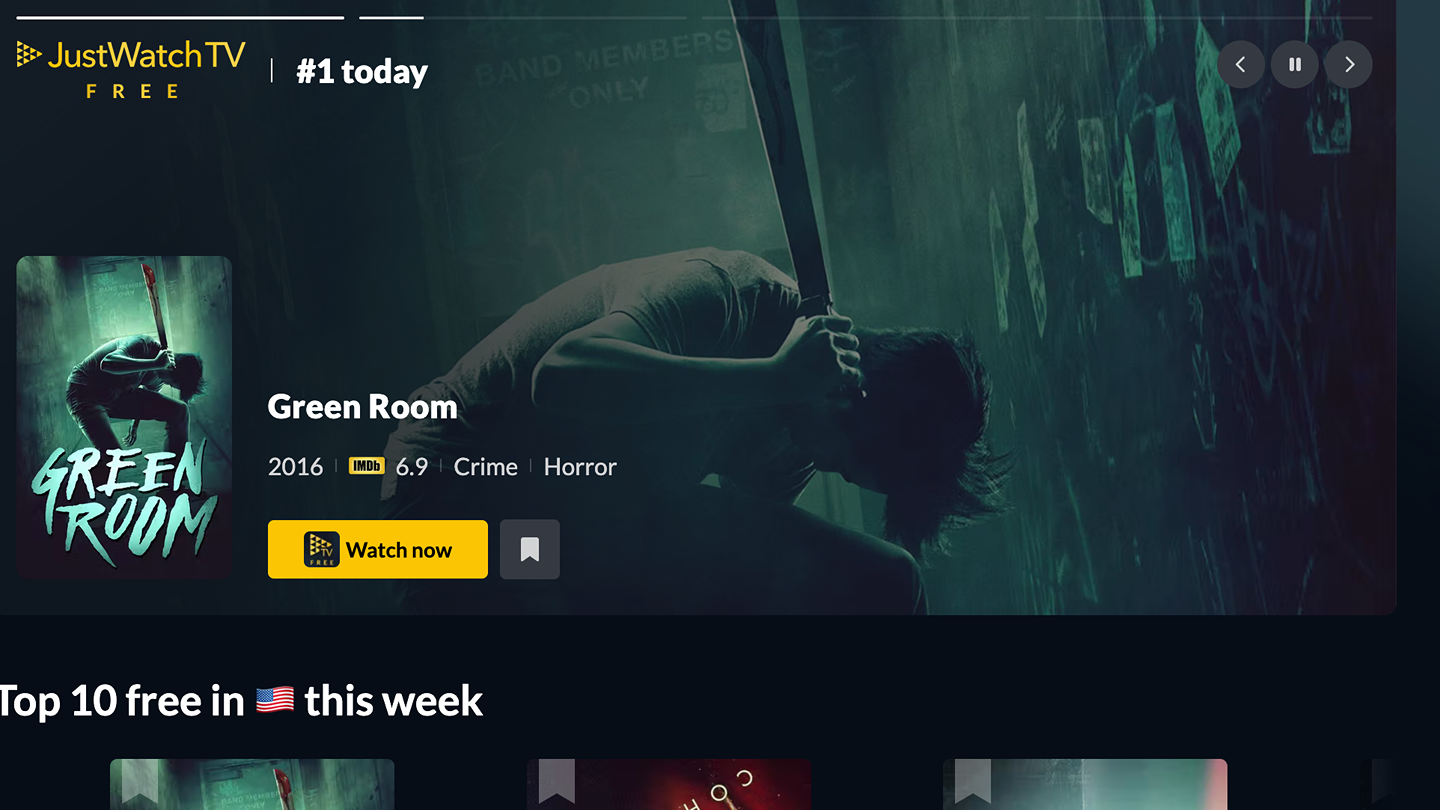
JustWatch to launch own streaming service
Reports say that JustWatch Group, which operates the world’s largest streaming guide, will launch its own streaming service, called JustWatch TV, in October.
.jpg)
CBC/Radio Canada picks Dalet
CBC/Radio-Canada has selected Dalet to modernise its news operations across Canada.
 (1).jpg)
Evergent wins API Gold from TM Forum
Evergent has achieved Gold status in TM Forum’s Open API Conformance Certification programme, advancing from the Silver status earned in the first quarter of 2026.

Dutch telco Odido picks Synamedia Go
Odido, a telecoms operator in the Netherlands, has selected Synamedia Go to support its TV streaming service.
Zixi extends integration with TAG Video Systems
Zixi and TAG Video Systems have announced an extended integration that enables Zixi’s live video delivery and orchestration software platform to leverage TAG’s content matching technology.
 (1).jpg)

.jpg)