The BBC is launching new creative diversity commitments to increase diversity and inclusion within its programme making teams.
This includes raising representation targets for TV production teams across ethnicity, disability, and socio-economic diversity from 20% to 25% across all production roles.

The BBC will also invest a minimum of £80m annually in content that meets the BBC’s creative diversity criteria for TV and Radio. This investment will focus on aligning diverse on-air storytelling with stronger off-air representation in senior production roles and leadership within production companies.
The new commitments follow a review by the Sir Lenny Henry Centre for Media Diversity (LHC) of the BBC’s original creative diversity commitments. The original commitments saw £243m invested over the last three years – more than double the original £112m commitment from April 2021 to March 2024 – to drive diversity and inclusion both on and off the air.
In addition, the BBC has published new Inclusive Production Principles to foster an inclusive culture on productions.
These include productions providing specialist hair and makeup stylists to work with afro textured hair and a variety of skin tones. They will also ensure the industry-wide TV Access Project guidelines are embedded, including access coordinators, accessibility of set locations and post-production houses for all productions.
Under the new commitments, productions will be asked to outline their plans to deliver the 25% target and how they will apply the Inclusive Production Principles as part of the commissioning process.
Charlotte Moore, BBC Chief Content Officer, said: “We are committed to backing British storytelling and I recognise the important role diverse-led indies play in telling these authentic stories. By increasing our investment in diverse content and enhancing our off-screen diversity targets, we aim to create a more inclusive environment that authentically represents and resonates with all audiences.”
Jessica Schibli, BBC Head of Creative Diversity, said: “Our previous commitments set an industry benchmark. Building on the insights gained over the past three years, our new creative diversity commitments go further to deepen our dedication to making meaningful and lasting changes both on and off air, particularly in senior roles off-air which influence the creative output.”
You are not signed in
Only registered users can comment on this article.
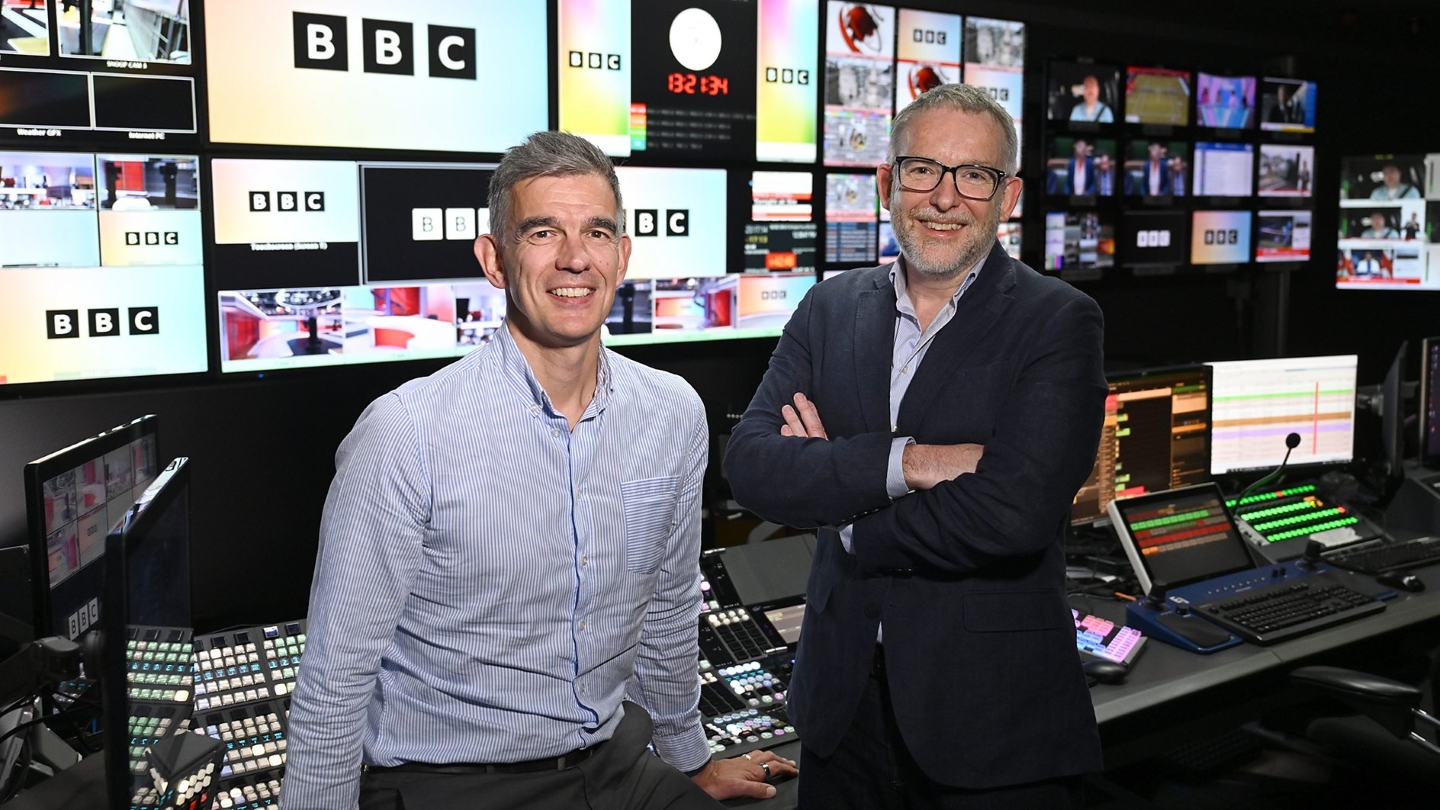
BBC names Rhodri Talfan Davies as Deputy Director-General
Rhodri Talfan Davies has been appointed as the BBC’s Deputy Director-General.
Netflix forecast to reach 400 million subscribers by 2031
Netflix is forecast to reach nearly 400 million subscribers worldwide by the end of 2031, reinforcing its position as the world’s leading subscription streaming platform despite growing consolidation across the industry.
Early Freeview switch-off would be “unprecedented gamble” for UK TV
Switching off Freeview in the 2030s would be far more complex, costly, and risky than the UK’s digital TV switchover, according to a report by Christy Swords, the former Director of Change at ITV Broadcasting, who was involved in the original process.
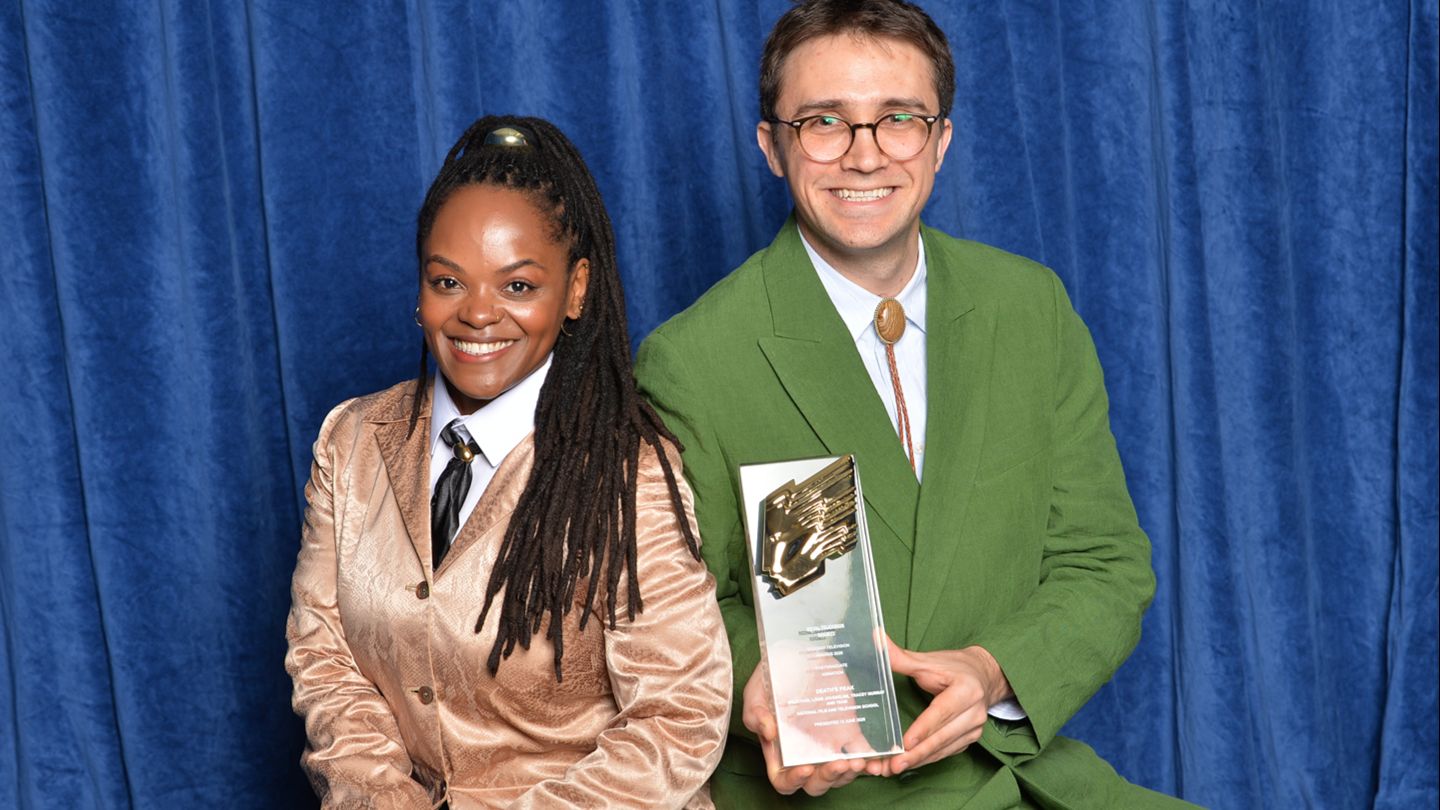
RTS names Chair of Student Television Awards at annual ceremony
At the annual awards ceremony, the Royal Television Society (RTS) welcomed Rhuanedd Richards as Chair of the Student Television Awards.
.jpg)
Sony invests seven figures in AI copyright protection startup
The Sony Innovation Fund has invested in Midnight Labs to protect IP from mass piracy, deepfakes, and AI-generated infringement in the US and Japanese markets.