To avoid decline, European media companies must align with global streaming and social platforms.
The entertainment industry is undergoing a global shift towards streaming, social distribution, scale, and AI, creating both growth opportunities and competitive risks for Europe.
New independent research from Ampere Analysis shows that Europe has the opportunity to succeed in a very dynamic and competitive market, but risks losing position and market share if it doesn’t move quickly enough to leverage growth opportunities in these growing segments.
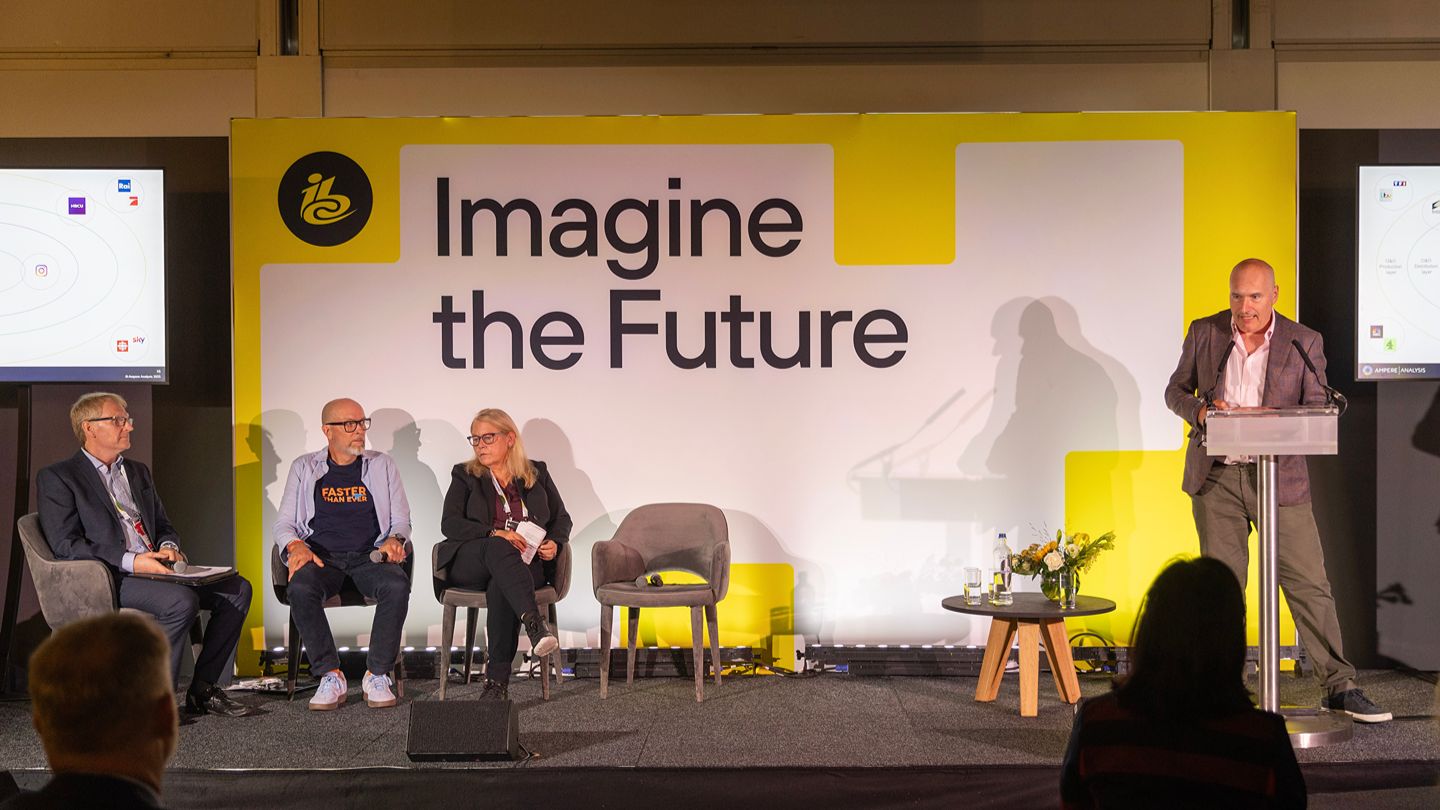
Europe accounts for a quarter of all revenue from all windows of exploitation of the entertainment industry worldwide, but it has now hit an inflection point according to Guy Bisson, Executive Director, Co-Founder, Ampere Analysis.
“The share of legacy media in this revenue pot is shrinking and streaming is growing,” he explained. “At the same time, the audience is shifting rapidly. The entire industry is converging on global streaming technology as the way to reach the end consumer, so these two related concepts are shifting the whole market.”
Anyone outside that vertical structure of controlling the content, controlling the distribution, and reaching the end viewer is in play for further merger and acquisition activity in the immediate future, according to Bisson. “Single geography or limited geography broadcasters, pay TV platforms, production entities that are not integrated with some form of streaming distribution. Sony and NBCU would be two examples.”
Social players themselves, who want to bring up the value of their advertising, are also increasingly interested in long-form professional content. “Are they going to be the next integrators and start buying back down the chain?” asked Bisson.
The content market hit the “post-peak TV” era in 2022. Western Europe is a major producer of original first-run content, thanks to unscripted TV, but has taken a hit in the last 18 months with a swing-back in favour of North America and a big shift to Asia.
Globally, the volume of original production is down 22%, Europe is faring a little better, but this means content spend has stopped growing, according to Bisson. “One segment that is still growing in terms of what it's spending on content is streaming, unsurprisingly. Global streamers are now driving the economics of TV production.”
To survive, legacy broadcasters in the European market whose audience is going elsewhere and whose ad revenue and other income is down and that now have money to make productions “should be seeking deals with the likes of Netflix, Amazon, Disney+, or YouTube and even Spotify,” said Bisson.
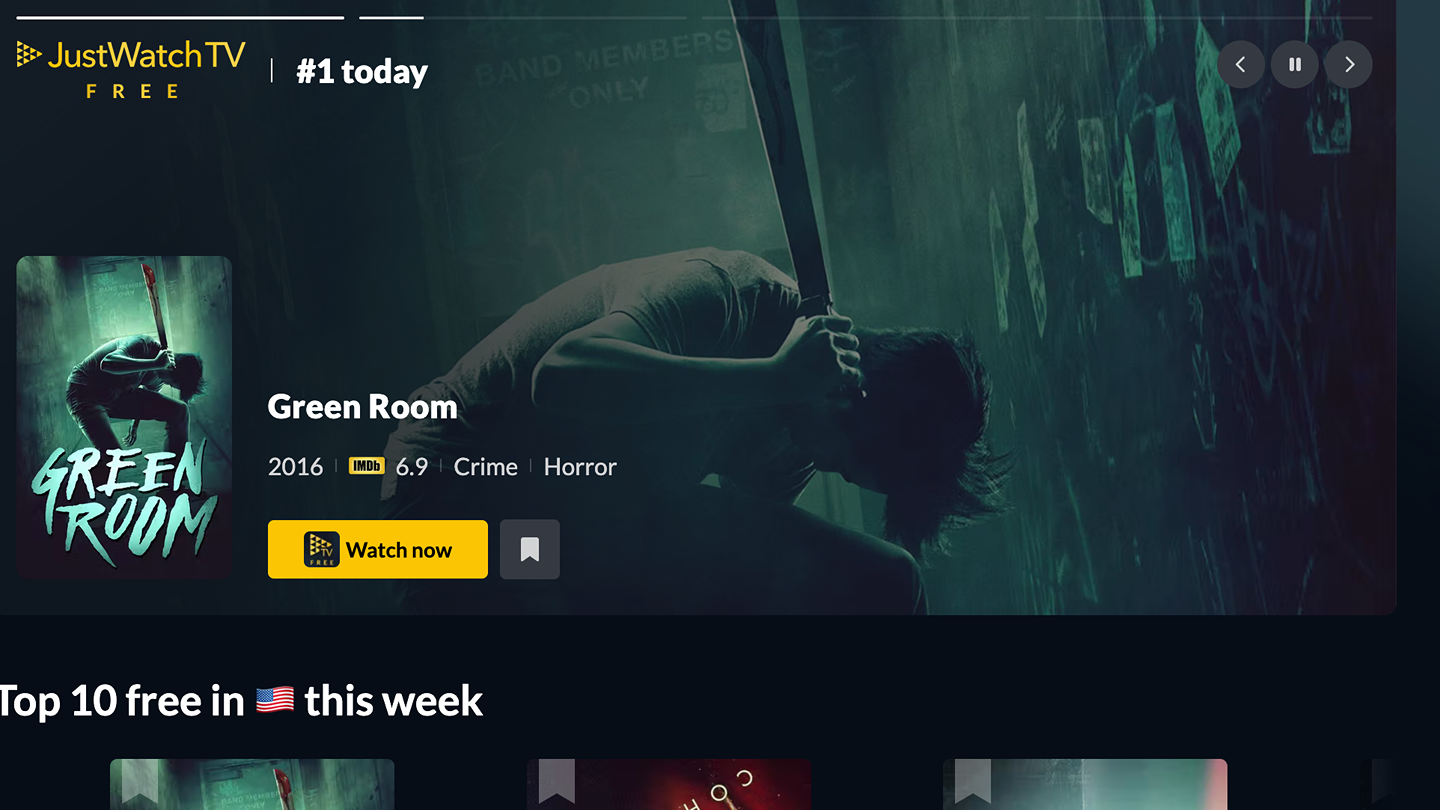
JustWatch to launch own streaming service
Reports say that JustWatch Group, which operates the world’s largest streaming guide, will launch its own streaming service, called JustWatch TV, in October.
.jpg)
CBC/Radio Canada picks Dalet
CBC/Radio-Canada has selected Dalet to modernise its news operations across Canada.
 (1).jpg)
Evergent wins API Gold from TM Forum
Evergent has achieved Gold status in TM Forum’s Open API Conformance Certification programme, advancing from the Silver status earned in the first quarter of 2026.
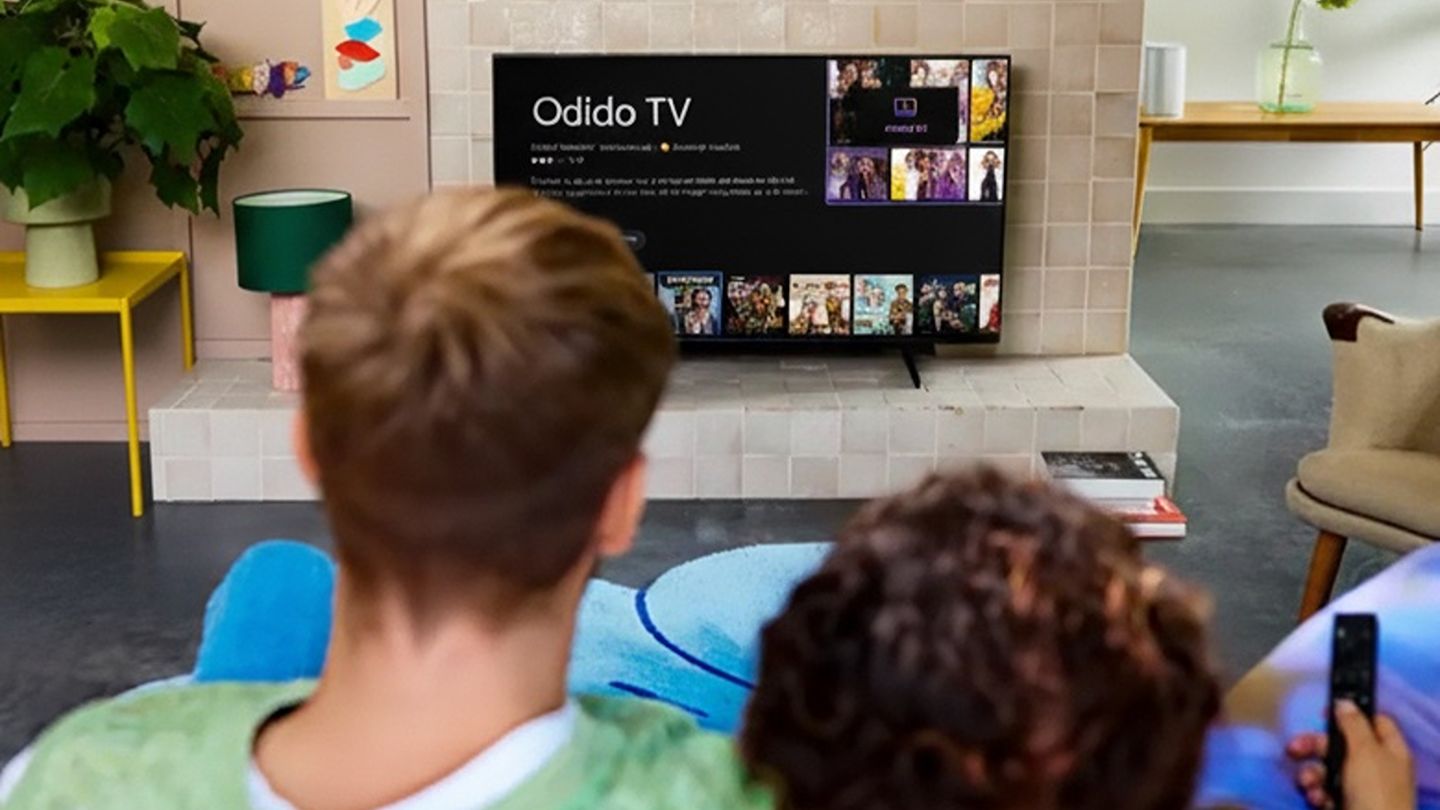
Dutch telco Odido picks Synamedia Go
Odido, a telecoms operator in the Netherlands, has selected Synamedia Go to support its TV streaming service.
Zixi extends integration with TAG Video Systems
Zixi and TAG Video Systems have announced an extended integration that enables Zixi’s live video delivery and orchestration software platform to leverage TAG’s content matching technology.
.jpg)