
Remote content delivery specialist Swift has partnered with video streaming infrastructure provider Wowza to bring what they describe as high-quality streaming to the most bandwidth-constrained and infrastructure-limited environments on Earth.
Swift is now able to provide content delivery to places such as Australian mining camps and offshore oil rigs to senior care homes and defence installations by using the Wowza streaming platform. The company has developed a “highly resilient, edge-powered architecture that enables live and on-demand video streaming, even in places with less than 1 Mbps of bandwidth and no on-site IT support”.
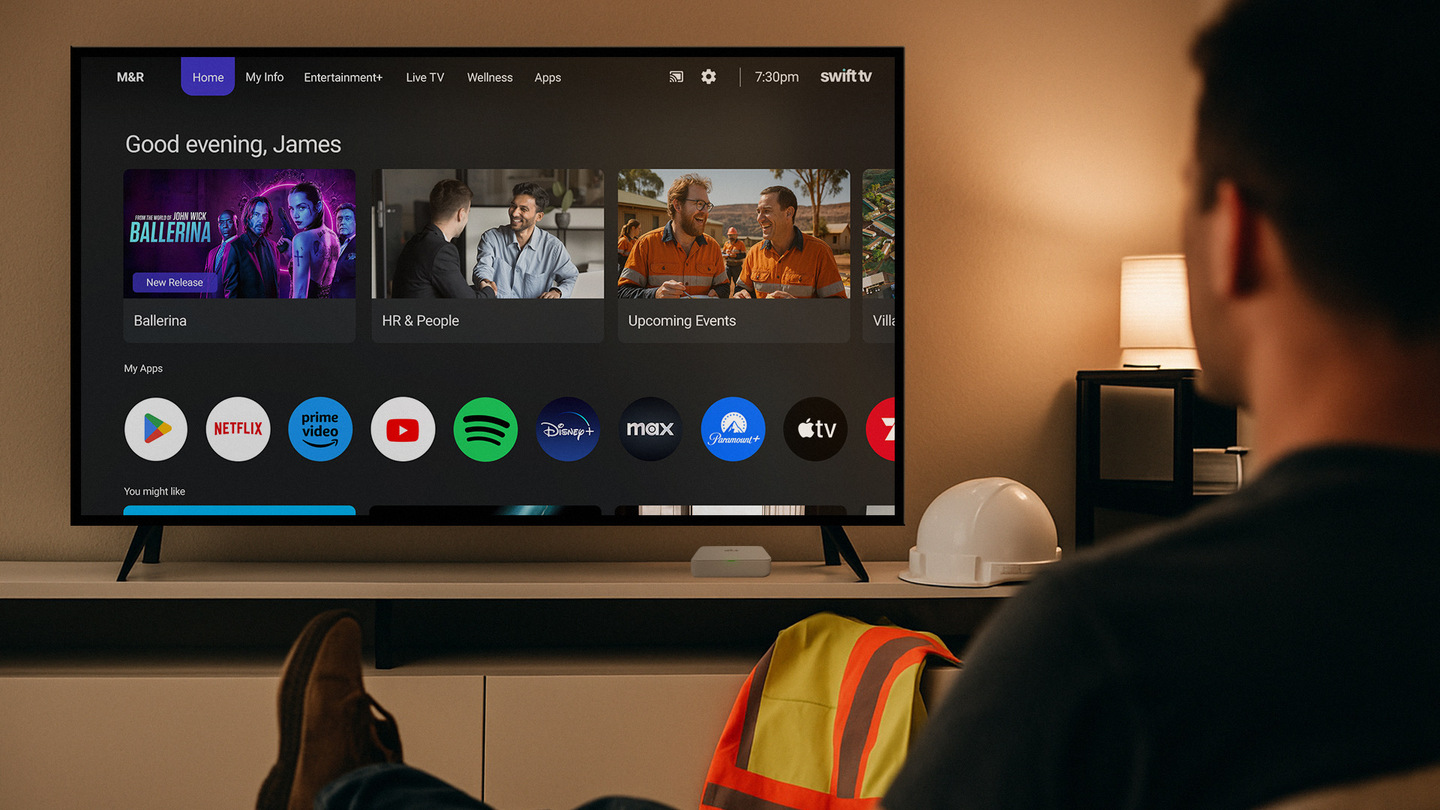
Swift deployed over 150 localised Wowza streaming engine instances directly on-site, creating a distributed, edge-based CDN across Australia and beyond. This enables predictive content caching, adaptive bitrate delivery, and DVB-T integration.
Swift has also partnered with Beyond Blue to provide integrated mental health resources directly to remote users, supporting wellbeing in high-stress environments.
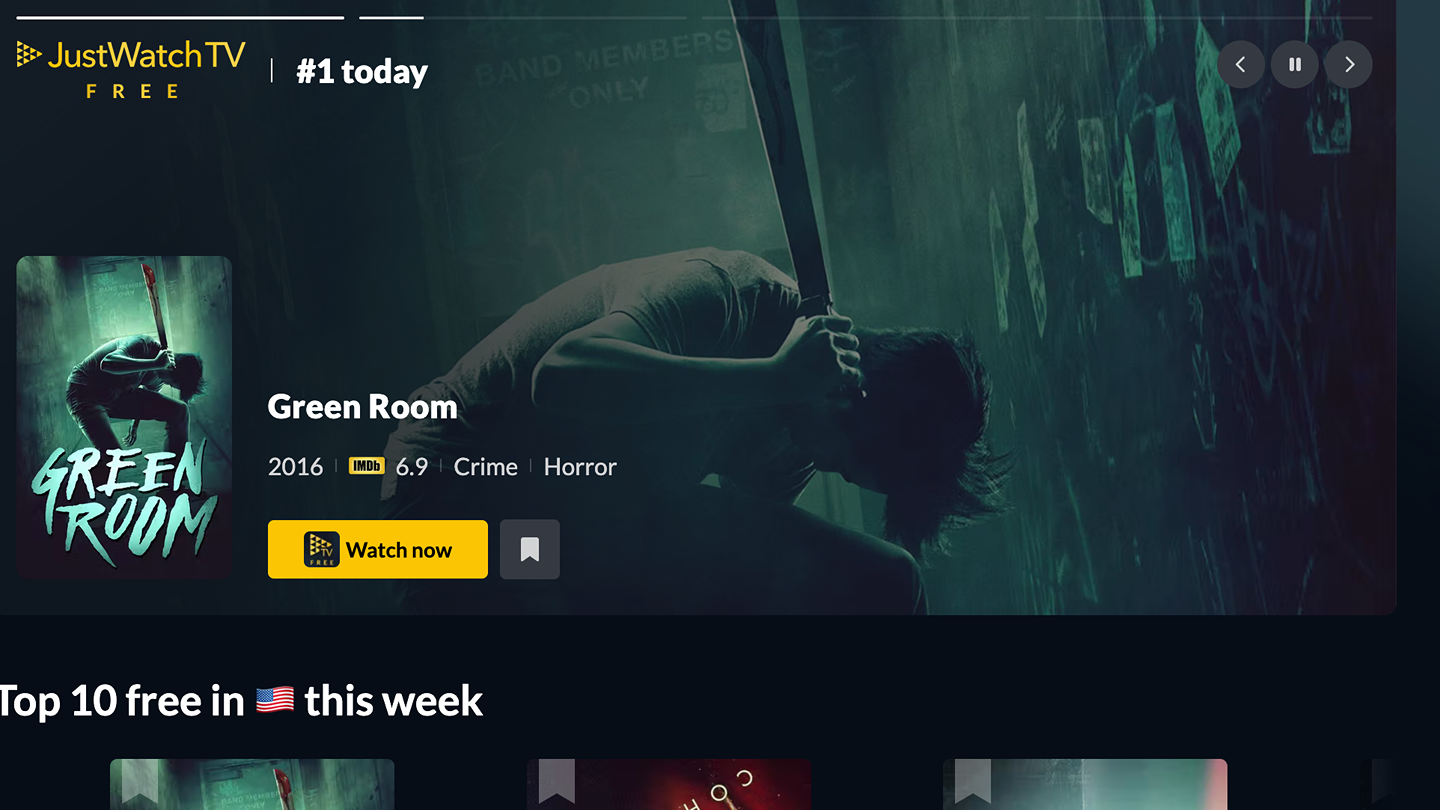
JustWatch to launch own streaming service
Reports say that JustWatch Group, which operates the world’s largest streaming guide, will launch its own streaming service, called JustWatch TV, in October.
.jpg)
CBC/Radio Canada picks Dalet
CBC/Radio-Canada has selected Dalet to modernise its news operations across Canada.
 (1).jpg)
Evergent wins API Gold from TM Forum
Evergent has achieved Gold status in TM Forum’s Open API Conformance Certification programme, advancing from the Silver status earned in the first quarter of 2026.

Dutch telco Odido picks Synamedia Go
Odido, a telecoms operator in the Netherlands, has selected Synamedia Go to support its TV streaming service.
Zixi extends integration with TAG Video Systems
Zixi and TAG Video Systems have announced an extended integration that enables Zixi’s live video delivery and orchestration software platform to leverage TAG’s content matching technology.
.jpg)