
The Film and TV Charity has released headline data that shows mental health is worsening compared to 2022 survey results. The data comes from more than 4,300 film, TV, and cinema workers responding to its 2024 Looking Glass Survey, the industry’s biggest and most robust dataset on this topic.
The 2024 survey reveals that 35% of respondents describe their mental health as ‘poor’ or ‘very poor’, increased from 24% in 2022, with 30% of respondents experiencing suicidal thoughts over the past 12 months.

Detailed analysis of survey responses is currently underway ahead of the full report publication in early 2025, but survey responses indicate issues with the current industry climate and feelings of precarity in their roles, may be contributing to the deterioration in the mental health of industry workers.
The survey results also indicate that issues remain with the industry’s culture, conditions of work, and mental health support:
- Only 12% of those surveyed felt that the industry is a mentally healthy place to work
- 63% say that their work in the industry has a negative effect on their mental health
- 64% have considered leaving the industry over the past 12 months due to concerns about their mental health – an increase from 60% in 2022
- 32% of those surveyed have even taken practical steps to leave.
Respondents who had worked on a production utilising the Charity’s Whole Picture Toolkit for mentally healthy productions reported better ratings for their mental health and had a higher awareness of good practices and of the support services available to them.
Data to action
The Whole Picture Toolkit aims to enable more widespread support for mental health on productions. The charity aims to build on its success by working closely with major players across the industry to develop and agree on pan-industry standards to ensure support for mental health is routinely embedded in all productions. The charity has also confirmed that it will be working closely with the newly formed Action for Freelancers to develop standards, offer expertise and guidance.
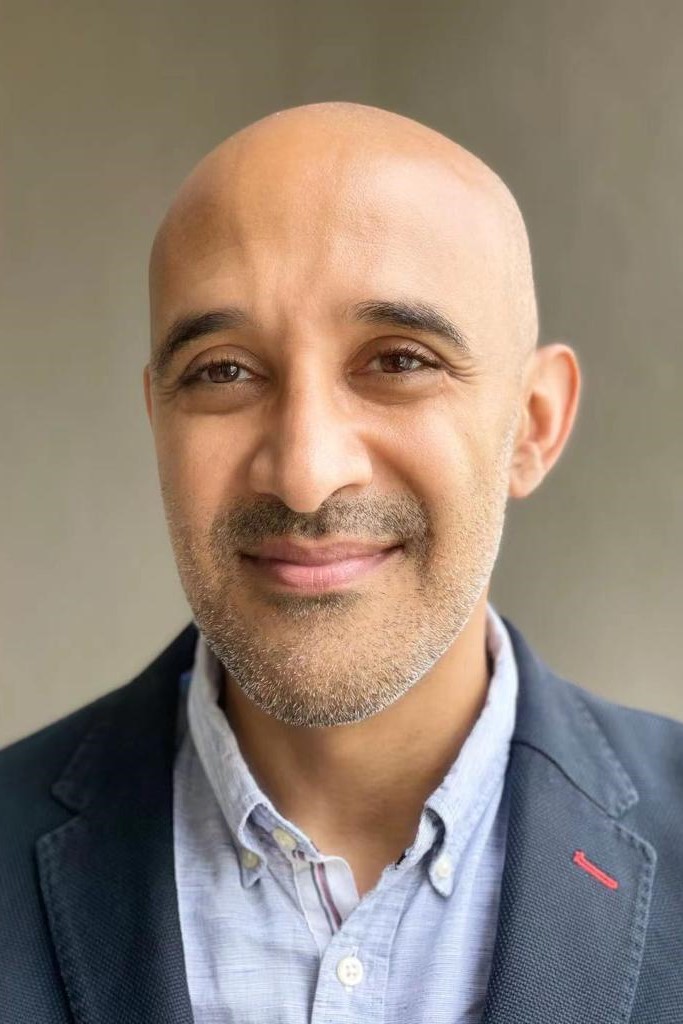
Marcus Ryder, CEO at the Film and TV Charity said: “Things are not improving quickly enough…While the Charity continues to provide invaluable in-the-moment support for anyone experiencing poor mental health, it’s evident that, collectively, the industry needs to grip the root causes far more robustly than it has so far managed to do. So, it is our hope that, by building on the success of the Whole Picture Toolkit, by working with stakeholders to develop pan-industry standards, and by providing the tools and resources to support their implementation, we can start to properly address one of the most pernicious issues our creative sector faces.”
Organisations that have signed up to support the development of pan-industry standards include: All3Media, Apple TV+, BAFTA, Banijay, BBC, BBC Studios, Channel 4, Creative Diversity Network, Disney+ UK, Fremantle, IMG Productions, ITV, Paramount, ScreenSkills, Sky, Sony Pictures Television, UKTV, and Warner Bros Discovery.
Anyone working behind the scenes in film, TV, and cinema can access immediate, free, and confidential support through the Film and TV Support Line on 0800 054 0000, or via the Charity’s website.
You are not signed in
Only registered users can comment on this article.

RTS reveals Technology Awards 2026 winners
Evan Shapiro, ITN’s Jon Roberts, and On Air 2025 were among the winners of the RTS Technology Awards 2026.
.webp)
France Télévisions and TDF test 5G broadcast of Diagonale des Fous
For the mountain ultramarathon Diagonale des Fous, TDF has rolled out a 5G broadcast trial in partnership with France Télévisions, Antenne Réunion, and Web TV Grand Raid.
 (1).jpg)
CNN and Financial Times sign AI deal with Google
CNN has signed a strategic multi-year partnership with Google, which will see the organisation provide enhanced content rights for Google’s generative AI news product pilots.
 (1).jpeg)
150 students take over On Air 2026’s five-channel broadcast
On Air 2026 will see 150 students take charge of the Media Talent Manifesto (MTM) broadcast’s 24-hour culture, news, sport, film, and kids channels on 22–23 October 2026.
.jpg)
IBC calls for Challenge submissions for 2027 Accelerators
IBC has launched the official call for Challenge submissions for its 2027 Accelerator Media Innovation Programme.
 (2).jpg)
.jpg)