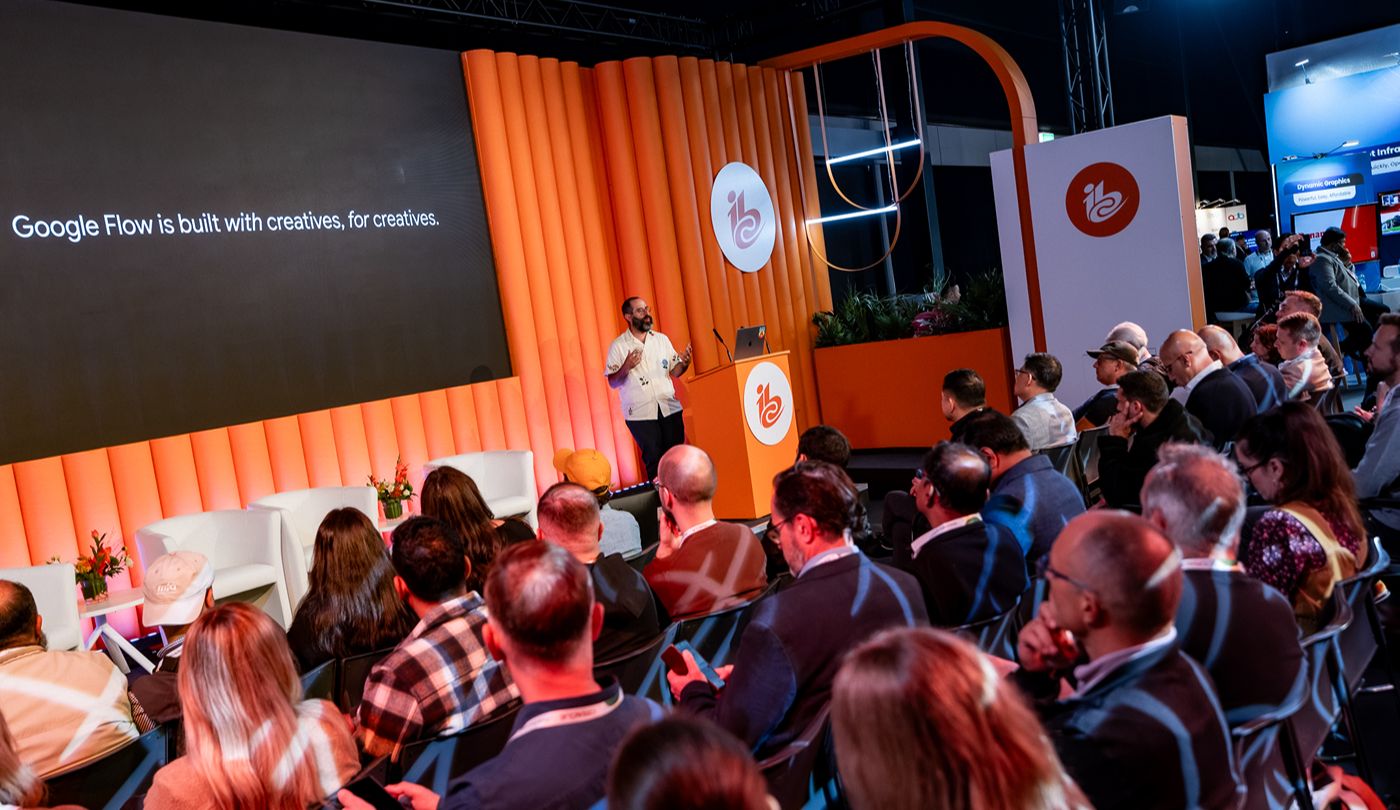
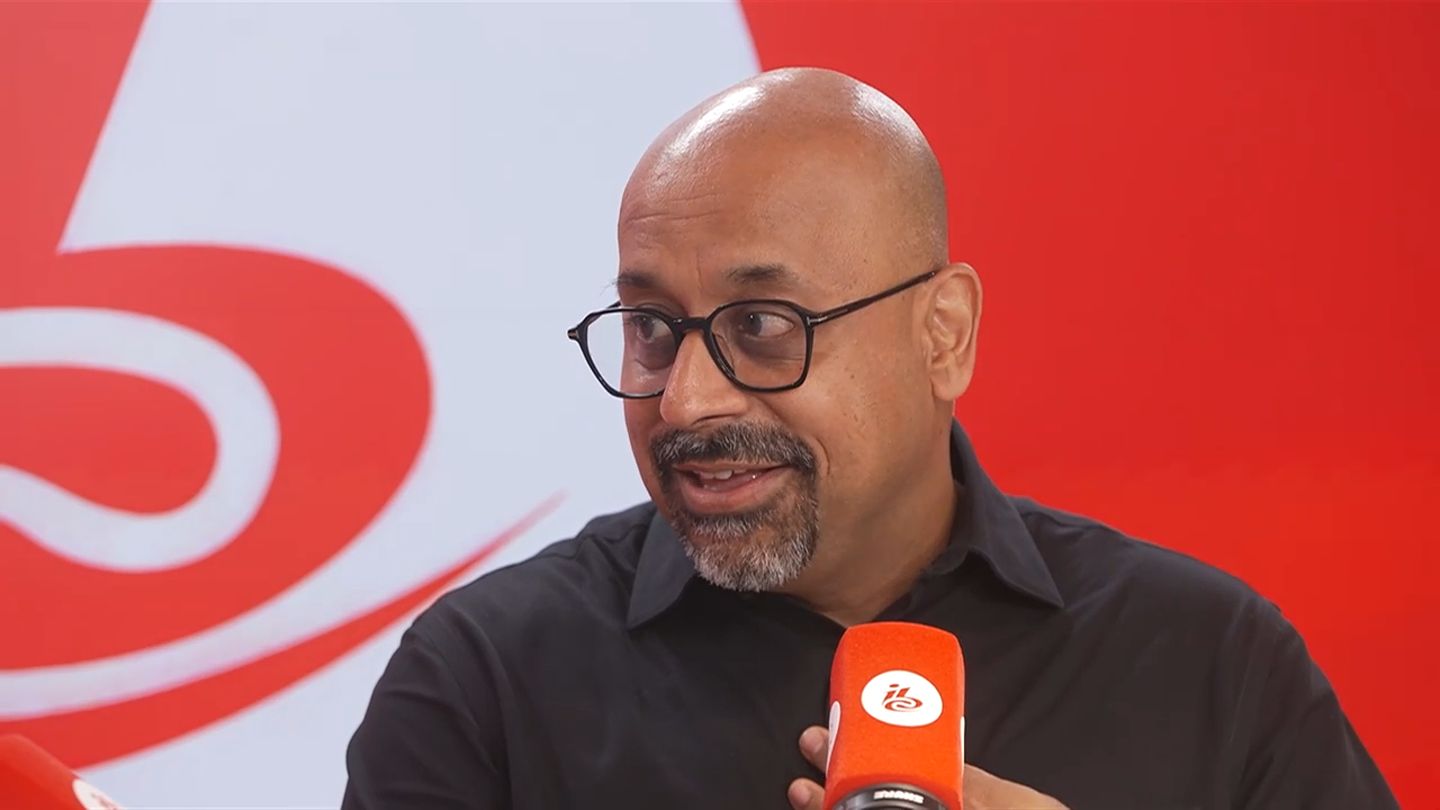
Last week, Deepa Subramaniam, Adobe’s Vice President of Product Marketing for Creative Cloud, was excited to reveal Adobe’s Firefly generative AI model at Adobe MAX London. Michael Burns questions her about the fears and hopes this new influence will have on post production.
“Firefly debuted last March. It’s barely over a year old, yet it’s been incredible to see the reception to the foundational models – we have an image model, we have a vector model, we have a design model, and we’re working on a video model, which we’ll bring to market this year,” Subramaniam told IBC365 on the eve of the MAX event in Battersea. Subramaniam heads up a team driving Adobe’s digital imaging, photography, video, and design strategies forward: “The excitement and enthusiasm and adoption from the community [towards Firefly] have been awesome, and all of that development has happened through open public betas.”
The Firefly model integrates AI image generation into Adobe’s creative applications, shown at MAX running in Adobe Photoshop, Lightroom, Illustrator, InDesign, and Adobe Express. But what will be of most interest to IBC365 readers is a sneak preview of a new video model that promises AI-powered post production capabilities in Premiere Pro...
You are not signed in
Only registered users can read the rest of this article.
.jpg)
Call my agent: Agentic AI begins buying media advertising
AI agents have the potential to automate media transactions at scale, but today’s focus is less about fully autonomous workflows and more on experimentation and efficiencies.
.jpg)
NAB Show New York: The stakes could not be higher
As media, technology, and politics become increasingly intertwined, the stakes extend far beyond the balance sheet.
.jpg)
6G-Holonet: Bringing Star Trek’s comms system to reality
As the 6G-Holonet project sets its sights on live entertainment, cultural heritage sites, and immersive media, Alex Buchan, Chief Technology Officer, DTG, reveals the key technological considerations that have ensured the project’s impact.
.jpg)
ULL-timate goal: How streamers are prioritising ultra-low latency
With audiences expecting instant global information, and broadcasters competing against social platforms that deliver clips within seconds, the race is on to deliver ultra-low latency (ULL) as a competitive edge.
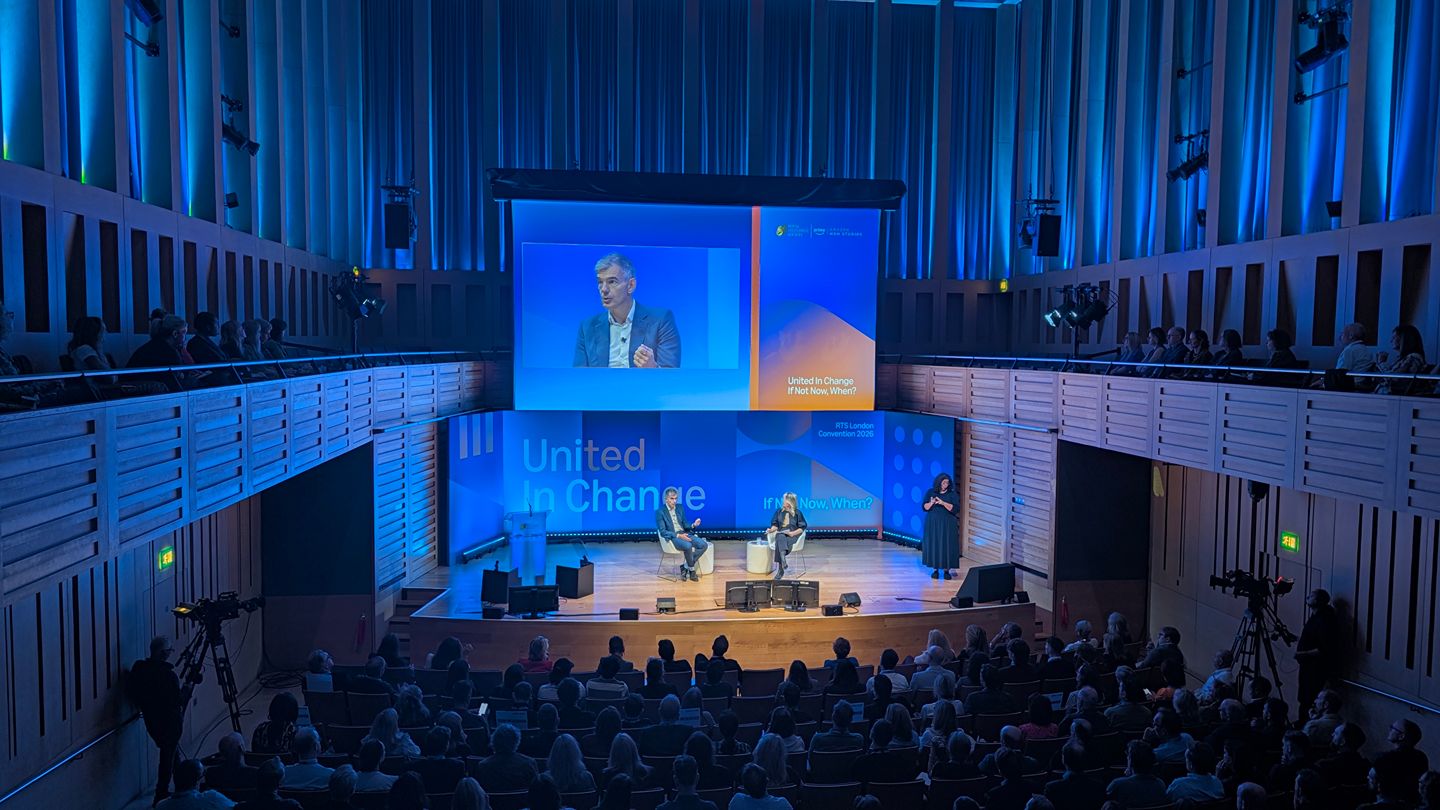
RTS Convention: “The prize for standing still simply isn't an option”
AI was largely sidelined at the annual RTS gathering where the fate of public service media took precedence. Adrian Pennington reports.
.jpg)
 (1).jpg)