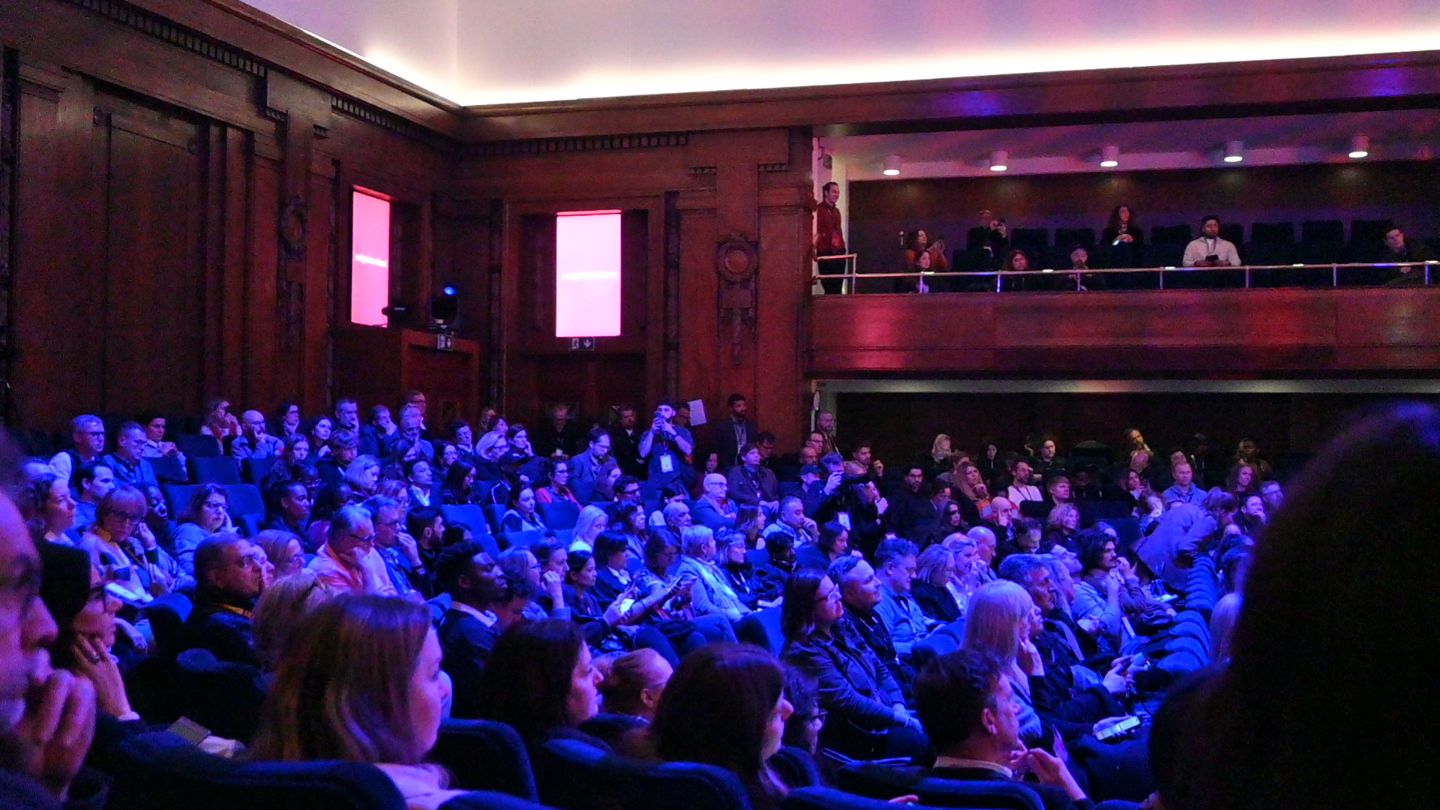
Digital creators, television producers, platforms, distributors, buyers, and brands across all genres gathered at the IET and Savoy Hotel this week to attend the second-ever iteration of MIP in London.
Authenticity was a key discussion point throughout the show, as broadcasters and new entrants alike attempted to cut through the noise and hold audiences. Overall, leaders embracing the new formats and trends in the industry highlighted the importance of: letting independent creators lead their creative visions; diversifying revenue streams; and being agile in the face of fast-moving changes sweeping the industry.
Running from 22 to 24 February 2026, MIP London built upon the success of last year, which saw over 2,800 delegates from 47 countries to 2,000 delegates from 74 countries in 2026. Of this 2026 set of delegates, the show welcomed...
You are not signed in
Only registered users can read the rest of this article.
.jpg)
NAB Show New York: The stakes could not be higher
As media, technology, and politics become increasingly intertwined, the stakes extend far beyond the balance sheet.
.jpg)
6G-Holonet: Bringing Star Trek’s comms system to reality
As the 6G-Holonet project sets its sights on live entertainment, cultural heritage sites, and immersive media, Alex Buchan, Chief Technology Officer, DTG, reveals the key technological considerations that have ensured the project’s impact.
.jpg)
ULL-timate goal: How streamers are prioritising ultra-low latency
With audiences expecting instant global information, and broadcasters competing against social platforms that deliver clips within seconds, the race is on to deliver ultra-low latency (ULL) as a competitive edge.
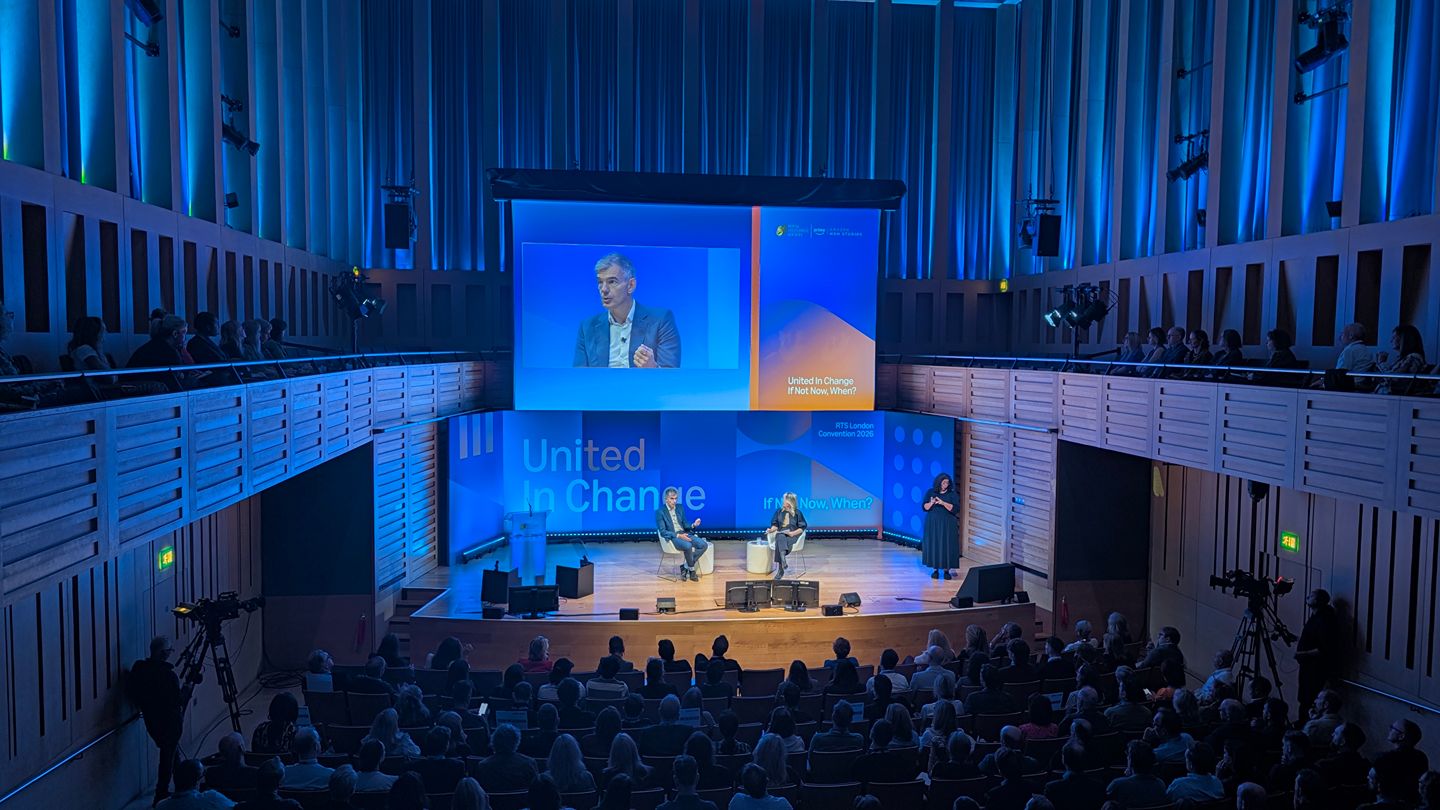
RTS Convention: “The prize for standing still simply isn't an option”
AI was largely sidelined at the annual RTS gathering where the fate of public service media took precedence. Adrian Pennington reports.
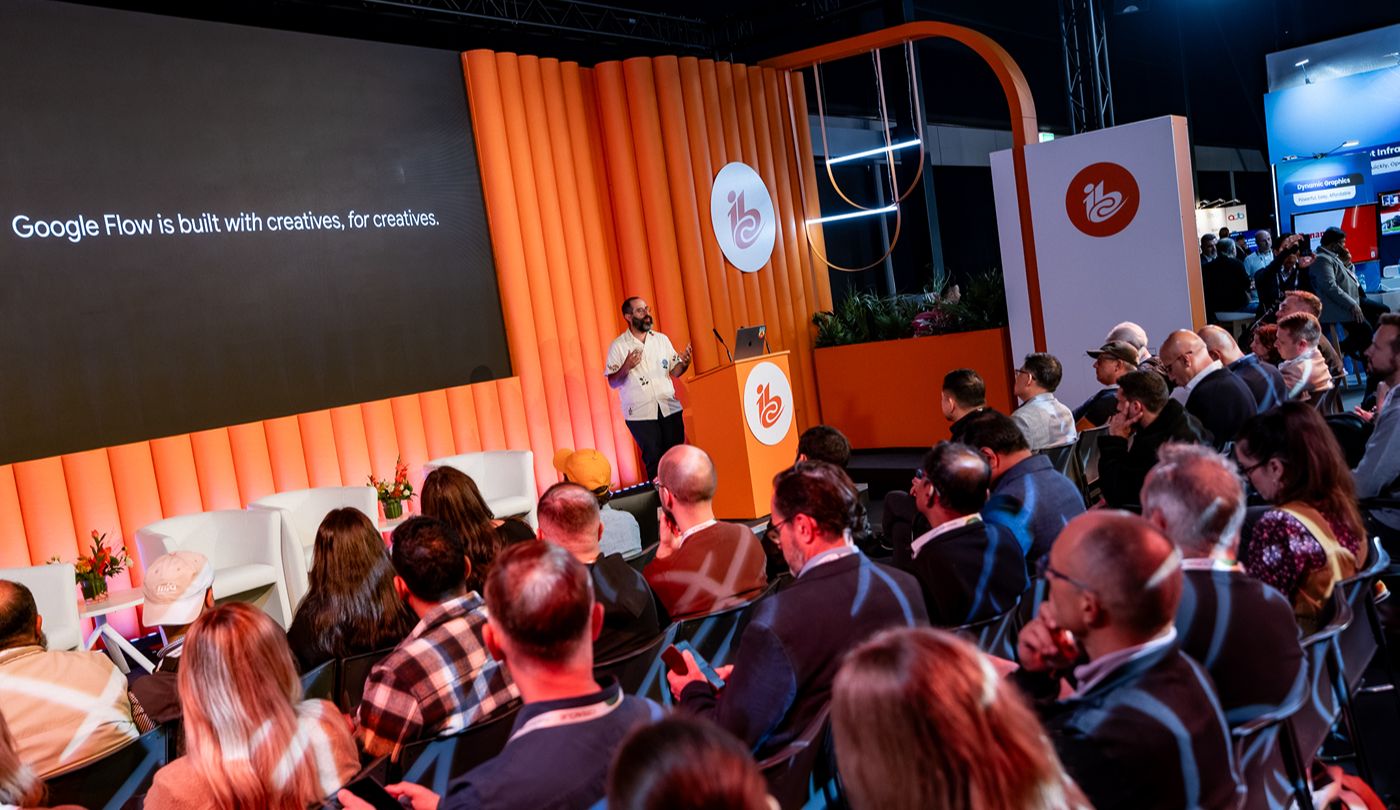
Content Everywhere at IBC2026: AI moves from hype to action
Companies from across the Content Everywhere ecosystem highlight what they see as some of the most promising industry developments at IBC2026, while calling out areas where they think the industry has room for improvement.
 (1).jpg)