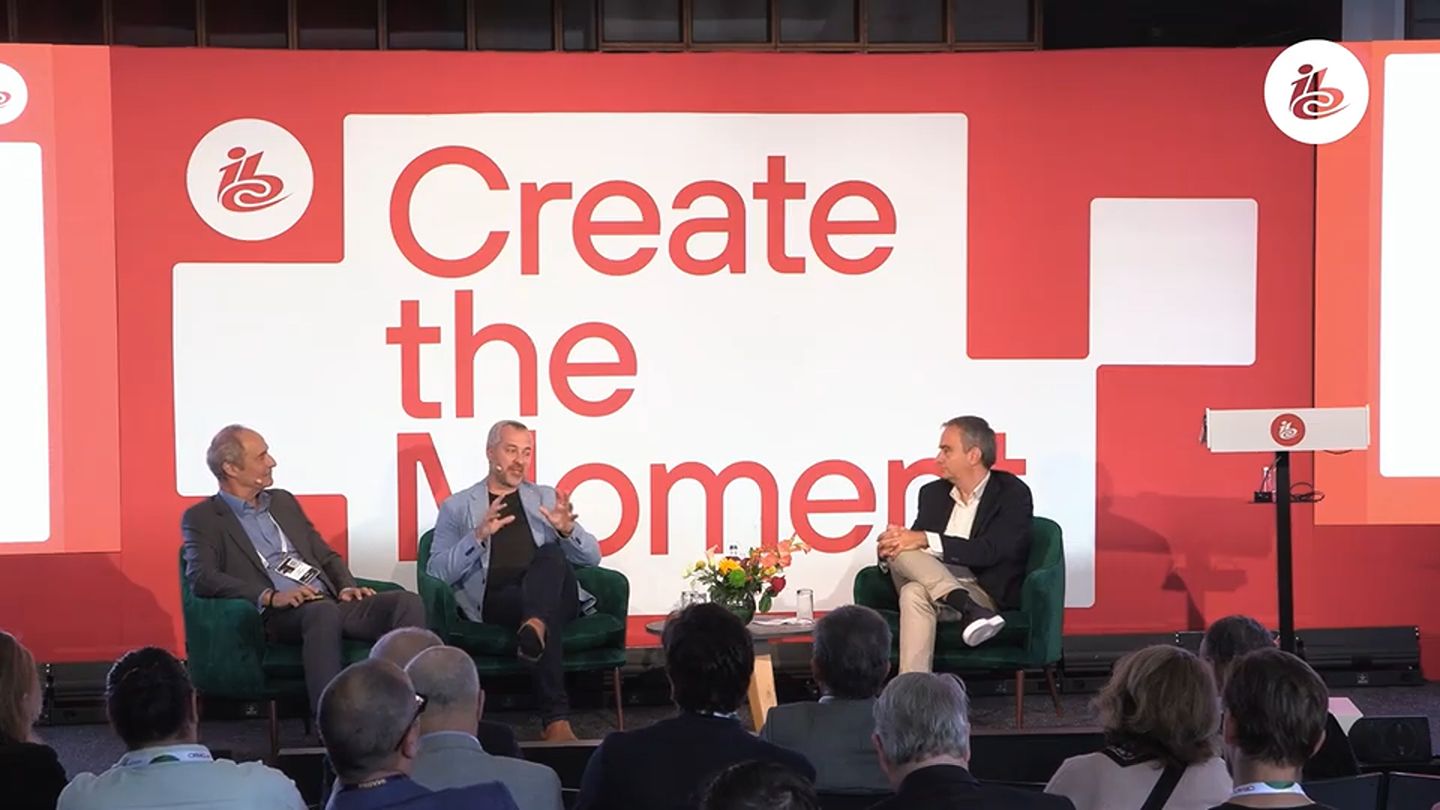

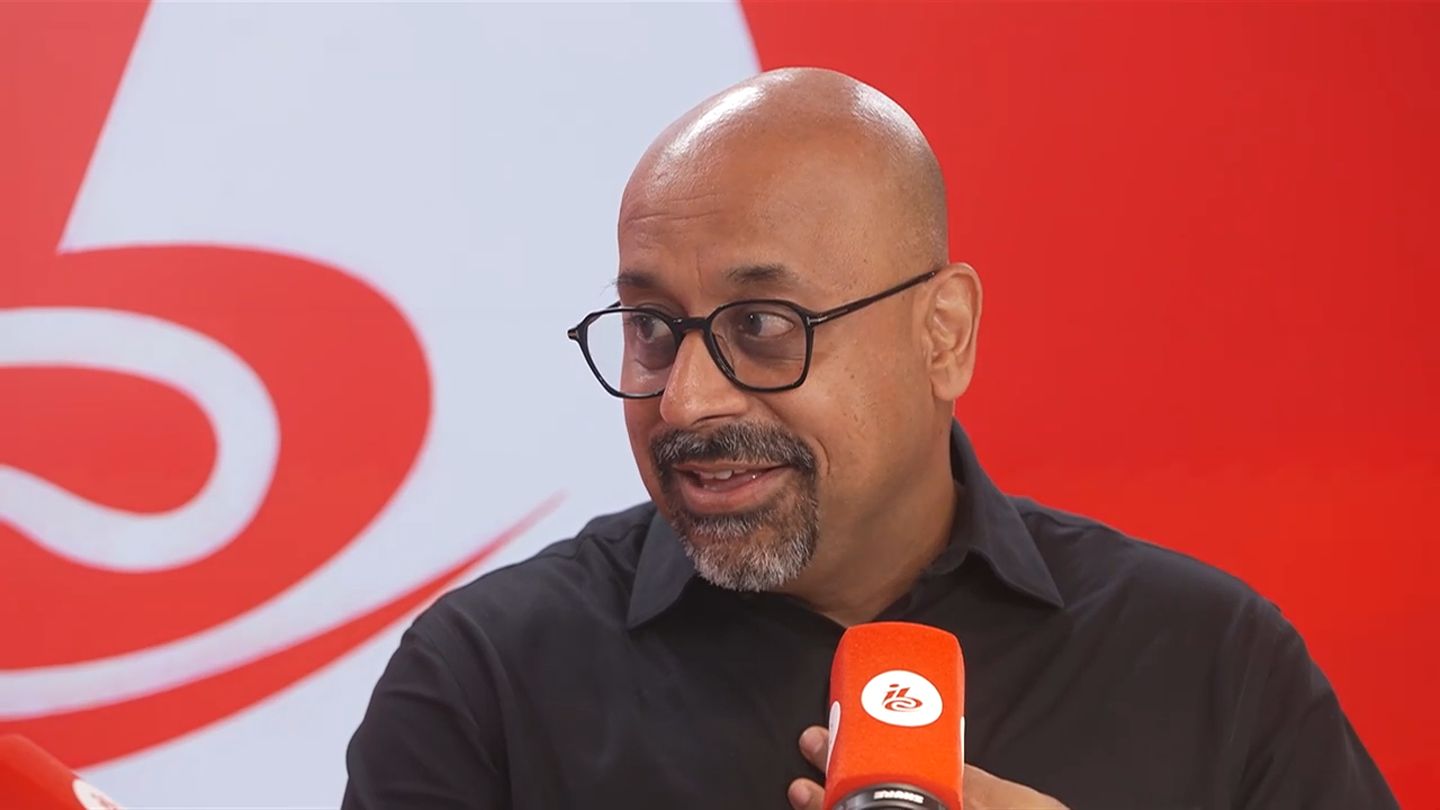
From semantic search to automated highlights, AI is moving beyond hype. At IBC2025’s CTO Roundtable, Warner Bros. Discovery (WBD) CTO Avi Saxena and ITV CTO Simon Farnsworth unpacked 250 live use cases, new ad-tech platforms, the need for genAI-native skills, and how cultural resistance is shaping the future of broadcast innovation.
WBD’s Saxena oversees a global platform spanning Max, Discovery+, Eurosport and CNN. “We take a lot of pride in a creator-first company,” he said. “Our creators are the core of the company. After they produce the content, we go and apply a lot of AI to make the content available to our consumers in different ways.”
For Saxena, the real disruption lies in discovery. “Legacy media had only one way to discover your content, go through the stuff and find it. With streaming, there are dozens of different ways consumers find content.”
Metadata: from attributes to intelligence
Saxena argues that metadata is now “the most important part of the workflow.” Traditional broadcast used “about 100 to 200 different attributes about a piece of content,” but streaming demands more. “The amount of metadata that can be extracted is insane,” he said. “How do you create this multi-dimensional storage and utilise the metadata to drive discovery, engagement and communication?”
Using AI, WBD can identify ‘romantic sentiments,’ ‘narrative themes,’ or even ‘beach furniture’ in shows like White Lotus and Friends, powering semantic search and contextual advertising. “Now for lexical search, a dog is a dog, but for semantic search, a dog is also a pet, a dog is also an emotional person,” Saxena explained.
Highlights, localisation and monetisation
Saxena showcased WBD’s Metronome system, which uses crowd audio to rank the excitement level of moments in a football match. “It provides a new excitement rating attributed to each timeline marker,” he explained. “This feature aims to offer the user a chance to catch up on the very best key moments prior to joining the live stream.”
AI also supports localisation at scale. “If we use human-driven captioning we can only go to so many markets,” Saxena said. With AI, WBD scaled from “80 hours’ worth of translation in the whole year” to “550 hours” in a single division.
ITV: 250 live genAI use cases
Farnsworth revealed just how aggressively ITV has embraced generative AI. “We now have 250 live use cases of genAI applications or agents, or just genAI within ITV,” he said.
The broadcaster’s Planet V ad-sales platform allows advertisers to target with precision. “You can go down and say, ‘we want to target males 25 to 54 who live in affluent areas, who are interested in buying SUVs, but are only interested in electric SUVs,’” Farnsworth explained. “And the most important thing is we hold and own all that data.”
Culture and change management
Farnsworth emphasised the importance of skills and training in terms of AI. “We've realised really quickly . . . ChatGPT is a generic product. It could write you an email. It could do your job description. It didn't actually solve specific business problems. Part of my job is to try and translate to the senior management team that actually the investment next year is bringing a lot more genAI native people, because there's a skills gap in in how to use it.”
While Farnsworth focused on new skills, Saxena emphasised culture as the greater barrier. “Challenging status quo is one of the biggest things I do on a daily basis,” he said.
To address resistance, WBD has created a sandbox where a lot of content is available: “There is a Chinese wall that stays within WBD, and we can really empower our employees to go experiment quickly, fail fast and try something else,” he said.
Toward an AI-powered industry
Both CTOs agreed the industry must pivot from seeing AI as a cost-cutting exercise to viewing it as a driver of growth. “The big sort of shift that we had at ITV was when we stopped talking about cost savings. We said we absolutely want to focus on growth,” Farnsworth stressed.
.jpg)
6G-Holonet: Bringing Star Trek’s space-age comms system to reality
As the 6G-Holonet project sets its sights on live entertainment, cultural heritage sites, and immersive media, Alex Buchan, Chief Technology Officer, DTG, reveals the key technological considerations that have ensured the project’s impact.
.jpg)
ULL-timate goal: How streamers are prioritising ultra-low latency
With audiences expecting instant global information, and broadcasters competing against social platforms that deliver clips within seconds, the race is on to deliver ultra-low latency (ULL) as a competitive edge.
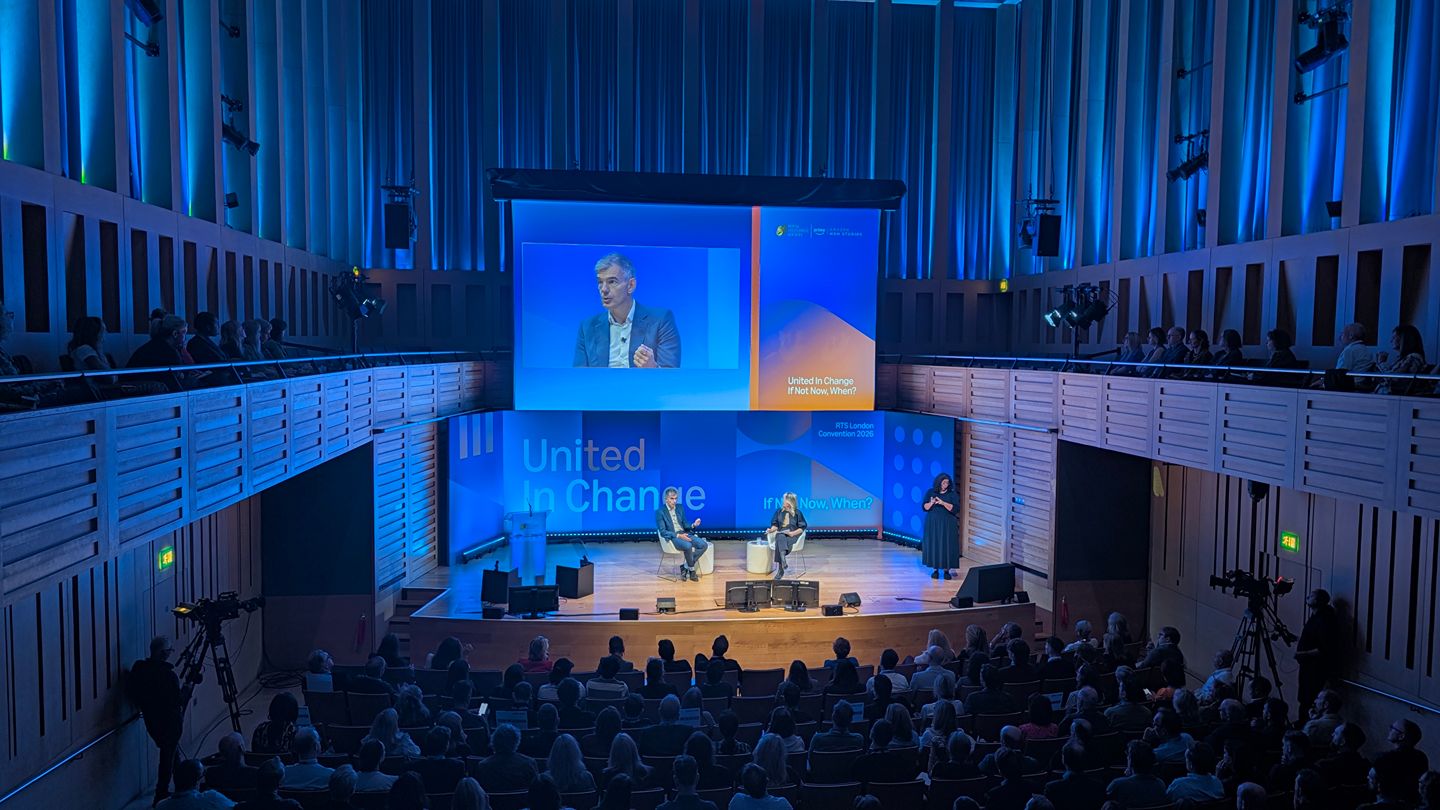
RTS Convention: “The prize for standing still simply isn't an option”
AI was largely sidelined at the annual RTS gathering where the fate of public service media took precedence. Adrian Pennington reports.
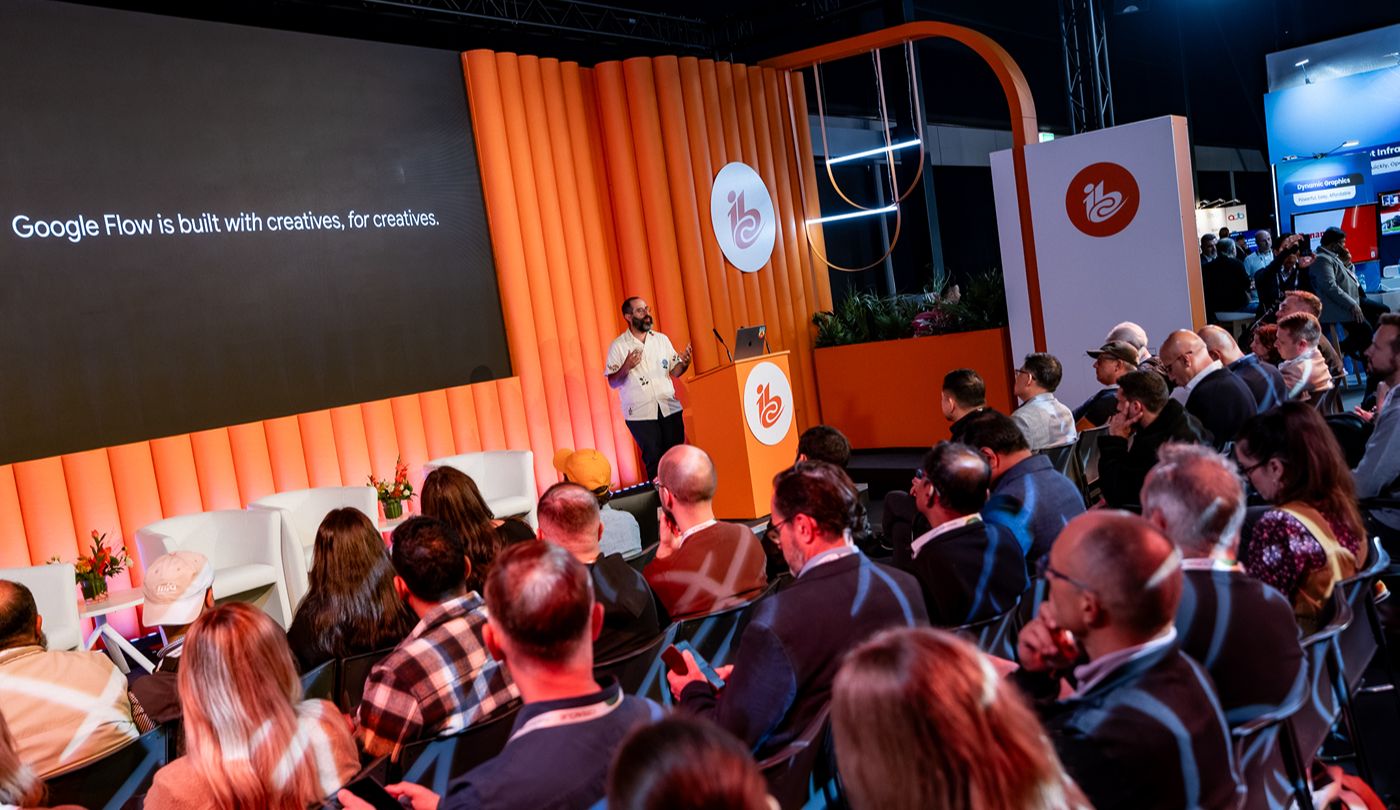
Content Everywhere at IBC2026: AI moves from hype to action
Companies from across the Content Everywhere ecosystem highlight what they see as some of the most promising industry developments at IBC2026, while calling out areas where they think the industry has room for improvement.
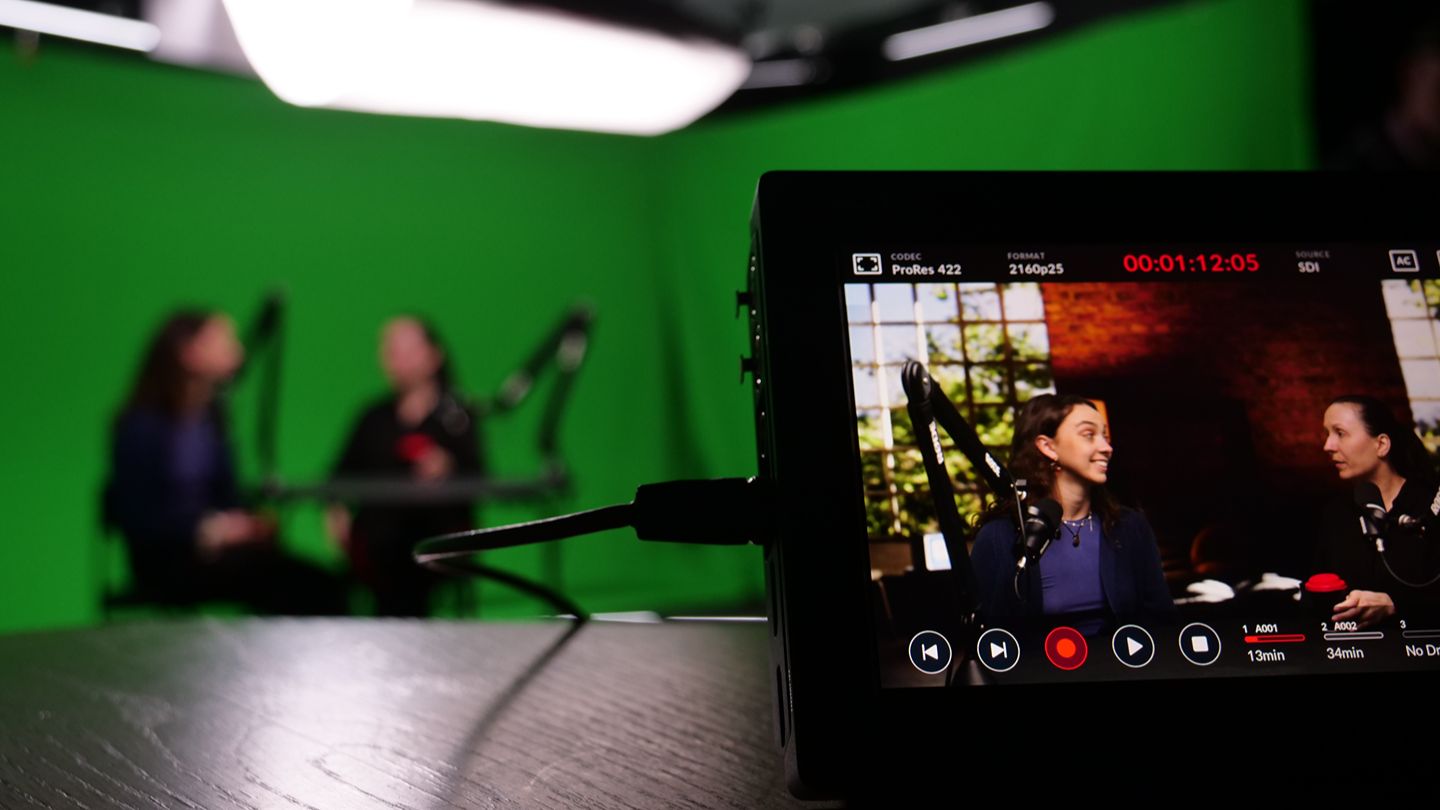
How virtual sets are changing the shape of podcast production
One podcast session can now feed a much wider content package spanning audio and video. Rob Chandler, Founder, CEO, The Dean Street Podcast Studio, explains how that changing demand shaped the studio he built in central London.
.jpg)