
IBC2025: The second day of the IBC2025 Conference showcased a plethora of discussions and talks highlighting the transformative power of AI, cloud technology, and open ecosystems in the media industry. Voxo's AI model reports.
A consistent theme across the sessions was the necessity of integrating advanced technologies to streamline workflows, enhance creative processes, and drive efficiency while maintaining high standards and addressing the evolving needs of global audiences. The convergence of AI and cloud platforms emerged as a pivotal force in revolutionising media production, distribution, and consumption, offering scalability, flexibility, and innovative solutions to traditional challenges. Speakers emphasised the importance of collaboration among vendors, the adoption of open-source models, and the careful management of metadata and orchestration to ensure seamless operations and interoperability in increasingly complex media environments.
One of the standout insights from the sessions was the profound impact of AI on content creation and personalisation. AI-driven tools are enabling faster production cycles, automating mundane tasks, and enhancing the quality of creative outputs. This shift not only boosts efficiency but also opens new avenues for monetisation through personalised content delivery and targeted advertising. The discussions highlighted the dual nature of AI – its potential to disrupt traditional workflows and the need for thoughtful adoption to maximise benefits while mitigating risks. Industry leaders stressed the importance of balancing innovation with governance, ensuring that AI applications are both effective and responsible. Panellists also underscored the significance of cloud technology in modern media operations.
Cloud-based workflows are revolutionising production by offering real-time collaboration, reducing latency, and enhancing security. The migration to cloud platforms is driven by the need for scalable solutions that can handle the demands of high-pressure environments and global productions. Speakers shared case studies that demonstrated the efficiency and creative potential unlocked by cloud technology, highlighting its role in achieving quick turnarounds and maintaining high production standards. The emphasis on cloud-to-cloud workflows and the integration of multiple vendors’ technologies illustrated the industry's move towards a more interconnected and flexible production ecosystem.
Summary created by Voxo. Headline and standfirst furnished by the IBC team.
IBC Conference 2025: Day 2
.jpg)
Call my agent: Agentic AI begins buying media advertising
AI agents have the potential to automate media transactions at scale, but today’s focus is less about fully autonomous workflows and more on experimentation and efficiencies.
.jpg)
NAB Show New York: The stakes could not be higher
As media, technology, and politics become increasingly intertwined, the stakes extend far beyond the balance sheet.
.jpg)
6G-Holonet: Bringing Star Trek’s comms system to reality
As the 6G-Holonet project sets its sights on live entertainment, cultural heritage sites, and immersive media, Alex Buchan, Chief Technology Officer, DTG, reveals the key technological considerations that have ensured the project’s impact.
.jpg)
ULL-timate goal: How streamers are prioritising ultra-low latency
With audiences expecting instant global information, and broadcasters competing against social platforms that deliver clips within seconds, the race is on to deliver ultra-low latency (ULL) as a competitive edge.
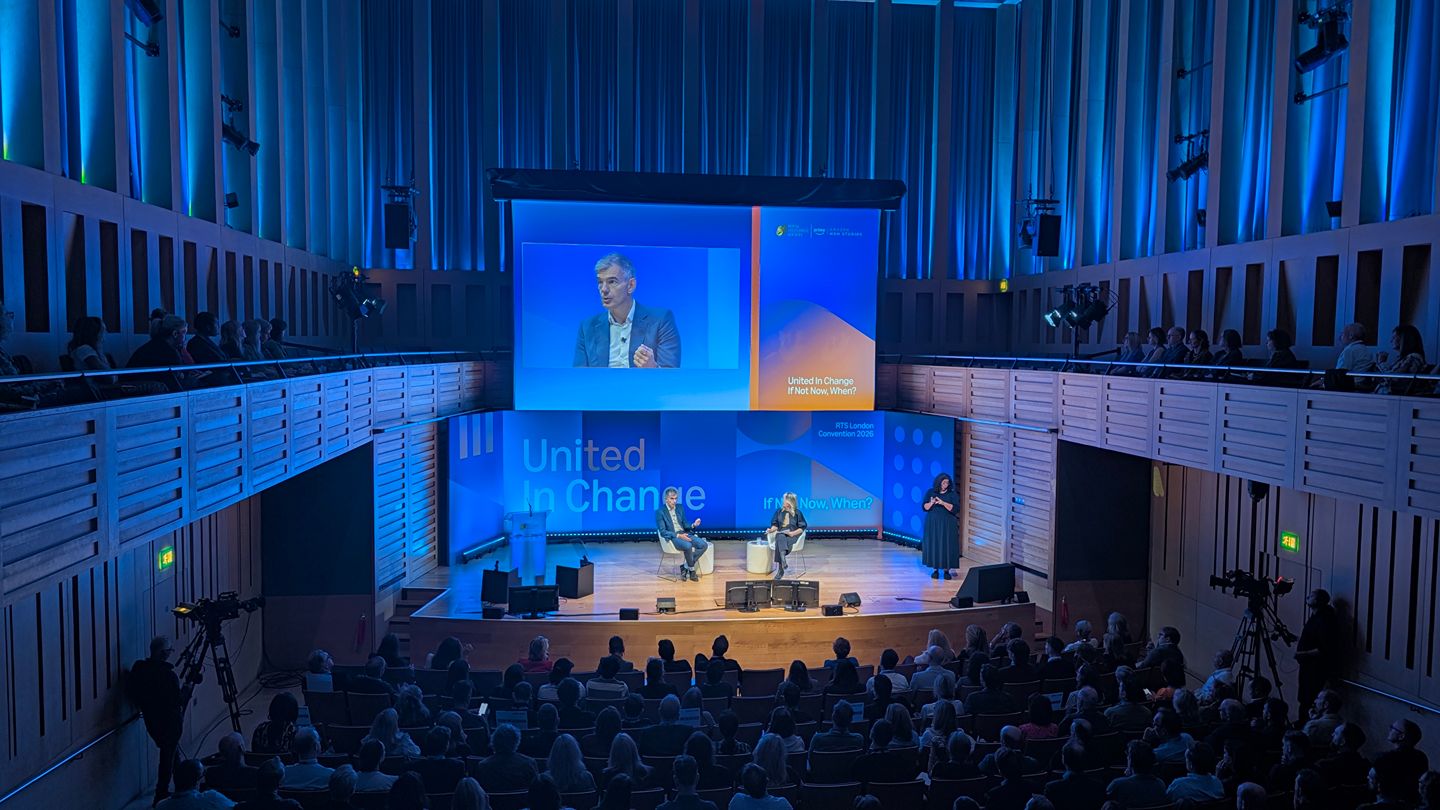
RTS Convention: “The prize for standing still simply isn't an option”
AI was largely sidelined at the annual RTS gathering where the fate of public service media took precedence. Adrian Pennington reports.
.jpg)
.jpg)