.jpg)
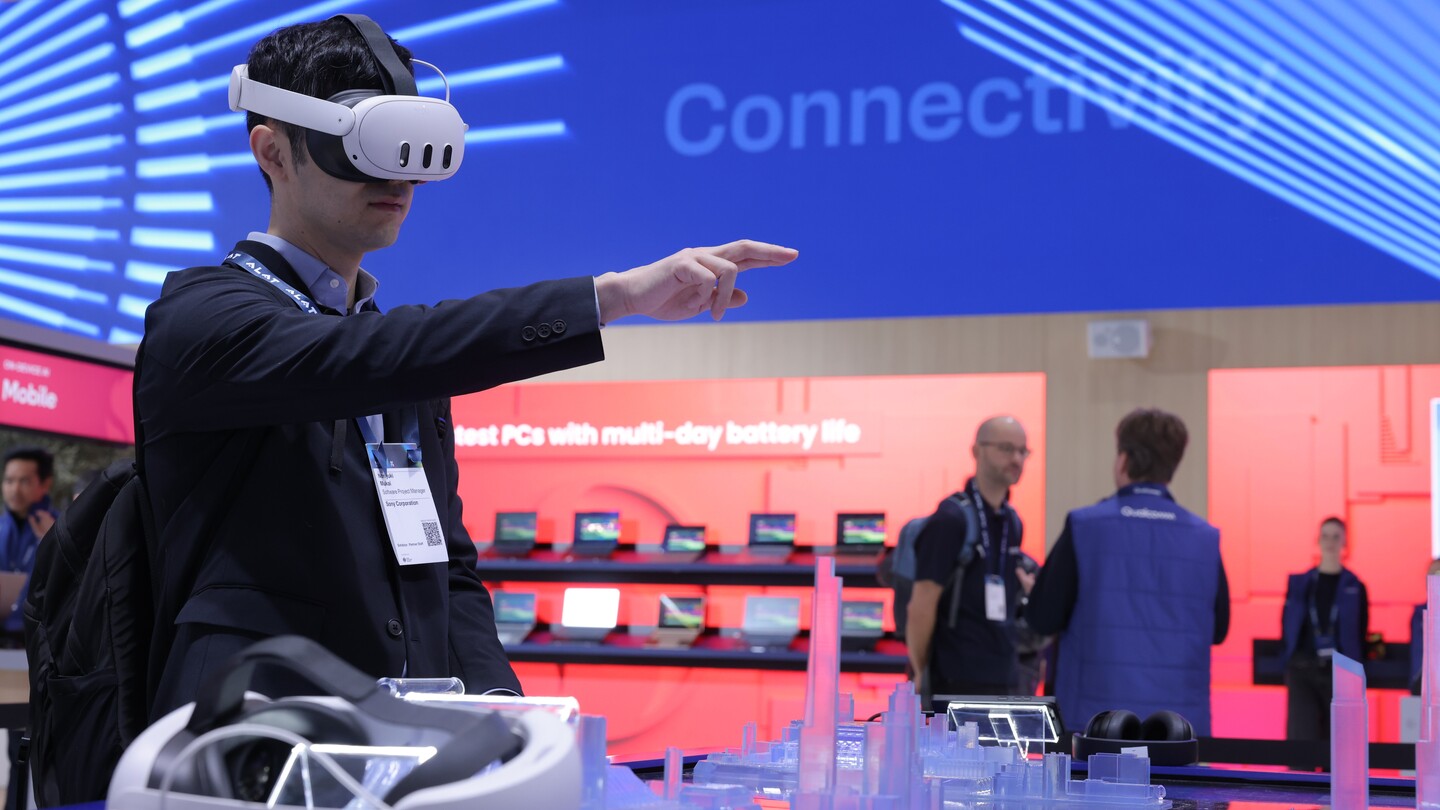
As the 6G-Holonet project sets its sights on live entertainment, cultural heritage sites, and immersive media, Alex Buchan, Chief Technology Officer, DTG, reveals the key technological considerations that have ensured the project’s impact.
With the International Telecommunication Union Radiocommunication (ITU-R) blowing its kick-off whistle with the International Mobile Telecommunications (IMT) 2030 framework, 6G research projects are suddenly multitudinous. The multiple countries and companies looking to exploit the wonders of 6G were joined on 29 September 2026 by the Digital Television Group (DTG). The industry body comes on as a coordinator of the 36-month innovation action named 6G-Holonet, which takes its name from the Star Trek internet system.
You are not signed in
Only registered users can read the rest of this article.
Beyond the broadcast: Creating modern, multi-platform experiences
As audiences move between television, mobile, social, and immersive platforms, media organisations must create connected experiences that expand engagement without multiplying production costs.
.jpg)
Streaming’s discovery problem: Who will fix viewing fragmentation?
As the number of services and viewing options has grown, audiences have more choice than ever. Yet, for viewers, finding something to watch is often still an exercise in frustration.
.jpg)
Call my agent: Agentic AI begins buying media advertising
AI agents have the potential to automate media transactions at scale, but today’s focus is less about fully autonomous workflows and more on experimentation and efficiencies.
.jpg)
NAB Show New York: The stakes could not be higher
As media, technology, and politics become increasingly intertwined, the stakes extend far beyond the balance sheet.
.jpg)
ULL-timate goal: How streamers are prioritising ultra-low latency
With audiences expecting instant global information, and broadcasters competing against social platforms that deliver clips within seconds, the race is on to deliver ultra-low latency (ULL) as a competitive edge.