
Cloud-based file services company LucidLink has announced a workflow integration with Adobe Frame.io to improve production teams’ access to distributed assets.
The integration will give editors and producers access to their Frame.io assets alongside production media, such as B-roll, audio, graphics, and archives within the LucidLink filespace.

This approach effectively extends LucidLink’s file streaming technology to assets outside Frame.io while providing what LucidLink describes as a “camera-to-timeline” experience.
According to the company, using LucidLink Connect means that editors can “instantly” access files stored in cloud environments, such as Microsoft SharePoint, Dropbox, Google Drive, Box, and Amazon S3, without requiring data migration, downloads, or file duplication. The existing cloud storage systems remain unchanged, LucidLink asserted.
The company also suggested a range of applications, including production of episodic and feature projects, live sports, and social content.
Peter Thompson, CEO of LucidLink, said: “Creative teams don't work in a single application anymore. They move across NLEs [non-linear editors], MAMs [media asset managers], review and approval tools, and VFX platforms. Our integration with Adobe Frame.io means customers can enjoy an exceptional review and collaboration experience, while LucidLink provides the persistent, tool-agnostic storage layer behind it.
“You get the best of both worlds: a seamless Frame.io workflow and a cloud filespace that serves every other tool in the production. This integration isn't about choosing one storage option over another. It gives customers the flexibility to design workflows that match the way they actually work.”
Stand: 7.C18
Company: LucidLink
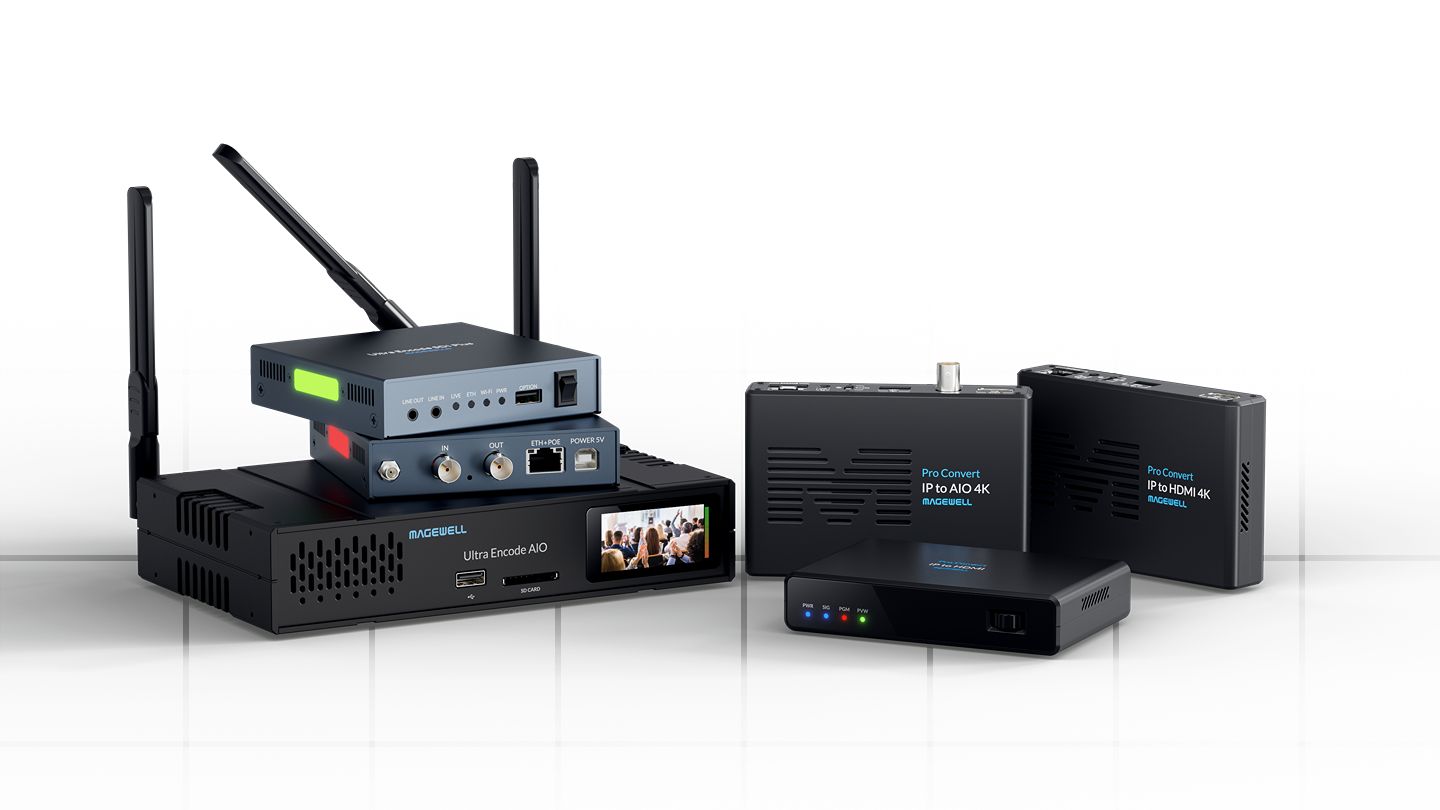
Zixi and Magewell expand collaboration
Live video delivery and workflow orchestration provider Zixi and Magewell, a developer of video capture, encoding and IP workflow hardware, have expanded their collaboration.
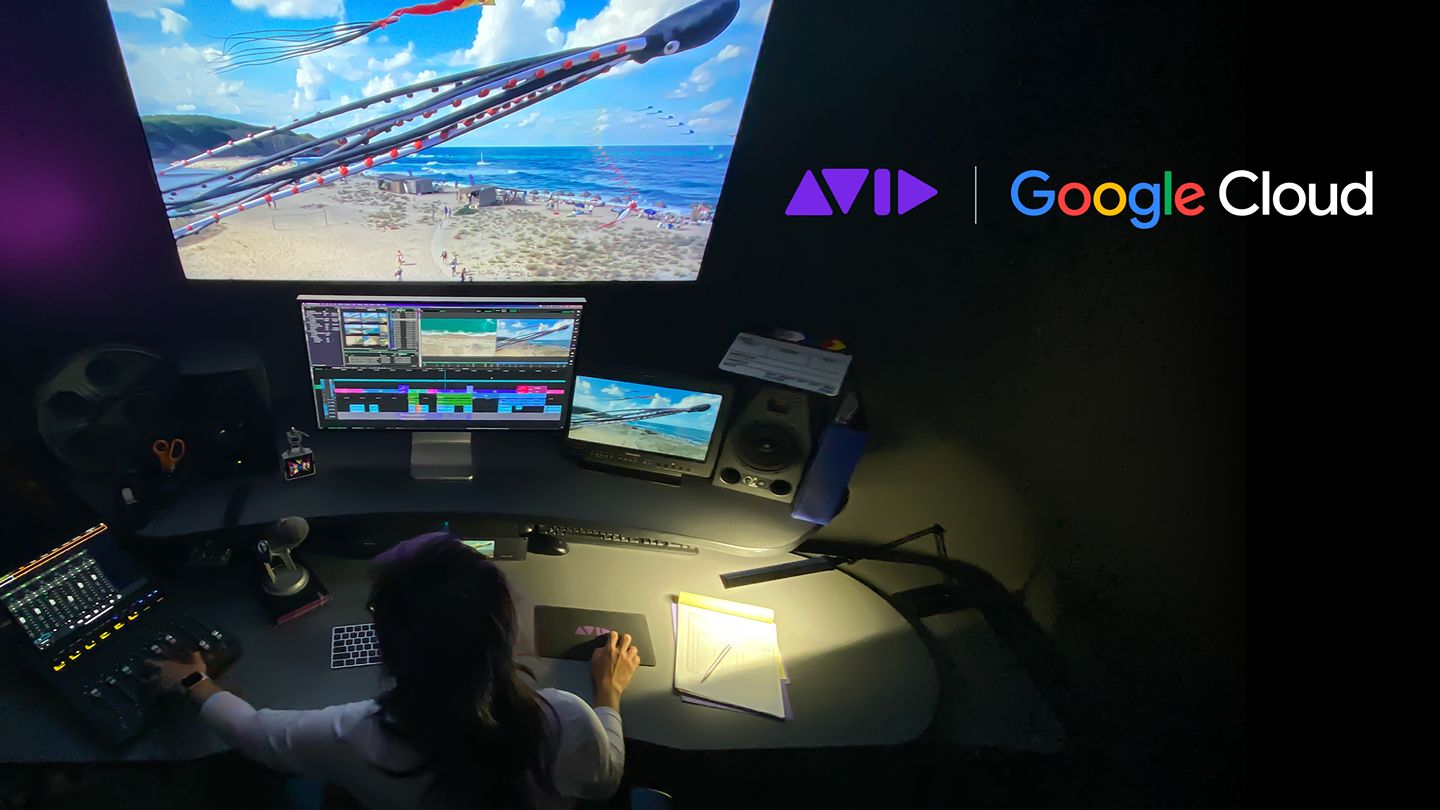
Avid expands partnership with Google Cloud
Avid and Google Cloud have expanded their strategic partnership, introducing browser-based Avid Media Composer, the company’s flagship video editing platform, and an upgraded content data platform.
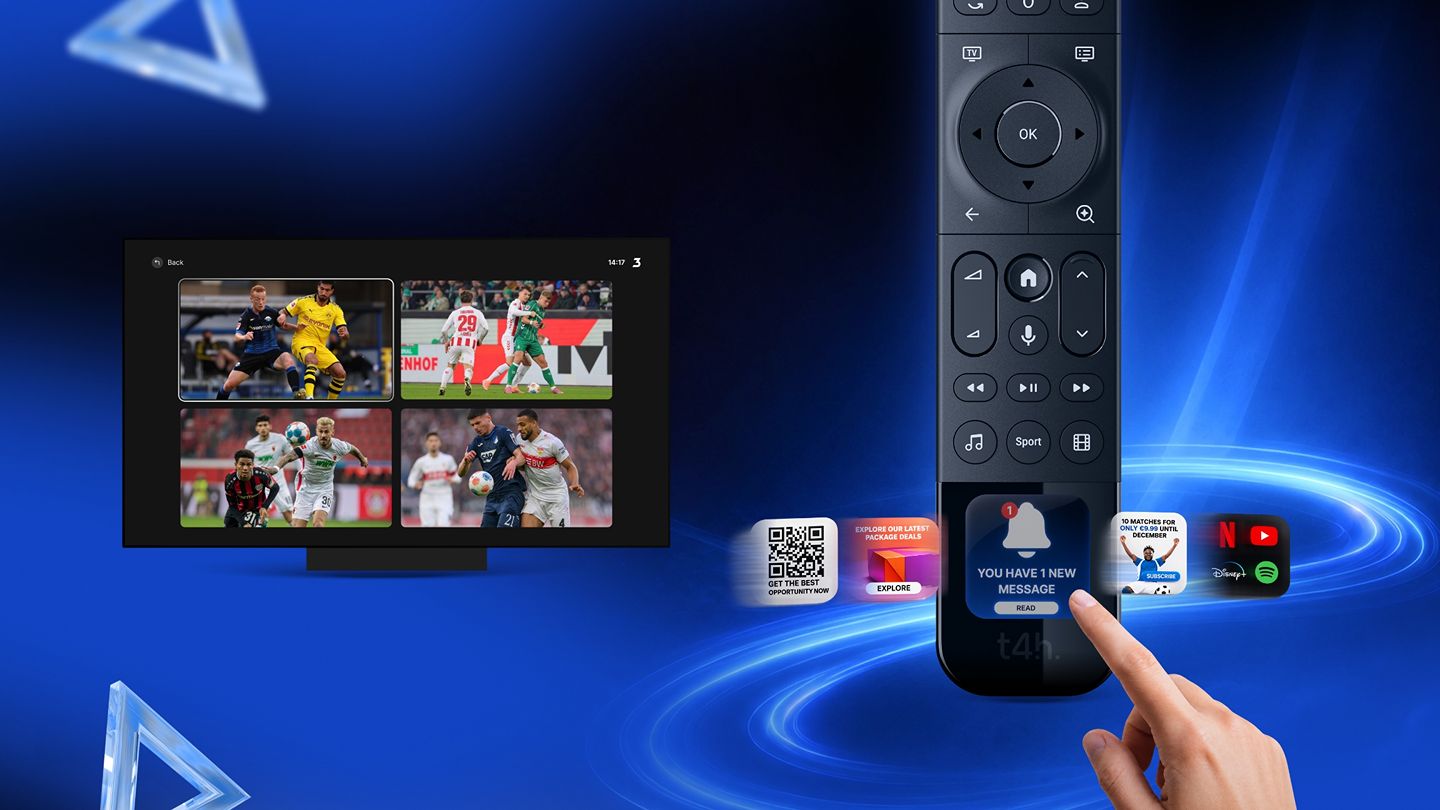
3SS collaborates with t4h. on remote control
3 Screen Solutions (3SS) and remote-control specialist Tech4home (t4h.) are collaborating on a pre-integrated product designed to enhance entertainment user experiences (UX).
.jpg)
Bridge Technologies unveils AV sync assessment tool
A multiservice AV sync tool on show from Bridge Technologies offers sample-level accurate synchronisation assessment within the VB440 production probe.
.jpg)
Statmux boosts multi-stream encoding
Spin Digital is previewing the latest features and improvements to its HEVC and VVC encoders At IBC, for VoD, Live and Ultra-low-latency applications, including new functionality for its Spin Enc Live encoder.
 (1).jpg)
.jpg)

