The BBC has announced plans for digital station extensions of BBC Radio 1, BBC Radio 2 and BBC Radio 3.
The BBC said the new extensions, which will be available on DAB+ and BBC Sounds, will look to delve deeper into specific genres and periods of music and that they will give more choice especially to people currently underserved by the BBC.

The BBC added that it last expanded its radio portfolio in 2002 – when it launched Radio 6 Music, Radio 1Xtra and Asian Network - since when the audio sector has changed significantly thanks to music streaming.
The Radio 1 extension will focus on music and acts from the 2000s and 2010s. There will also be an expanded version of the existing BBC Sounds Radio 1 Dance stream.
The new Radio 2 extension will, said the BBC provide “a distinctive take on pop nostalgia, curating the story of pop music primarily from the 1950s, 1960s and 1970s by some of the people who shaped the cultural landscape at the time, aided by unique access to the BBC’s archive.”
The Radio 3 extension will help listeners “unwind, destress and escape the pressures of daily life.”
The plans are subject to regulatory approvals.
The BBC will also launch a separate Public Interest Test for BBC Radio 5 Sports Extra. Currently the station, established in 2002, plays a short marketing trail on constant loop when there are no live sports being broadcast. The proposal sets out a plan for existing BBC sports related audio content, including BBC Sounds podcasts and programming from the Nations and Regions, to be played on the station.
Lorna Clarke, Director of BBC Music, says: “Our stations have captured the history of music in the UK during the past six decades for our audiences, and we now want to give them more choice from the BBC as listening habits are changing. Our extensions for Radio 1, Radio 2 and Radio 3 will allow listeners to deep-dive into more pop and classical genres and periods of music they love the most, uniquely created by the BBC. They’ll get a deeper listening experience than what’s available elsewhere, hear brilliant storytelling through our extensive archive, and discover more music to love whatever their mood.”
You are not signed in
Only registered users can comment on this article.
.jpg)
UK Culture Secretary Lisa Nandy challenges industry leaders on abuse
Culture Secretary Lisa Nandy has challenged the UK’s top media, entertainment, arts, and sports organisations to explain what they are doing to stamp out bullying and abuse.
UK union Equity secures AI protections for performers
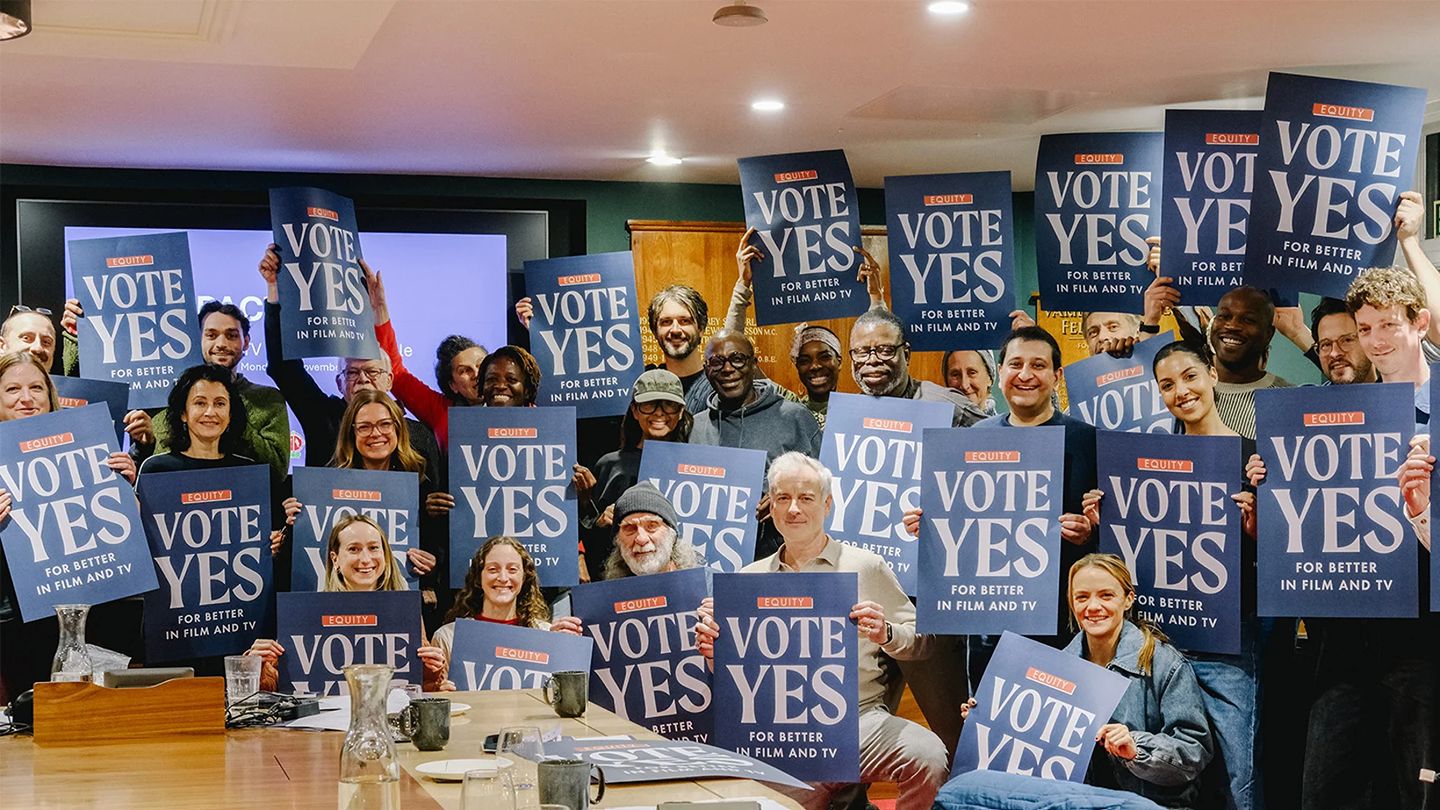
Actors’ union Equity has secured the first ever collective AI protections for performers in UK film and television, striking an agreement on protections for artists over the use of their digital likeness.
Maria Hellström wins Rise’s Woman of the Year
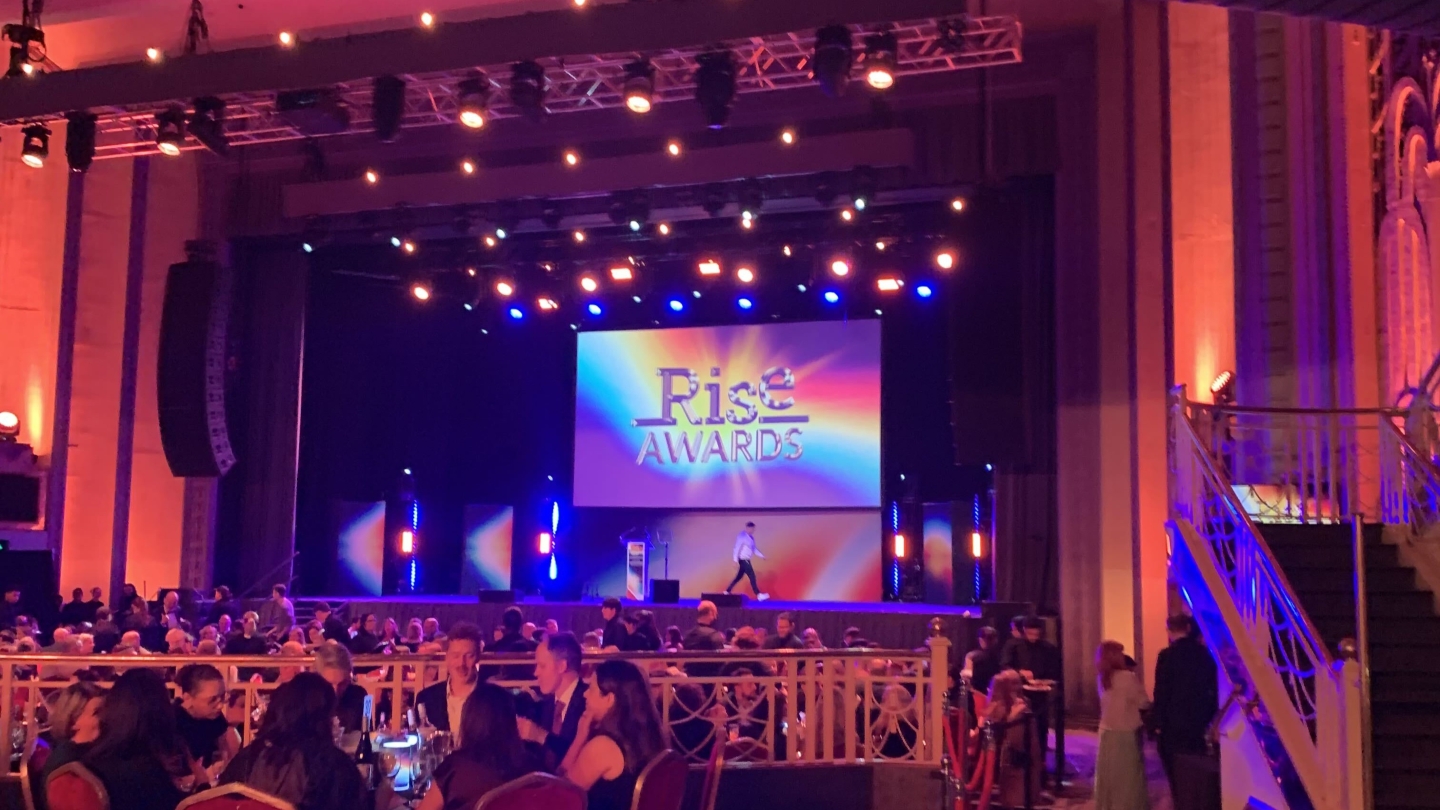
Advocacy group Rise named the winners of the 2026 Rise Awards last night (Nov 17) in a ceremony hosted at Troxy, London.
 (1).jpg)
Over half of consumers want to reduce their screen time, Ampere reports
More than a third (35%) of UK and US consumers who say they try to limit their screen time actually spent more time on social media over the previous six months, according to new research from Ampere Analysis.
.jpg)
UK creatives seek end of “culture of open secrets” on abuse
Nearly 400 British creatives have signed an open letter calling for an end to a “culture of open secrets” in the entertainment industry following the Russell Brand, David Walliams, and Love Island scandals.