
Despite funding pressures and a rapidly changing media landscape, the BBC remains popular with audiences, with 83% of UK adults using its services weekly, according to media regulator Ofcom.
Publishing its annual report on the corporation, Ofcom said the BBC has strong levels of overall audience satisfaction, which stood at 60% in 2024/25. It also found that there are early signs that engagement with younger audiences is improving.
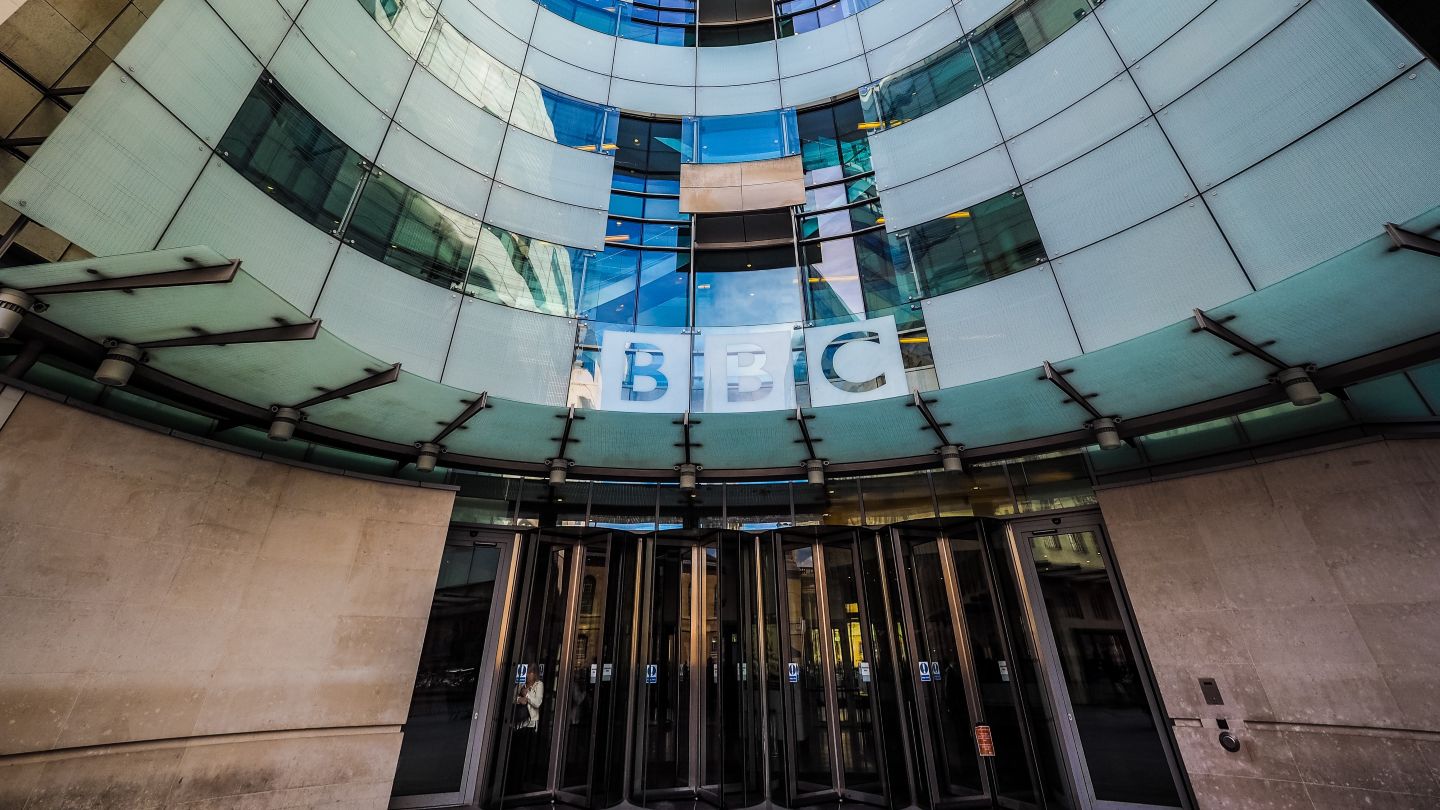
The positive conclusion to the annual report comes after a difficult month for the corporation, which saw Tim Davie, Director General of the BBC, and Deborah Turness, CEO of BBC News, resign in the wake of a misleading edit of President Donald Trump in a Panorama news programme.
Despite the scandal, Ofcom’s audience research showed that the BBC has remained the most popular source of news in the UK during the current Charter period since 2017.
Ofcom’s most recent figures from May 2025 showed that 70% of regular BBC TV news viewers rated the BBC highly for accuracy, and 68% rated the organisation highly for trust.
However, the regulator noted that the BBC “has recently faced a significant crisis involving editorial decision-making at the heart of its news and current affairs output.”
Ofcom has previously warned – and stressed again in its annual report – that the BBC Board and Executive “must take a firmer grip and act swiftly and transparently when controversies or failures arise.”
Ofcom added: “Addressing audience concerns about impartiality and holding itself to account when things go wrong is critical for the BBC to uphold and maintain audience trust. This must be a firm focus for the BBC as it resets to deliver for audiences in the next Charter period and beyond.”
Alongside this, Ofcom recommended that the BBC deepen its engagement with less satisfied audiences – including those on lower incomes. It suggested that the organisation should innovate and take risks to excite and engage, making content available where people want to watch it, such as on third-party platforms.
The BBC recently responded to President Trump’s legal team, saying that while the corporation "sincerely regrets the manner in which the video clip was edited" it "strongly disagree[s] there is a basis for a defamation claim." Discover more here.
 (1).jpg)
BBC licence fee could extend to streaming services
The BBC licence fee could be extended to online streaming services such as YouTube, Netflix, Amazon, and Disney+, according to reports.
 (1).jpg)
Netflix names Peter Rice as Chief Content Officer
Netflix has named veteran Hollywood executive Peter Rice as its Chief Content Officer. In this role, he will be responsible for the streamer’s content in all regions across scripted and unscripted series, film, and live events.
/2. Channel 4.jpg)
Channel 4 launches instant advertising platform
Channel 4 Sales has launched Instant Re4ch, an advertising proposition intended to offer prioritised planning across Channel 4 Sales' portfolio, guaranteeing peak spots across Channel 4, Paramount, and UKTV channels on the same evening.
.jpg)
Netflix scores exclusive rights to 2030 World Cup in Spain
Having secured exclusive rights in Spain and Andorra to the 2030 World Cup, Netflix will show the men's football tournament for the first time.
 (2).jpg)
Ben Frow, Head, Channel 5, to step down
Ben Frow will step down as Paramount UK’s Chief Content Officer next year, after 14 years of overseeing Channel 5 and its digital brands.
 (1).jpg)
.jpg)

.jpg)