.jpg)
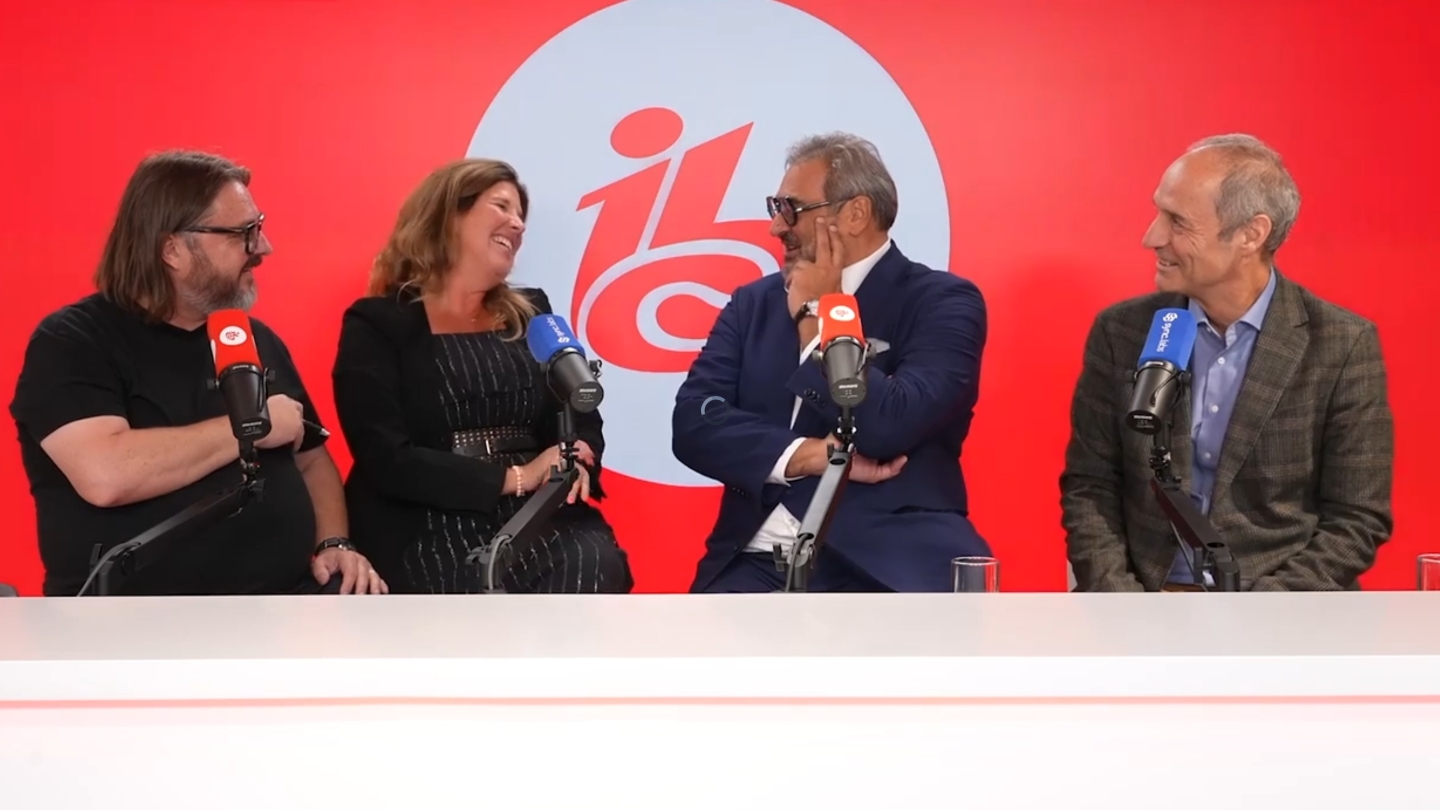
Creators have become studios, studios have adopted creator logic, and audiences increasingly reward authenticity over scale. That was the clear message from executives at Meta, Sidemen Entertainment, Tubi, Snap and BBC Studios during a lively IBC panel on the creator economy.
Will Pithers, Strategic Partner Manager for Sport, Meta, said the shift is most visible in live sport, where behind‑the‑scenes storytelling now outperforms traditional match coverage.
“There’s an inversion of the pyramid of value in live sport,” he said. “Historically live was at the top but this has been flipped.” He argued that athletes themselves now hold the power. “The most valuable thing in sport now is the behind‑the‑scenes stuff… you can provide access and intimacy in a way nobody else can.”
Tim Haubeil, Channel Director, Sidemen said the group had grown from “a bunch of friends making YouTube videos” into a 70‑person production company delivering long‑form shows, live events and Netflix commissions.
“The more creative freedom we have, the better the performance and conversion,” he said. “Creators know their audience better than anyone.”
Sami Qasem, Director of Creator and Content Partnerships, Tubi said creators are increasingly functioning like full production companies, pitching original series, running studios and retaining ownership of their IP.
“They’re becoming producers, directors, writers,” he said. “We step back and let them create for their audience. They retain ownership, which means they put everything into it.”
Jorrit Eringa, Head of Content Partnerships for Benelux and Nordics, Snap said creators succeed on Snapchat when they lean into raw, unpolished formats and repeatable concepts.
“Creators with strong concepts — like street interviews — build really engaged communities,” he said. Behind‑the‑scenes content is also strong. “People want to see what creators are up to.”
For BBC Studios, the creator economy is now central to its digital strategy. Interim VP of Content & Creators Helen O’Donnell oversees more than 150 social accounts across brands including Bluey and Doctor Who.
“Creators are creatives,” she said. “They’ve built their muscle. They know how to edit, how to engage, how to tell stories. Mutual respect is the key.”
O’Donnell said BBC Studios increasingly hires creators as staff, noting that many of its most successful social editors began as fans running their own accounts.
“They know the fandom and know the tone. They know what audiences want.”
Across the board the power has shifted. As Pithers put it, “The power balance now lies with the individual.”

IBC2026 Live Blog: Catch up with all the best innovations
Welcome to the IBC2026 Live Blog, getting under the skin of the global media and entertainment industry's biggest and best trade show.
.jpg)
FAST is the next frontier of creator domination
The creator economy is no longer a sideshow in Free Ad-Supported Streaming TV (FAST) but a core channel segment with platforms actively competing for content.
Global student On Air project is already igniting careers
On Air, the global student‑run broadcast initiative, is scaling up in its second year.
.jpg)
The pull era: Why media survival hinges on the phone-centric consumer
To survive, this industry must redefine broadcast, move beyond defunct binaries like "TV viewer" and "mobile user", and put its consumer at the centre of every decision, according to Evan Shapiro's rapid-fire talent programme keynote on the Future Tech Ignite stage.
.jpg)
LA28 set to rewrite the broadcast rulebook
The Los Angeles 2028 Olympic Games are set to become the largest broadcast operation ever attempted.
Registered users only: Login
 (1).jpg)
.png)
.jpg)