
ScreenSkills is partnering with the TV Access Project (TAP) to exclusively host training resources for disability inclusion in the UK screen industries, through organisations committing to certain measures to improve standards for deaf, disabled and neurodivergent talent.
Officially launched in August 2022, the TV Access Project (TAP) is an alliance of the UK’s biggest broadcasters and streamers who have pledged to work together to create a substantive and permanent structural shift in current access in the industry.

TAP has produced guidelines for disability inclusion in the UK television production industry called The 5 As: Anticipate, Ask, Assess, Adjust, Advocate. This includes a series of free accessible videos which training organisations can use within their own courses and workshops to highlight best practice.
The TV Access Project is an alliance of 10 of the UK’s biggest broadcasters and streamers who have pledged to work together. The Screenskills partnership aims to reach the shared vision to see full inclusion in the television industry by 2030, where no disabled talent is ever excluded because barriers have been removed and equity created.
Heloise Beaton, Project Lead for the TV Access Project, said of the 5As: “I’ve worked with ScreenSkills in the past to deliver training around disability inclusion in the screen industry and it’s affirming when you’re working with a group who are tackling a new subject, challenging previously held ideas, and leave enthused to put new processes in place.
“Training is also an essential part of our industry, where there is such value in skill sharing and supporting upcoming talent, pulling from our own experiences and expertise.”
The standards reflect a collective responsibility to radically change the culture and practices of the TV industry, and have been drawn up by professionals from across the industry with lived experience and specialist expertise of disability. Members and partners of the TV Access Project have committed to embedding the 5 As across their organisations.
Beaton added: “Accessibility and inclusion shouldn’t be reserved solely for training sessions dedicated to accessibility and inclusion. It permeates every role, skill and department, and is the responsibility of all of us to ensure equity in the screen industries. At The TV Access Project, we want to support trainers to confidently embed conversations about accessibility into their training sessions, and that’s why we have worked with ScreenSkills to develop and launch the 5As training materials.”
The resources are available now to support organisations in advocating for disabled talent.
You are not signed in
Only registered users can comment on this article.
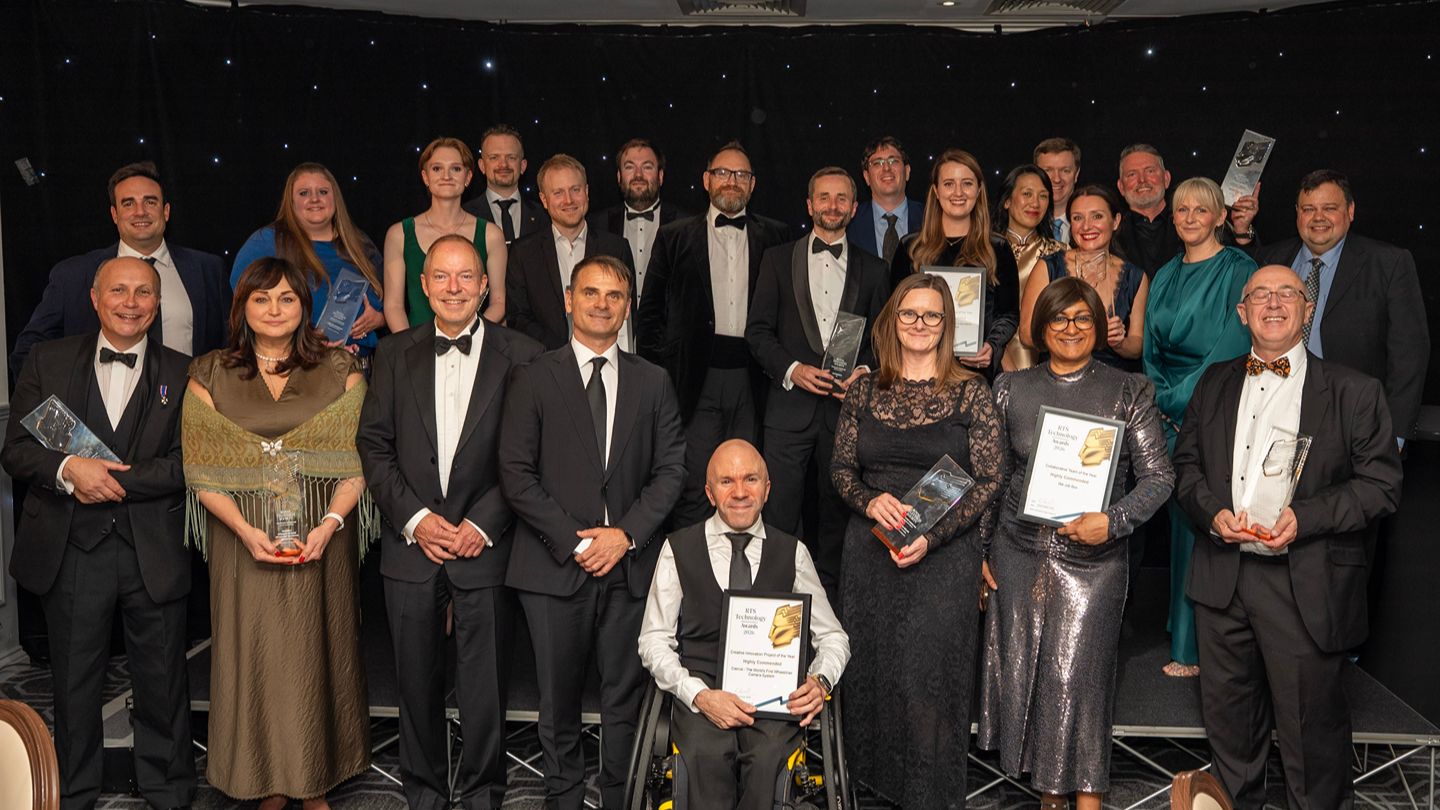
RTS reveals Technology Awards 2026 winners
Evan Shapiro, ITN’s Jon Roberts, and On Air 2025 were among the winners of the RTS Technology Awards 2026.
.webp)
France Télévisions and TDF test 5G broadcast of Diagonale des Fous
For the mountain ultramarathon Diagonale des Fous, TDF has rolled out a 5G broadcast trial in partnership with France Télévisions, Antenne Réunion, and Web TV Grand Raid.
 (1).jpg)
CNN and Financial Times sign AI deal with Google
CNN has signed a strategic multi-year partnership with Google, which will see the organisation provide enhanced content rights for Google’s generative AI news product pilots.
 (1).jpeg)
150 students take over On Air 2026’s five-channel broadcast
On Air 2026 will see 150 students take charge of the Media Talent Manifesto (MTM) broadcast’s 24-hour culture, news, sport, film, and kids channels on 22–23 October 2026.
.jpg)
IBC calls for Challenge submissions for 2027 Accelerators
IBC has launched the official call for Challenge submissions for its 2027 Accelerator Media Innovation Programme.
 (2).jpg)
.jpg)