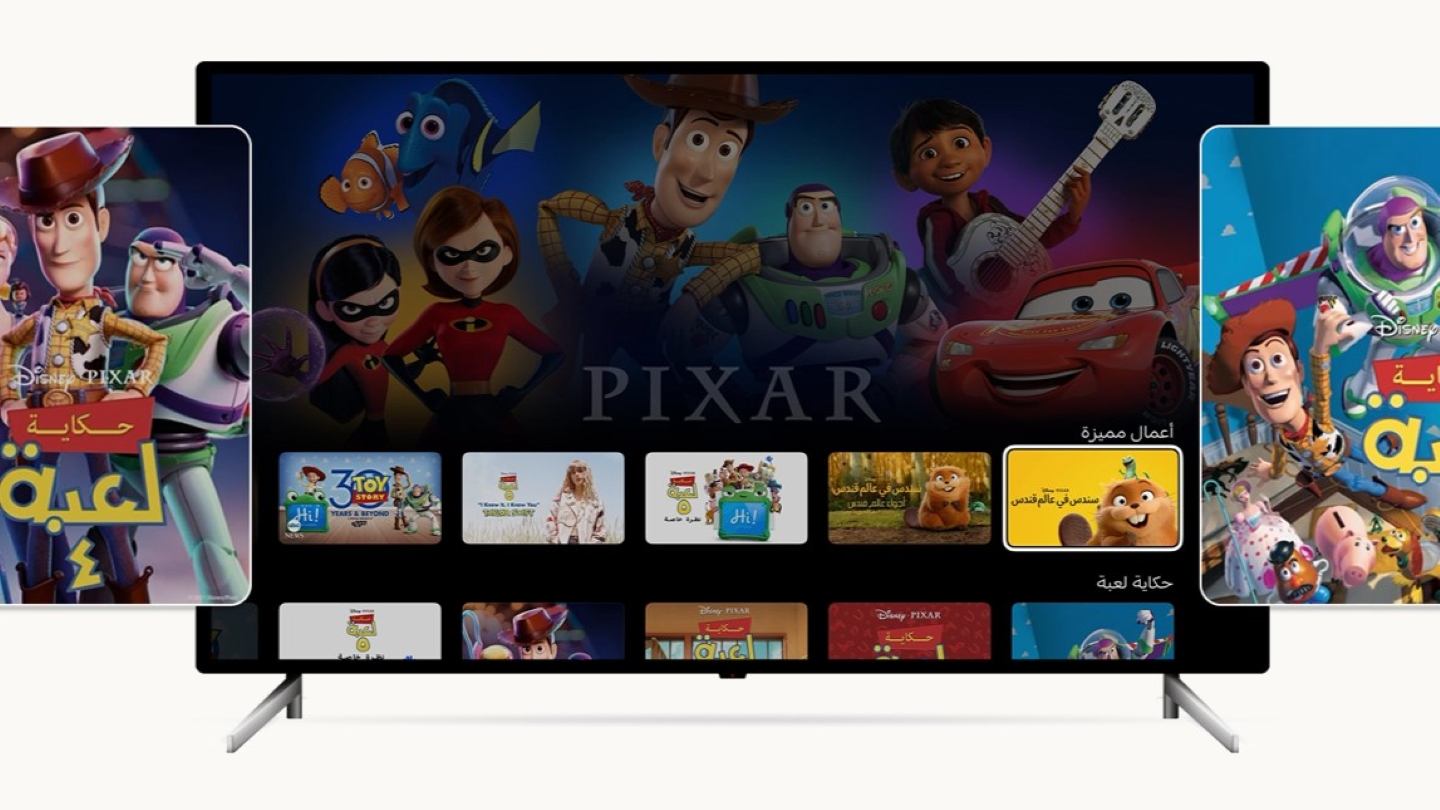
Research from advertising platform XR Extreme Reach has found that subtitles have become mainstream viewing behaviour across streaming, social, and broadcast content in the UK, particularly among younger audiences.
However, for viewers who primarily watch with subtitles enabled, the report notes that ads without subtitles can create a disruptive viewing experience equivalent to the sound unexpectedly cutting out during an ad break.

Across every age group in the UK, audiences say subtitles make them pay more attention to ads (34%), with 18-24-year-olds reporting the biggest lift in ad engagement at 49%.
The company’s Global Accessibility Report surveyed 3,000 consumers across the UK, US, France, Germany, and Spain. It revealed that 79% of UK viewers use subtitles at least sometimes, while 59% of 18 to 24-year-olds use them always or often.
According to XR Extreme Reach, the findings point to a major shift in how audiences consume video content, particularly among younger “subtitle-native” viewers who are increasingly moving away from traditional “sound-on” viewing habits toward text-assisted experiences shaped by platforms such as YouTube, TikTok, and Instagram Reels.
While younger UK audiences over-index on smartphones and tablets, subtitle usage has become the norm across every device, with smart TVs remaining the most widely used screen across all markets.
Bobi Carley, Director at ISBA, the representative body of British advertisers, said: “Advertisers spend enormous amounts trying to capture audience attention, particularly among younger viewers. If audiences are increasingly consuming content with subtitles on, then accessibility can no longer sit separately from effectiveness. Creative needs to reflect how people actually watch today.”
Across all five markets surveyed, 81% of respondents reported no hearing difficulty, yet 80% said they use subtitles at least sometimes, highlighting how subtitles are now used far beyond traditional accessibility needs.
Noreen Connolly, Managing Director at XR Extreme Reach, added: “Subtitling advertising is now a mainstream audience strategy that delivers meaningful value for viewers with and without hearing loss. The industry has made real progress in normalising subtitles across TV and digital. But as viewing habits continue to evolve, subtitles are increasingly becoming part of how mainstream audiences expect to experience everything they watch.”
.jpg)
Sky Sports launches live subtitles for Premier League games
Sky Sports launches Sky Sports has launched a major accessibility initiative across its Premier League coverage, introducing live subtitles and live descriptive audio commentary for matches.
.jpg)
Xbox launches unit focused on film and TV
Microsoft’s Xbox has launched a division to extend its video games into film and television.
 (1).jpg)
Channel 4 names David Brindley as Director of Programmes
UK broadcaster Channel 4 has named David Brindley as its Director of Programmes, responsible for all programming across scripted and unscripted genres.
Disney+ to stream Super Bowl LXI
In collaboration with the NFL, Disney+ will livestream Super Bowl LXI, ESPN’s first-ever Super Bowl production.
.jpg)
Prime Video to exclusively stream the Emmy Awards
As part of a six-year agreement, the Television Academy has established Prime Video as the exclusive global home of the Emmy Awards.
.jpg)
.jpg)