
Proposed by Eviden and supported by Champions BBC, EBU, IMG and Solent University, ‘IP networks: Finding the needle in the haystack’ looks to identify and solve the challenges around IP infrastructure within broadcast facilities created by the orchestration of media flows – namely, how to find the correct device, sender or receiver when there might be thousands in a facility.
As broadcasters transition from traditional hardware to IP and cloud-based systems, they are faced with the daunting task of managing tens of thousands of IP senders, receivers, and nodes, each identified by complex numerical codes. This complexity makes it difficult for operators to locate and manage these devices, leading to increased operational costs, inefficiencies, and sustainability issues. This challenge is compounded by the lack of standardized solutions, with many broadcasters relying on ad-hoc, vendor-specific workarounds that are neither scalable nor reliable.
Peter Brightwell, Research Engineer at the BBC and one of the leaders of the project, speaks to the complexities faced in this new environment: “Many broadcasters are now planning or building IP and cloud-based facilities, where previously they would have used dedicated video and audio connectivity and routers,” he says. “This promises great flexibility and scalability for future operations. But it also brings challenges of identifying devices, senders, receivers, and other resources. Technical operators might be presented with screens of cryptic identifiers, and if it’s difficult for them to find what they need, businesses won’t be able to respond to change quickly and there is also the danger that equipment will be left on when unused because of worries that it can’t be found again easily, with consequent sustainability implications.”...
You are not signed in
Only registered users can read the rest of this article.
.jpg)
Call my agent: Agentic AI begins buying media advertising
AI agents have the potential to automate media transactions at scale, but today’s focus is less about fully autonomous workflows and more on experimentation and efficiencies.
.jpg)
NAB Show New York: The stakes could not be higher
As media, technology, and politics become increasingly intertwined, the stakes extend far beyond the balance sheet.
.jpg)
6G-Holonet: Bringing Star Trek’s comms system to reality
As the 6G-Holonet project sets its sights on live entertainment, cultural heritage sites, and immersive media, Alex Buchan, Chief Technology Officer, DTG, reveals the key technological considerations that have ensured the project’s impact.
.jpg)
ULL-timate goal: How streamers are prioritising ultra-low latency
With audiences expecting instant global information, and broadcasters competing against social platforms that deliver clips within seconds, the race is on to deliver ultra-low latency (ULL) as a competitive edge.
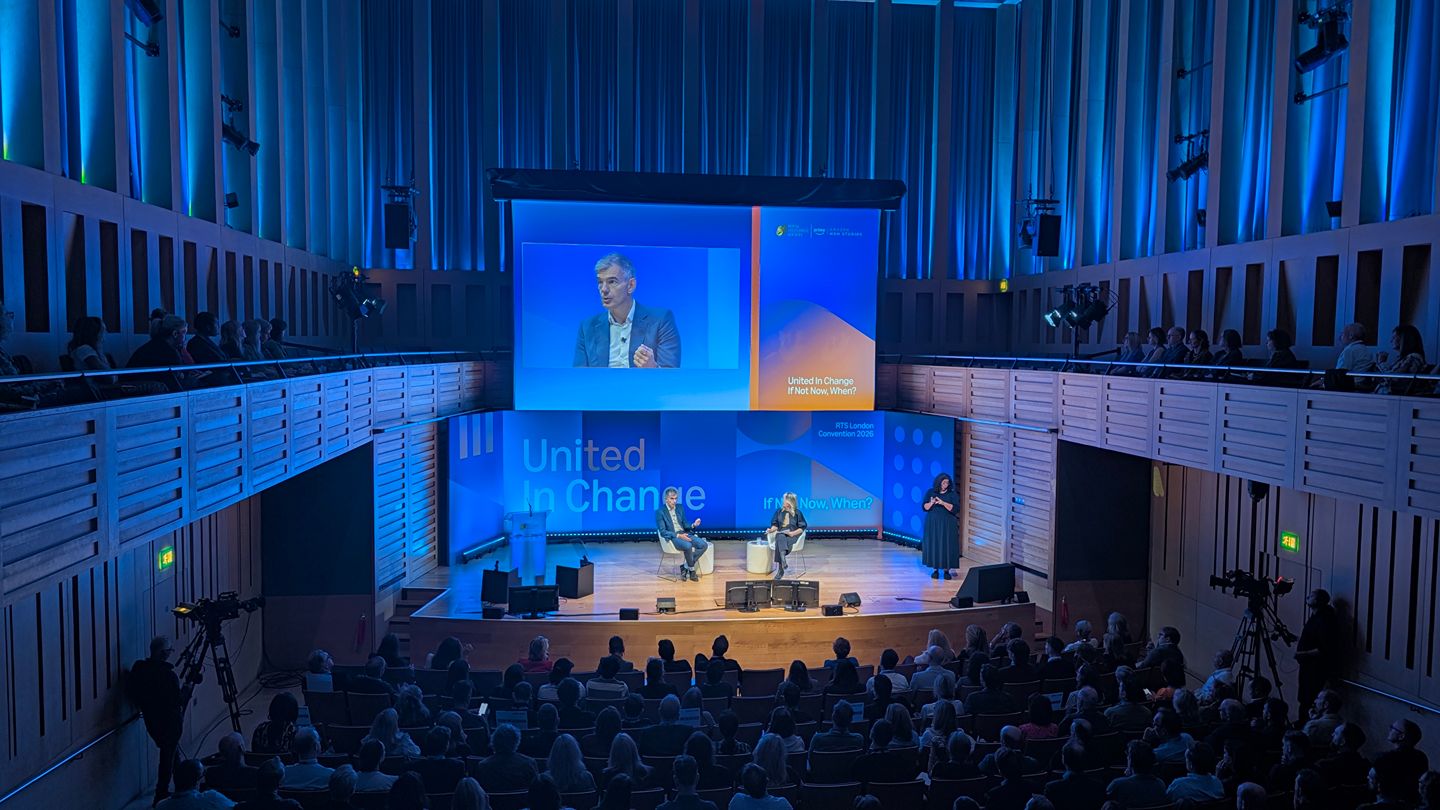
RTS Convention: “The prize for standing still simply isn't an option”
AI was largely sidelined at the annual RTS gathering where the fate of public service media took precedence. Adrian Pennington reports.
.jpg)
.jpg)
.jpg)