A coalition of leading industry players has launched an action plan to support the growth and development of programmatic TV across the UK, Germany, France, Italy and Spain.
Titled ‘A Roadmap for Programmatic TV in Europe’, the action plan proposes five key initiatives to fix the technical, operational, and commercial bottlenecks that still hold the market back.
.jpg)
It is published by the European Programmatic TV Initiative (EPTVI) — backed by The Trade Desk, Google, OpenX, PubMatic, Equativ, Cadent, Magnite, and Adform — and supported by The Project X Initiative.
The roadmap outlines steps to build trust, interoperability, and scale. It also calls for stronger alignment between broadcasters and buyers, arguing that a more connected ecosystem is essential to unlock the commercial and operational benefits of programmatic TV.
The five proposals are:
- Establish a cross-industry steering group to align efforts across broadcasters, agencies, platforms, and trade bodies.
- Define and adopt a set of shared ‘North Star’ principles for quality, transparency, and interoperability in premium programmatic TV.
- Launch a certification programme for premium programmatic partners to give buyers and sellers confidence that commercial and technical standards are being met.
- Develop a set of shared components, assets and frameworks – core components – that can support the adoption of programmatic trading, reduce duplicated effort, and fix the basics that still slow campaigns down.
- Facilitate a collaborative, open and participatory model to support shared learning, including support for live pilots across key markets to test how things work in real conditions.
The findings are based on insights from more than 100 senior stakeholders across Europe’s TV and advertising ecosystem.
The proposals are being taken forward into Stage Two of the initiative, which launches this summer, with support from an Industry Steering Committee involving key industry participants from across the European market.
The report comes at a time when TV audiences are shifting to connected and on-demand environments, creating opportunities for programmatic sales and execution.
However, adoption has been relatively slow, when compared to some other regions, due to misalignments with existing TV ad sales models and regulatory requirements, uncertainties about the commercial benefits, and concerns about sovereignty, control, data and measurement.
Jon Watts, Executive Director of The Project X Initiative, said: “This report is not a theoretical exercise. It sets out a series of practical proposals designed with and for the industry, focused on reducing friction, joining up fragmented systems, and making programmatic TV easier to buy and sell. The proposals are designed to give commercial broadcasters, advertisers and technology providers the confidence to move forward. It’s about turning intent into action.”
Justin Gupta, Head of Broadcast & Video Ads, EMEA at Google, said: “The digital transformation of TV means every broadcaster now has a digital ads business. Although riding two horses can be challenging, this shift opens the door to new buyers and richer targeting. Standardising and automating workflows is critical — it’s how we enable the next wave of innovation in TV advertising.”
Sven Hagemeier, GM, Inventory Development at The Trade Desk, said: “Advertisers today care less about cheap reach and more about value. They're willing to pay higher CPMs when they can use data to manage frequency and target precisely. That drives better results and stronger returns for publishers. The shift is already underway, and it’s powered by privacy-safe identity solutions.”
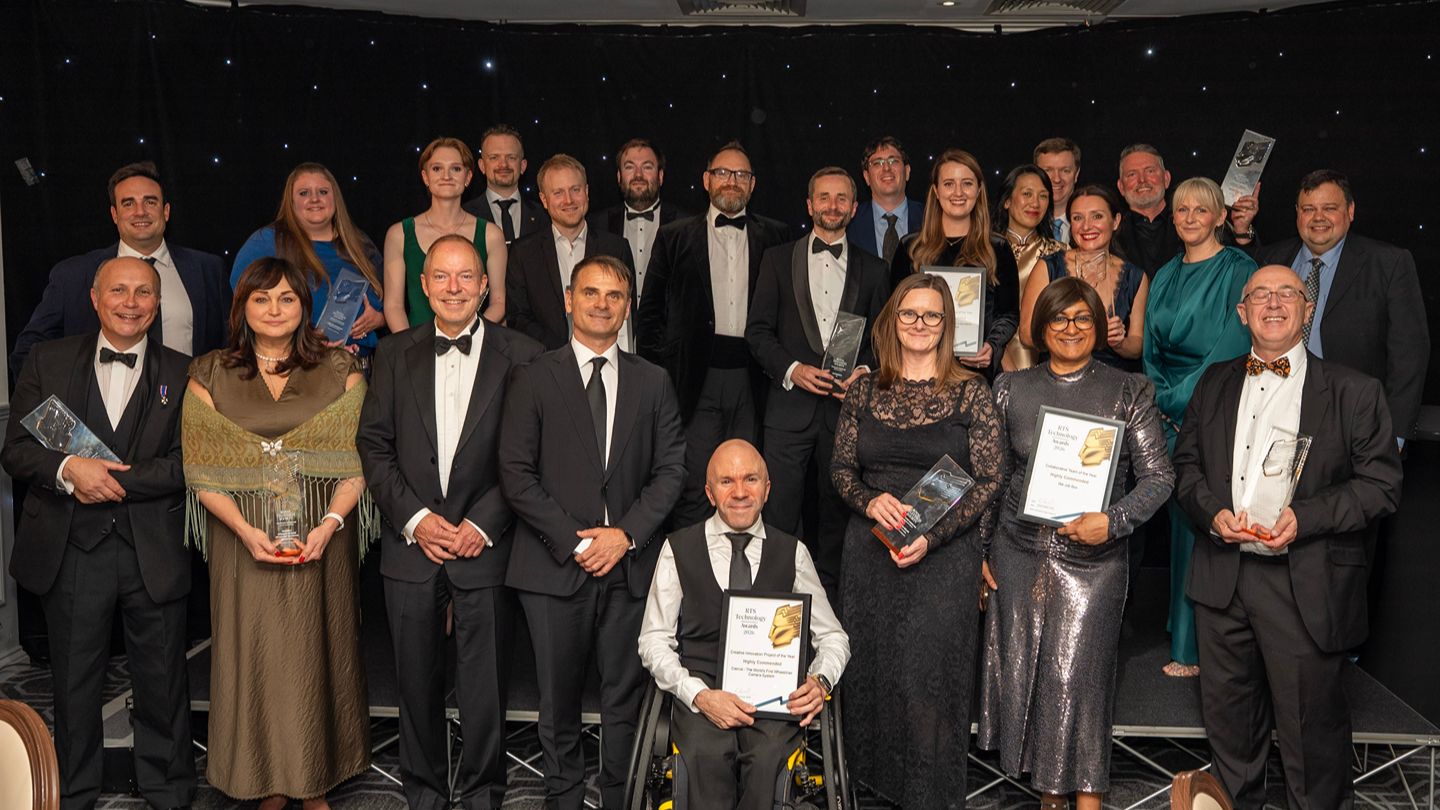
RTS reveals Technology Awards 2026 winners
Evan Shapiro, ITN’s Jon Roberts, and On Air 2025 were among the winners of the RTS Technology Awards 2026.
.webp)
France Télévisions and TDF test 5G broadcast of Diagonale des Fous
For the mountain ultramarathon Diagonale des Fous, TDF has rolled out a 5G broadcast trial in partnership with France Télévisions, Antenne Réunion, and Web TV Grand Raid.
 (1).jpg)
CNN and Financial Times sign AI deal with Google
CNN has signed a strategic multi-year partnership with Google, which will see the organisation provide enhanced content rights for Google’s generative AI news product pilots.
 (1).jpeg)
150 students take over On Air 2026’s five-channel broadcast
On Air 2026 will see 150 students take charge of the Media Talent Manifesto (MTM) broadcast’s 24-hour culture, news, sport, film, and kids channels on 22–23 October 2026.
.jpg)
IBC calls for Challenge submissions for 2027 Accelerators
IBC has launched the official call for Challenge submissions for its 2027 Accelerator Media Innovation Programme.
/2. Channel 4.jpg)