As viewer behaviour reaches a critical tipping point, the BBC Group has struck a deal to produce new programming for YouTube, in an effort to capture younger viewers.
Specifically, the BBC plans to launch YouTube programming that promotes key BBC programme brands, especially to those people who don’t come to the BBC often.
When announcing the partnership, the BBC stated that the partnership is intended to “build targeted communities for UK children and young adults” and “drive commercial growth through global fandoms”.
In particular, the broadcaster will launch seven new children's channels, including The Epic Facts channel, which will feature content from CBBC's Operation Ouch, Horrible Histories, Horrible Science, and Deadly 60. Additionally, the new targeted channel Deepwatch (w/t) will feature new and existing BBC documentaries.
Alongside this, the BBC aims to deliver trusted, high-quality news with “new global channels, real-time live story streams, and innovative story formats”.
The new programming is set to launch on BBC iPlayer and BBC Sounds at the same time.
According to these partners, today's agreement forms part of the BBC’s value for all strategy to ensure BBC content is accessible to all audiences. It also reportedly feeds into its existing digital strategy for third-party channels.
The agreement has arrived at the height of the industry's discussions around the future role of YouTube in the M&E space, as legacy players struggle to ascertain whether the platform is friend or foe, as well as how exactly to work with it.
Approximately one month ago, Ofcom recommended that the BBC deepen its engagement with less satisfied audiences – including those on lower incomes. It suggested that the organisation should innovate and take risks to excite and engage, making content available where people want to watch it, such as on third-party platforms.
Further, in July 2025, the UK regulator called for public service broadcasters to work “urgently" with YouTube to ensure that their content is prominent and easy to find on the platforms, and on fair commercial terms. Ofcom said this is particularly important for news and children’s content, and that there is a strong case for the government to legislate to enable the change.
BBC data found there were 15 billion annual YouTube views of BBC Studio content, with watch time reportedly almost doubling year on year and engagement continuing to grow across key global markets.
In addition to the new programming, the partnership will see the BBC and YouTube invest in the next generation of creators across the UK – by upskilling and partnering with creators and established TV producers who want to create and commission digital-first content.
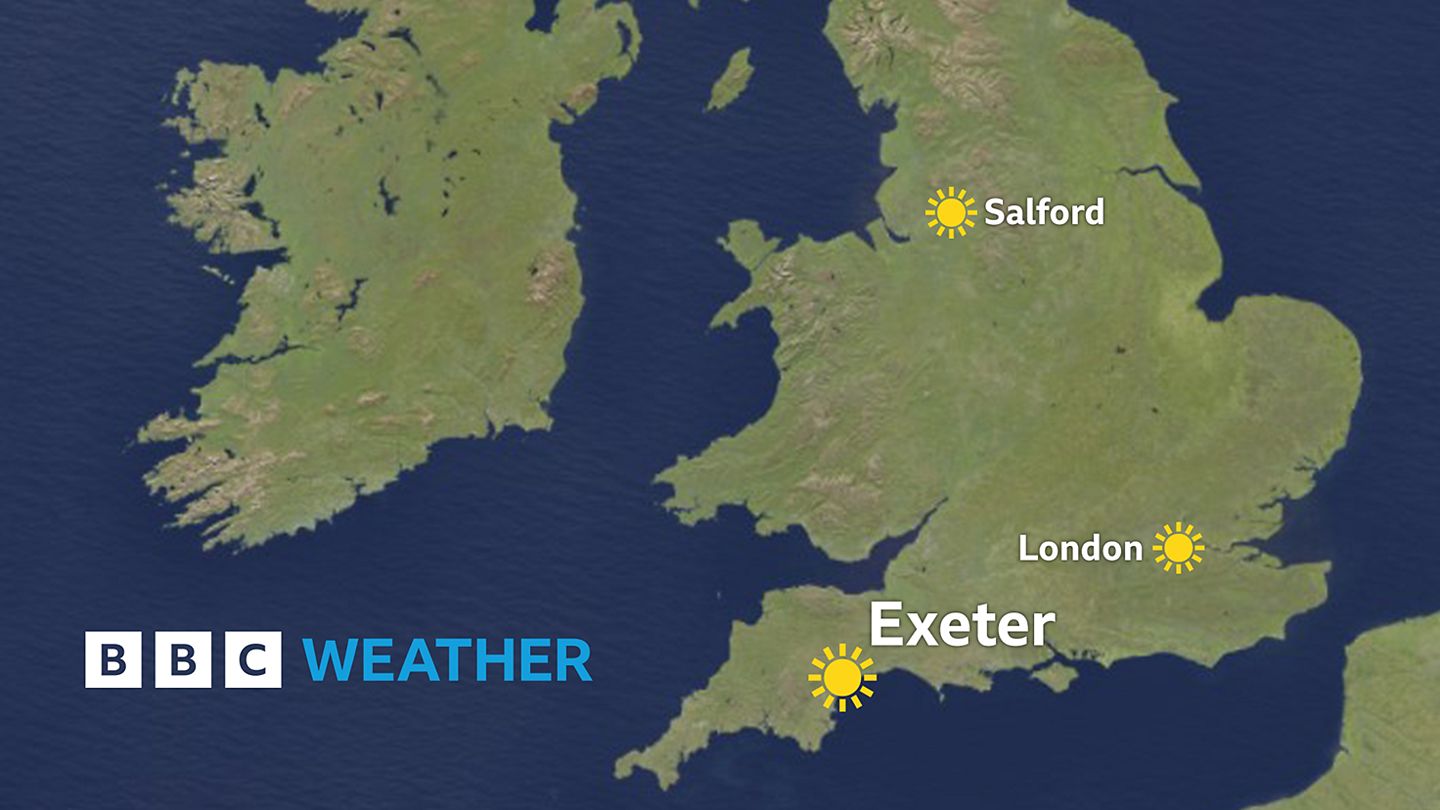
Led by the National Film and Television School (NFTS), 150 media professionals will be invited to develop their YouTube skills with a series of workshops and events. A specially curated training programme will be hosted online and at BBC hubs in Salford, Birmingham, Glasgow, Newcastle, Belfast and Cardiff.
The organisations stated that this is to support the government’s Creative Industries Sector Plan, building on the success of BBC Studio’s TalentWorks and BBC Creator Lab and YouTube’s Launchpad, Accelerators and Masterclass series.
Tim Davie, Director-General of the BBC, said: “It’s essential that everyone gets value from the BBC, and this groundbreaking partnership will help us connect with audiences in new ways. We’re building from a strong start, and this takes us to the next level, with bold homegrown content in formats audiences want on YouTube and an unprecedented training programme to upskill the next generation of YouTube creators from across the UK. Importantly, this partnership also allows new audiences different routes into BBC services like BBC iPlayer and Sounds.”
Pedro Pina, Vice President (VP) EMEA YouTube, added: “We are delighted to partner with the BBC to redefine the boundaries of digital storytelling. This partnership translates the BBC’s world-class content for a digital-first audience, ensuring its cultural impact reaches a younger, more global audience. Beyond the content, our first-of-its-kind training programme represents a deep investment in the UK's creative pipeline designed to empower the next generation of British talent to lead the global creator economy. In doing so, we are not just telling the stories of today; we are building the stage for the storytellers of tomorrow.”
Delving into this topic, four top media analysts recently revealed their data-backed assessments of 2025, as well as their predictions for 2026 and beyond. Discover more here.
 (1).jpg)
BBC licence fee could extend to streaming services
The BBC licence fee could be extended to online streaming services such as YouTube, Netflix, Amazon, and Disney+, according to reports.
 (1).jpg)
Netflix names Peter Rice as Chief Content Officer
Netflix has named veteran Hollywood executive Peter Rice as its Chief Content Officer. In this role, he will be responsible for the streamer’s content in all regions across scripted and unscripted series, film, and live events.
/2. Channel 4.jpg)
Channel 4 launches instant advertising platform
Channel 4 Sales has launched Instant Re4ch, an advertising proposition intended to offer prioritised planning across Channel 4 Sales' portfolio, guaranteeing peak spots across Channel 4, Paramount, and UKTV channels on the same evening.
.jpg)
Netflix scores exclusive rights to 2030 World Cup in Spain
Having secured exclusive rights in Spain and Andorra to the 2030 World Cup, Netflix will show the men's football tournament for the first time.
 (2).jpg)
Ben Frow, Head, Channel 5, to step down
Ben Frow will step down as Paramount UK’s Chief Content Officer next year, after 14 years of overseeing Channel 5 and its digital brands.
.jpg)
.jpg)