
2022 marked the 10th anniversary of the first significant public demonstration of 8K television when NHK and the BBC co-operated to present the London Olympic Games on 15-meter-wide screens in London, Glasgow, and Bradford, writes John Maxwell Hobbs.
Since that time, there has been widespread adoption of Ultra High Definition (UHD) television in the form of 4K, but widespread consumer adoption of 8K TV still remains an elusive target.
8K TV: 8K evolution
8K, also known as UHDTV-2, is 7680 pixels wide by 4320 pixels tall - sixteen times as many pixels as current 1080p HDTV. This is a similar level of detail to 70 mm IMAX film stock. However, UHD’s enhancements are not limited simply to pixel density. It also offers higher dynamic range and an expanded colour space in both its 4K and 8K flavours.
The first significant step on the road to 8K was in May of 2012 when NHK demonstrated the first UHD shoulder mounted camera. The Olympic games transmission followed shortly after and in August of that year, the ITU officially approved the UHDTV standard, incorporating both 4K and 8K resolutions.
The 10 years since then has seen significant consumer uptake of 4K – TV sets can be found for under £300 and there are a large number of 4K channels available. However, the story has not been the same for 8K. Sets that support the higher resolution made up only...
You are not signed in
Only registered users can read the rest of this article.
.jpg)
IBC Content Everywhere: AI gets a reality check at IBC2026
From increasingly sophisticated monetisation strategies to progressively flexible business models, Content Everywhere companies map AI’s influence on the media industry and reveal their technological forecasts for IBC2026.
.jpg)
Content Everywhere stages: Groundbreaking tech and real-world results converge
IBC2026’s Content Everywhere hub in Hall 5 will host nearly 200 exhibitors showcasing multi-platform delivery and monetisation innovations, alongside two stages of panel discussions and live demonstrations.
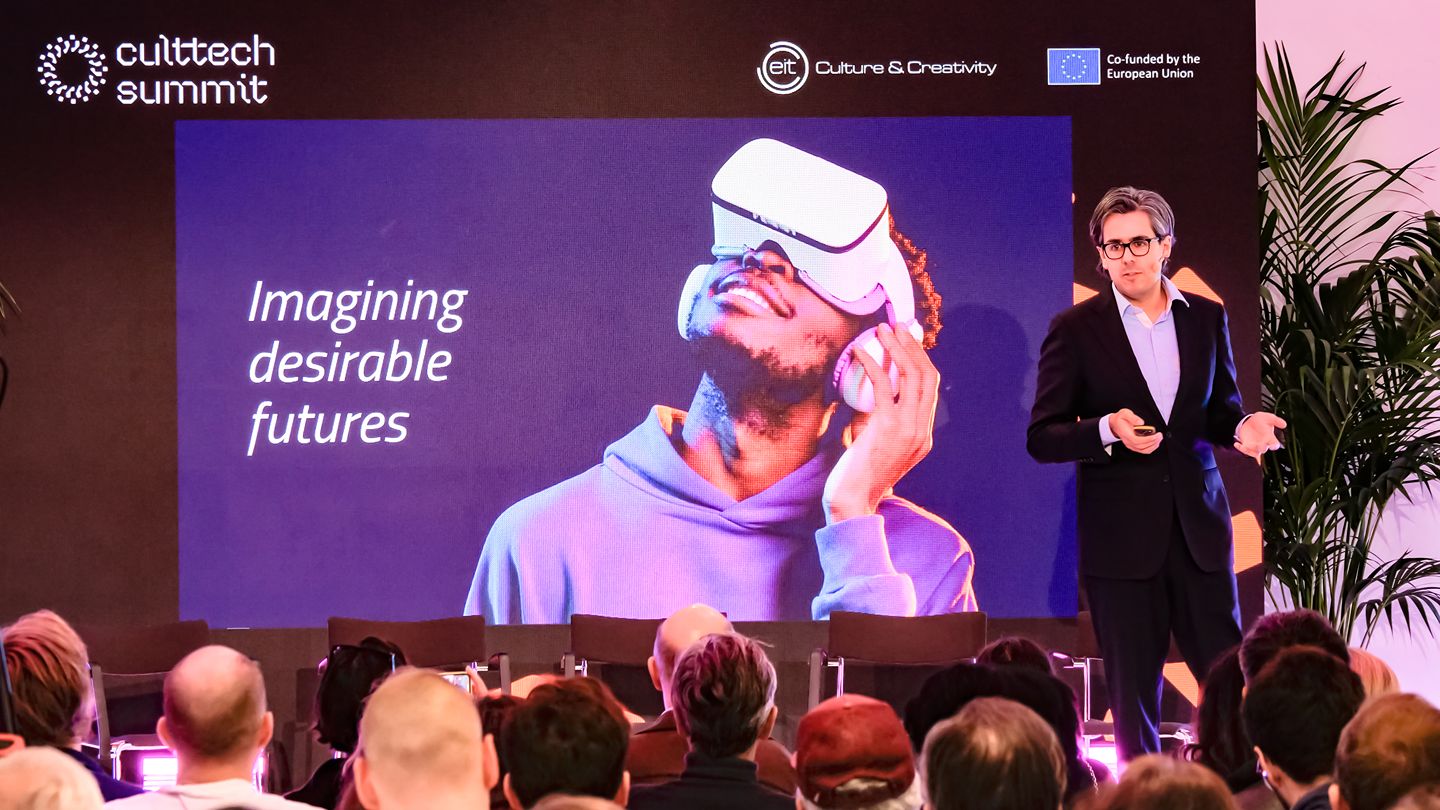
From AI production to immersive media: European innovators to watch at IBC2026
From generative production and AI-powered post-production to content discovery, immersive experiences and next-generation imaging, a group of EIT Culture & Creativity-backed ventures arriving at IBC2026 offers a snapshot of where European media innovation is heading next.
.jpg)
Innovation Awards: Exploring Content Distribution's final three
Amid a sea of competitive entries, Fergal Ringrose, Chair of Judges for the IBC Innovation Awards, breaks down the shortlisted Content Distribution entries to demonstrate exactly what got them over the line.

Network Control: Turning 5G into a production tool
Speed, flexibility, and reliability – that’s the dream for many a live production. However, when public network coverage is patchy, what’s a broadcaster to do? The 2026 Accelerator Project, Network Control, deploys standardised network APIs to tackle this problem head-on.
