
Brazil’s largest broadcaster, Globo, will be introducing the TV 3.0 platform across the country in 2025. This next-generation platform is not simply about remaining competitive with streaming giants - it’s about redefining the viewer experience. John Maxwell Hobbs reports.
Carlos Octavio, Director of Corporate Strategy and Architecture at Globo, describes TV 3.0 as a transformative vision that combines the strengths of traditional broadcast television with the advanced features of digital streaming. He emphasises that TV 3.0 is not just about higher-quality video and immersive audio - it’s about fundamentally enhancing the viewer experience by integrating personalisation, interactivity, and dynamic content management. Octavio has been with Globo for 24 years, starting in IT, and working across various roles related to architecture, infrastructure, and applications. Currently, he is responsible for strategy, data governance, and partnerships and describes himself as an ‘orchestrator’ of the company’s TV 3.0 strategy.
Octavio explains that TV 3.0 aims to deliver a seamless hybrid model, where the line between broadcast and streaming is blurred. “The viewer won’t have to think about whether they are consuming content through broadcast or streaming,” he says. Instead, the focus is on providing a high degree of personalisation by knowing who is watching and delivering content tailored to their preferences, even enabling advanced features like dynamic ad insertion (DAI)...
You are not signed in
Only registered users can read the rest of this article.
.jpg)
Call my agent: Agentic AI begins buying media advertising
AI agents have the potential to automate media transactions at scale, but today’s focus is less about fully autonomous workflows and more on experimentation and efficiencies.
.jpg)
NAB Show New York: The stakes could not be higher
As media, technology, and politics become increasingly intertwined, the stakes extend far beyond the balance sheet.
.jpg)
6G-Holonet: Bringing Star Trek’s comms system to reality
As the 6G-Holonet project sets its sights on live entertainment, cultural heritage sites, and immersive media, Alex Buchan, Chief Technology Officer, DTG, reveals the key technological considerations that have ensured the project’s impact.
.jpg)
ULL-timate goal: How streamers are prioritising ultra-low latency
With audiences expecting instant global information, and broadcasters competing against social platforms that deliver clips within seconds, the race is on to deliver ultra-low latency (ULL) as a competitive edge.
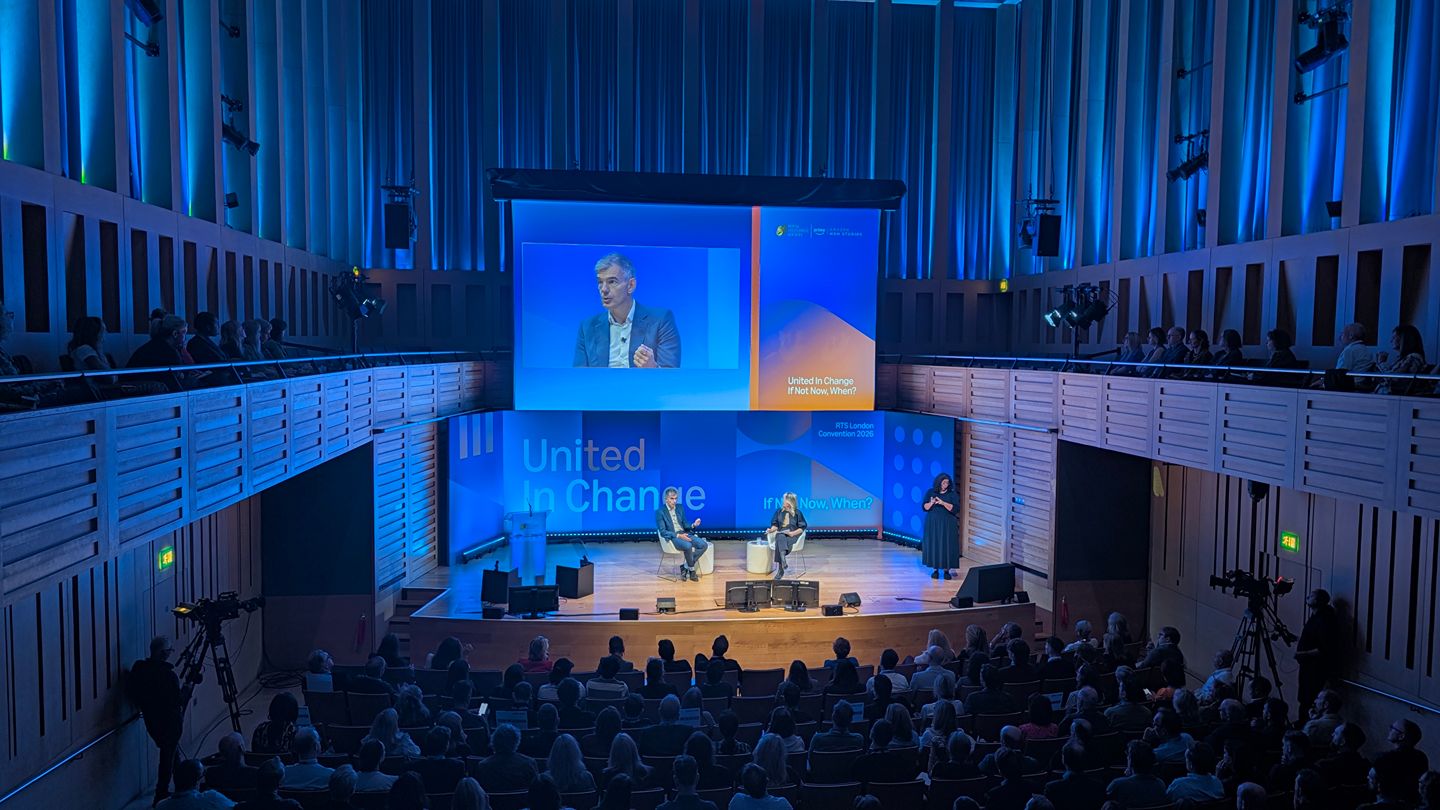
RTS Convention: “The prize for standing still simply isn't an option”
AI was largely sidelined at the annual RTS gathering where the fate of public service media took precedence. Adrian Pennington reports.
.jpg)


