
Illegal live TV streaming in Germany caused total economic losses of approximately €2.4bn, according to Vaunet, the German association for private audiovisual media.
The figure represents a 33% increase compared to a previous study carried out in 2022, and comes despite technical safeguards, legal proceedings, and public awareness campaigns.

Vaunet said that piracy caused the government to lose approximately €542m in taxes and social security contributions annually – an increase of nearly 40% compared to 2022.
The direct economic loss suffered by media companies amounts to approximately €1.5bn, with additional losses arising throughout the wider value chain.
In 2025, approximately 7.7 million people in Germany illegally accessed linear TV streams, with illegal viewing most prevalent among 16- to 33-year-olds.
The study also shows that the willingness to use legal services increases when illegal alternatives aren’t available.
To combat the illegal viewing, Vauent is calling for: clearer and faster takedown obligations; more effective, dynamic blocking measures; and clearer legal accountability.
Goldmedia conducted this research study on behalf of Vaunet.
Frank Giersberg, Managing Director at Vaunet, said: “The figures show that TV piracy remains a widespread phenomenon that causes significant harm to media providers, media diversity, and the public purse. There is therefore an urgent need for more effective measures to curb illegal TV viewing in the long term and thus protect media diversity.”
The Motion Picture Association’s content security initiative TPN issued more security alerts in the first quarter of 2026 than in all of 2025, according to its latest cybersecurity data. Discover more here.
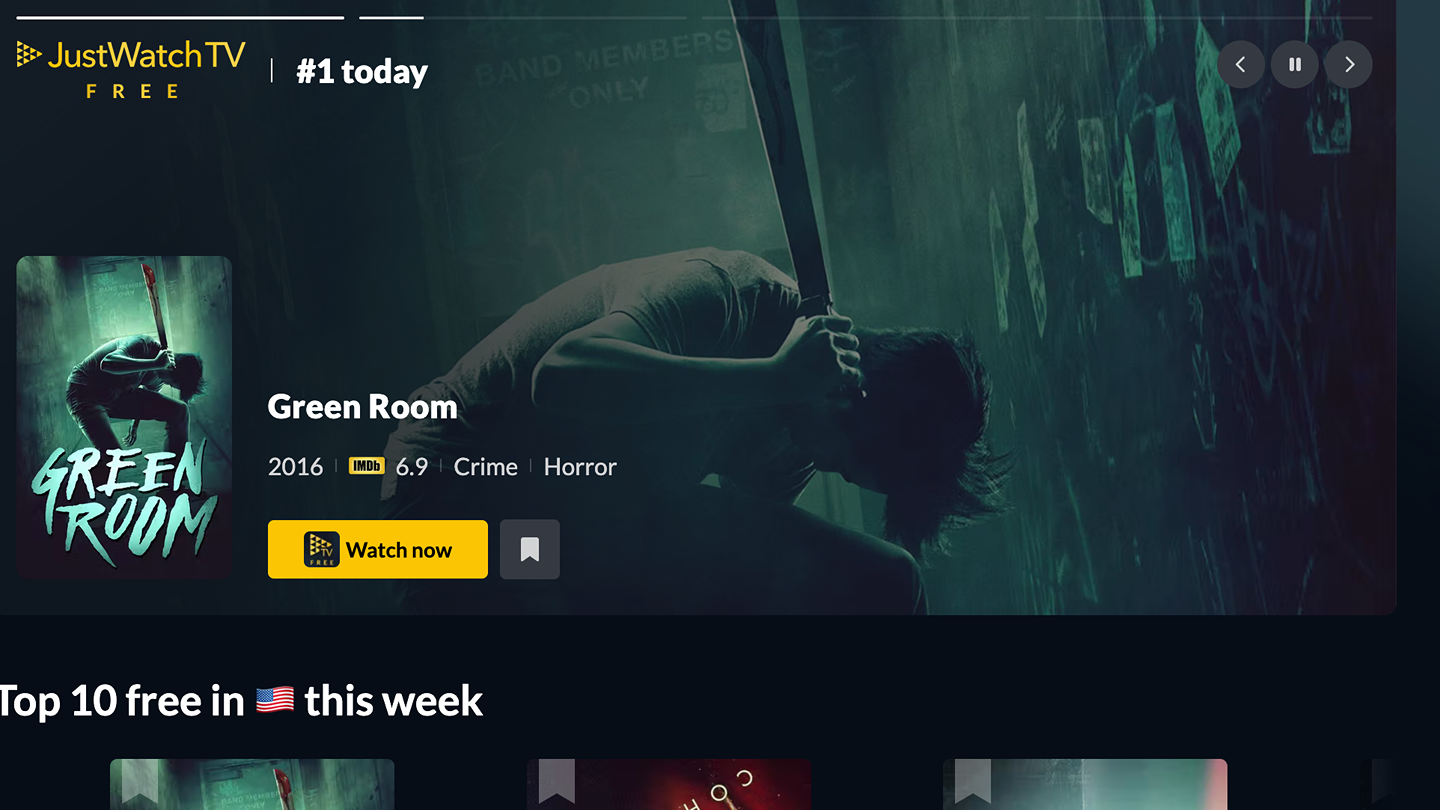
JustWatch to launch own streaming service
Reports say that JustWatch Group, which operates the world’s largest streaming guide, will launch its own streaming service, called JustWatch TV, in October.
.jpg)
CBC/Radio Canada picks Dalet
CBC/Radio-Canada has selected Dalet to modernise its news operations across Canada.
 (1).jpg)
Evergent wins API Gold from TM Forum
Evergent has achieved Gold status in TM Forum’s Open API Conformance Certification programme, advancing from the Silver status earned in the first quarter of 2026.

Dutch telco Odido picks Synamedia Go
Odido, a telecoms operator in the Netherlands, has selected Synamedia Go to support its TV streaming service.
Zixi extends integration with TAG Video Systems
Zixi and TAG Video Systems have announced an extended integration that enables Zixi’s live video delivery and orchestration software platform to leverage TAG’s content matching technology.
 (1).jpg)
 (1).jpg)