
The Motion Picture Association’s content security initiative TPN issued more security alerts in the first quarter of 2026 than in all of 2025, according to its latest cybersecurity data.
The report found a sharp increase in credential-based attacks, misconfigurations, and exploitation of unremediated vulnerabilities during this time. Recent security alerts consistently pointed to the same underlying technical weaknesses. These included: compromised credentials; inconsistent multi-factor authentication (MFA); insecure system and cloud configurations; and delays in patching and vulnerability remediation.
TPN Star Report data reinforces this pattern with vulnerability management, cryptography, endpoint hardening, and access management emerging as the weakest-performing controls areas. It showed: the highest rates of non-compliance; frequent remediation refusals or deferrals; and the slowest remediation timelines.
According to Trusted Partner Network (TPN), the TPN Star Report is the first industry study to analyse large-scale security assessment data to track how cyber risks are evolving across the global content supply chain.

“The TPN Star Report highlights a persistent disconnect between perceived security and actual operational performance,” said Terri Davies, President of TPN. “Organisations routinely overestimate that their controls are effective, especially those that require continuous attention, technical rigor, and operational ownership. Recent technological advances only heighten the urgency to address these gaps before they are exploited.”
“Content security today is inseparable from overall cybersecurity,” said Karyn Temple, Senior Executive Vice President and Global General Counsel for the MPA. “Protecting intellectual property at scale requires the same rigor, operational discipline, and vigilance demanded in other critical, high-risk sectors.”
Overall, the researchers concluded that while most organisations have foundational policies in place, inconsistent day-to-day execution of technical controls is creating systemic and exploitable risk. In response to these findings, the report underscored the need for urgent industry action to ensure continuous monitoring of systems and access, faster remediation of known vulnerabilities, stronger ownership of operational controls, and consistent enforcement of identity and access protections, particularly across third-party environments.
In particular, the research advised the use of Zero Trust architectures, conditional access, continuous authentication, and automated compliance monitoring for highly distributed production environments spanning cloud platforms, remote workforces, and a complex ecosystem of third-party vendors. This is expected to increase the impact of a single compromised credential across the entertainment ecosystemacross the entertainment ecosystem.
While TPN provides the platform and standards for assessing security, fixing any issues is the responsibility of the organisations being assessed.
The Motion Picture Association, Hollywood’s top lobbying group, recently called on OpenAI to protect intellectual property, following the release of video generation model Sora 2. Discover more here.
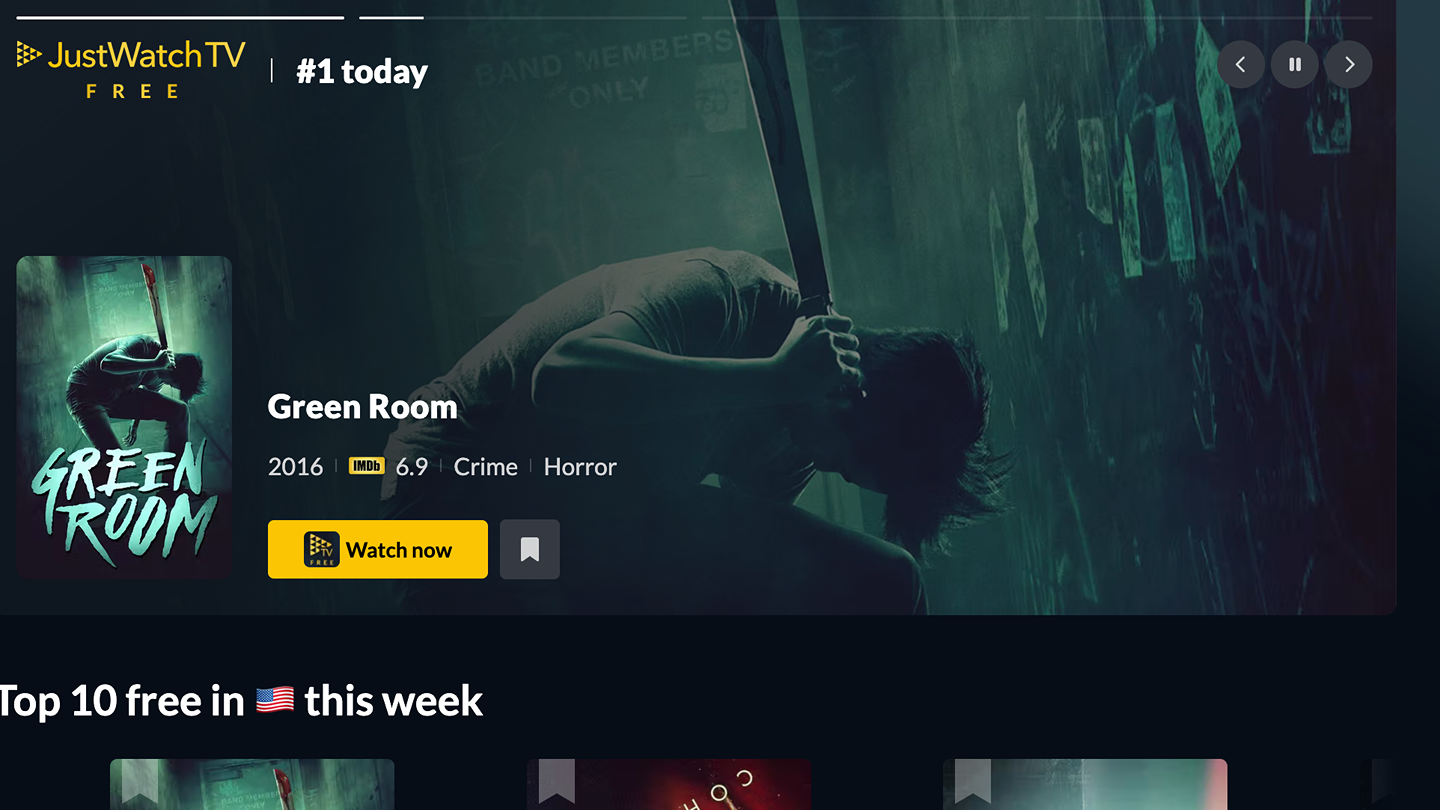
JustWatch to launch own streaming service
Reports say that JustWatch Group, which operates the world’s largest streaming guide, will launch its own streaming service, called JustWatch TV, in October.
.jpg)
CBC/Radio Canada picks Dalet
CBC/Radio-Canada has selected Dalet to modernise its news operations across Canada.
 (1).jpg)
Evergent wins API Gold from TM Forum
Evergent has achieved Gold status in TM Forum’s Open API Conformance Certification programme, advancing from the Silver status earned in the first quarter of 2026.

Dutch telco Odido picks Synamedia Go
Odido, a telecoms operator in the Netherlands, has selected Synamedia Go to support its TV streaming service.
Zixi extends integration with TAG Video Systems
Zixi and TAG Video Systems have announced an extended integration that enables Zixi’s live video delivery and orchestration software platform to leverage TAG’s content matching technology.