
There has been a gradual decline in the prevalence of bullying, harassment, and discrimination in the film and TV industry – falling from 53% in 2021 to 46% in 2022, and 41% in 2024 – according to the Film and TV Charity’s latest report.
Despite these improved findings, many sobering data points remained in the charity’s ‘Workplace bullying, harassment and discrimination in UK film, TV and cinema’ report. For example, 32% of respondents experienced bullying or harassment over the past 12 months, while 19% experienced discrimination. The research also highlighted a culture of silence; over half (53%) of those who experienced bullying, harassment, or discrimination in the past year did not report it to anyone.
Furthermore, 74% of those who experienced bullying or harassment identified their manager as the source, and 42% of respondents do not believe that reports of bullying, harassment, or discrimination would be acted on where they work, regardless of who the perpetrator is. Additionally, 27% of respondents who had a colleague report such behaviour felt unequipped to respond effectively.
.jpg)
The report found that experiences of bullying or harassment in the past 12 months were disproportionately reported by certain demographic groups: individuals with a disability (40%, compared to 30% among those with no disability), neurodivergent respondents (39%, compared to 30% among neurotypical respondents), those caring for adult dependents (38%, compared to 29% among those caring for children and 32% among those with no caring responsibilities), Black and Global Majority respondents (36%, compared to 31% among white respondents), LGBTQ+ respondents (36%, compared to 32% among heterosexual respondents), women (35%, compared to 27% among men), and Hindus (52%), Buddhists (43%), and Muslims (42%).
The data also allowed for more specific details on the nature of discrimination certain groups faced. Namely, 28% of all respondents with a disability reported disability-related discrimination, while 25% of all Muslim respondents reported Islamophobic discrimination. Moreover, 16% of Black and Global Majority respondents reported racial or ethnicity-based discrimination (rising to 25% among respondents of Black, Black British, Caribbean, or African ethnicities).
Meanwhile, 16% of trans and non-binary respondents experienced discrimination based on gender reassignment, and 13% of women experienced sex or gender-based discrimination. Alongside this, 10% of respondents aged 50+ experienced discrimination based on age, and 10% of respondents from working-class backgrounds faced class-based discrimination. Finally, 9% of Jewish respondents experienced antisemitic discrimination.
Intersectional analysis revealed that individuals with multiple marginalised identity characteristics face even greater risks. For example, nearly half (46%) of Black and Global Majority respondents from working-class backgrounds reported experiencing bullying or harassment in the past 12 months – higher than their peers from other combinations of ethnicities and socioeconomic backgrounds.
Both managers and non-managers indicated that establishing a confidential, independent reporting body would be helpful for dealing with reports of bullying, harassment and discrimination. According to the organisation, these findings demonstrated the importance of the forthcoming full launch of the Creative Industries Independent Standards Authority (CIISA), which the charity is committed to working closely together.
%20-%20Medium.jpg)
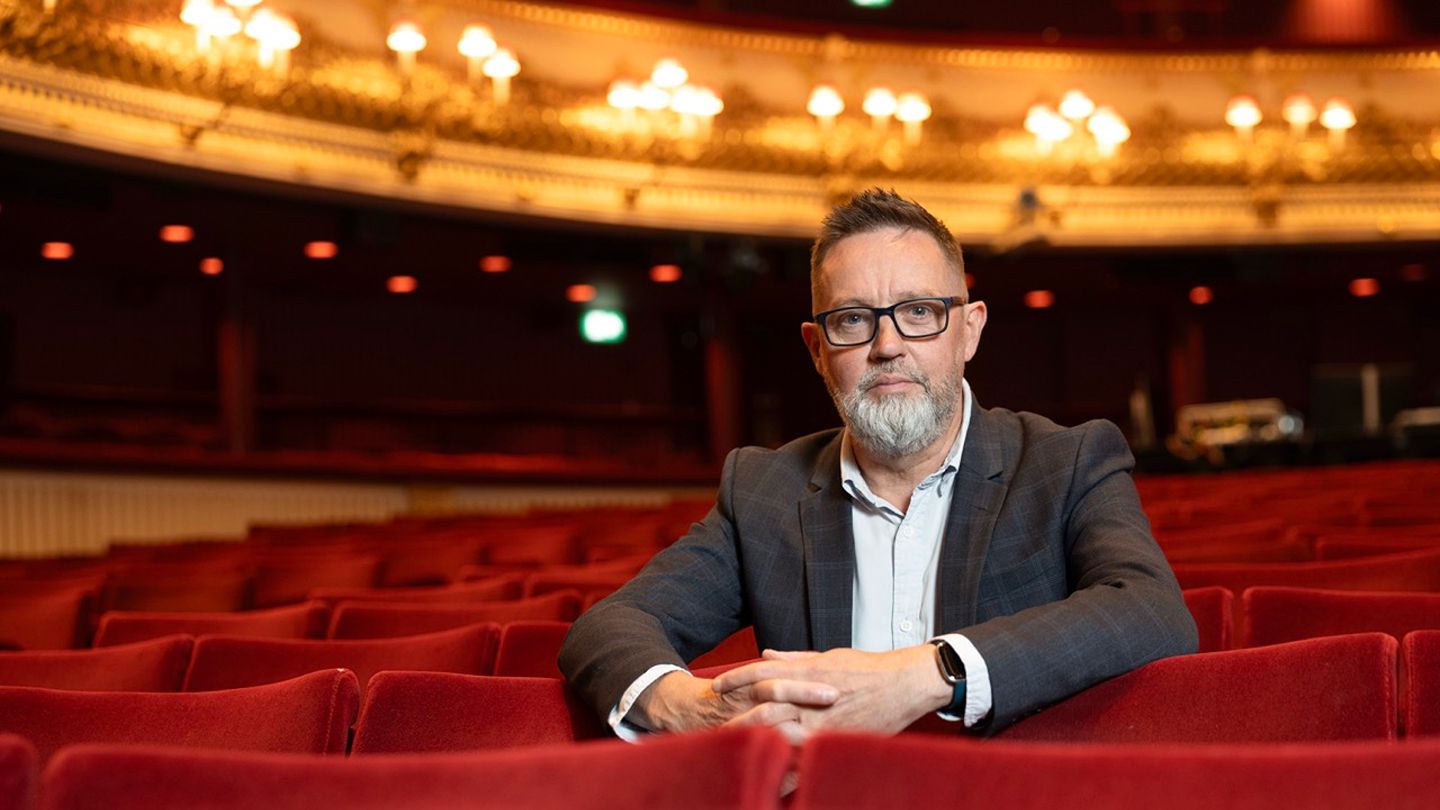
Jen Smith, CEO of CIISA, who provided a guest foreword to the report, said: “The failure to grip this problem has significant economic consequences; workplace conflict leads to a staggering £1.8bn in lost productivity and growth each year in the UK’s creative industries and impacts around 700,000 people. CIISA exists to close the damaging accountability gap that has persisted for too long in our creative sector. The Film and TV Charity’s work in uncovering and addressing the devastating human cost of bullying, harassment, and discrimination in the screen industries is vital, and we are grateful for their valuable partnership, as we work towards our shared aims through our distinctive roles.”
Marcus Ryder, CEO of the Film and TV Charity, commented: “We’ve timed the publication of this latest Looking Glass Deep Dive for Bullying Awareness Week so that it can serve as a call to action – not just for policymakers and industry leaders, but for everyone working in film and TV. The culture of silence the report highlights must end, informal hierarchies must be challenged, and the belief that change is impossible must give way to the conviction that it can – and is – happening.”
Seven in 10 women in the M&E sector have experienced bullying and harassment, according to recent research by creative industries union Bectu. Discover more here.
.webp)
France Télévisions and TDF test 5G broadcast of Diagonale des Fous
For the mountain ultramarathon Diagonale des Fous, TDF has rolled out a 5G broadcast trial in partnership with France Télévisions, Antenne Réunion, and Web TV Grand Raid.
 (1).jpg)
CNN and Financial Times sign AI deal with Google
CNN has signed a strategic multi-year partnership with Google, which will see the organisation provide enhanced content rights for Google’s generative AI news product pilots.
 (1).jpeg)
150 students take over On Air 2026’s five-channel broadcast
On Air 2026 will see 150 students take charge of the Media Talent Manifesto (MTM) broadcast’s 24-hour culture, news, sport, film, and kids channels on 22–23 October 2026.
.jpg)
IBC calls for Challenge submissions for 2027 Accelerators
IBC has launched the official call for Challenge submissions for its 2027 Accelerator Media Innovation Programme.
 (1).jpg)
BBC Three and BBC Scotland linear channels to close
The BBC has confirmed the closure of BBC Three, BBC Scotland, and BBC Radio 4 Extra linear broadcast services in spring 2027.
 (2).jpg)
.jpg)