
According to the latest ScreenSkills and BBC report, there is growing convergence between the film and television industry and the digital content creator (DCC) sector, but more needs to be done to support cross-sector working.
The report, titled Creator Skills: Progression, Provision and Priorities, was conducted by global Creative Industries consultancy Olsberg•SPI.
It calls for greater cross-sector transition support for DCCs entering the film and television industry as well as help for film and television professionals moving into digital-first production.
The study also explores how the film and television industry, alongside creator-sector bodies and government, can help the UK creator sector progress, scale, and build sustainable creative content businesses for the future.

The report found that many creators develop their skills through informal, practice-based learning and peer mentoring rather than formal training.
It also confirmed that digital platforms provide a lower geographical barrier to creator career entry across the UK Nations and Regions when compared to television and film, and that access to film and television entry networks can still be skewed towards London and bigger cities.
The report notes that creators require a range of creative, business, technical, and transversal skills to succeed. While technical production skills, such as video recording and editing, are fundamental, platform literacy, storytelling, two-way communication with audiences, and resilience are critical skills setting successful creators apart.
It also found that the DCC and film and television sectors share many core creative and technical skills, although many of these are applied differently in practice.
Legal, IP, financial, and employment-management skills become more important as creators scale, particularly when they enter commercial partnerships, hire teams, and seek to protect their original formats.
Online safety, harassment, isolation, and wellbeing pressures are major challenges in sustaining creator careers, especially when audience growth occurs rapidly without appropriate support structures.
Lisa Opie, Executive Chair of ScreenSkills, said: “The Digital Content Creator sector plays a significant part in the UK screen and creative economy, contributing more than £2.2bn to UK GDP and supporting thousands of jobs. This report shows that it’s crucial for the film and TV industry to convene and continue to champion DCCs in the same way we support talent development and training within the wider screen industry, to enable DCCs to build lifelong transversal skills and secure future growth in the sector.
“While the screen industry has really embraced the DCC community over recent years, this study identifies the need for skills training in safeguarding and business best practices to be put in place for the future.”
ScreenSkills recently appointed Sinéad Rocks as its new Chief Executive Officer. Discover more here.

SkyShowtime streaming service to shut down in 2027
Skydance and Comcast closing their pan-European streaming joint-venture SkyShowtime.
.jpg)
UK Culture Secretary Lisa Nandy challenges industry leaders on abuse
Culture Secretary Lisa Nandy has challenged the UK’s top media, entertainment, arts, and sports organisations to explain what they are doing to stamp out bullying and abuse.
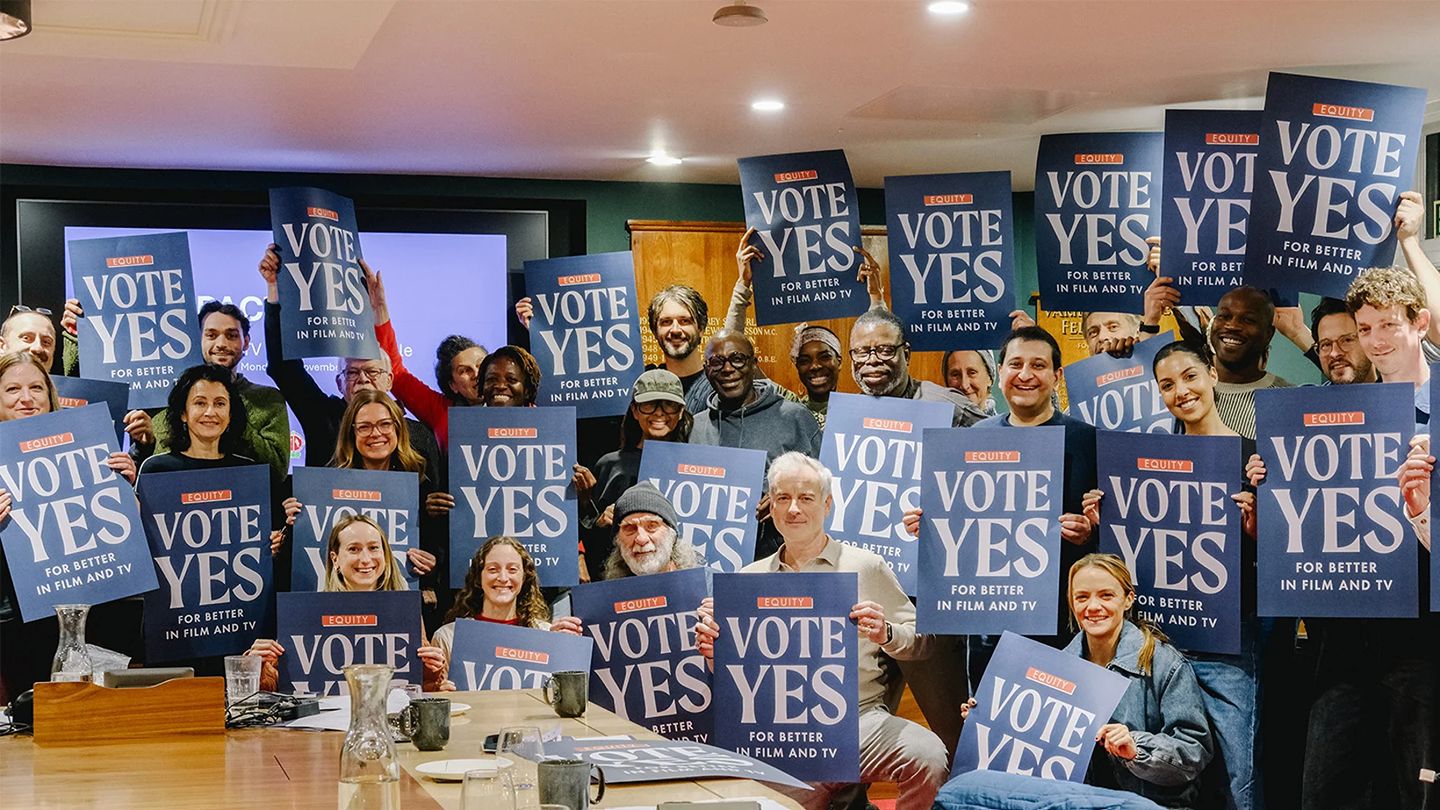
UK union Equity secures AI protections for performers
Actors’ union Equity has secured the first ever collective AI protections for performers in UK film and television, striking an agreement on protections for artists over the use of their digital likeness.

Maria Hellström wins Rise’s Woman of the Year
Advocacy group Rise named the winners of the 2026 Rise Awards last night (Nov 17) in a ceremony hosted at Troxy, London.
 (1).jpg)
Over half of consumers want to reduce their screen time, Ampere reports
More than a third (35%) of UK and US consumers who say they try to limit their screen time actually spent more time on social media over the previous six months, according to new research from Ampere Analysis.


.jpg)
.jpg)