

Oscar-winning Sound Designer Johnnie Burn on why being a runner is still the best route to success and how he creates the unsettling unorthodox worlds for Yorgos Lanthimos, Jordan Peele and Jonathan Glazer.
Oscar-winning Sound Designer Johnnie Burn believes there’s no shortage of people wanting to come into the industry but that postgraduates often have a preconceived notion of what to expect that may not align with commercial pressures.
“Having a degree is a great way to get in but anyone who wants to succeed still has to maintain the attitude that there’s a lot to learn,” he says. “The learning you have from college will take you through the later part of your career much more quickly but unless you go and make tea, no one else in the company going to have that respect for you because they’ve all done it.”
Burn, who created the sonic world for films including Yorgos Lanthimos’s Poor Things, and Jonathan Glazer’s The Zone Of Interest, runs Academy Award and Bafta-nominated audio postproduction house Wave Studios, having grown it with...
You are not signed in
Only registered users can read the rest of this article.
.jpg)
Call my agent: Agentic AI begins buying media advertising
AI agents have the potential to automate media transactions at scale, but today’s focus is less about fully autonomous workflows and more on experimentation and efficiencies.
.jpg)
NAB Show New York: The stakes could not be higher
As media, technology, and politics become increasingly intertwined, the stakes extend far beyond the balance sheet.
.jpg)
6G-Holonet: Bringing Star Trek’s comms system to reality
As the 6G-Holonet project sets its sights on live entertainment, cultural heritage sites, and immersive media, Alex Buchan, Chief Technology Officer, DTG, reveals the key technological considerations that have ensured the project’s impact.
.jpg)
ULL-timate goal: How streamers are prioritising ultra-low latency
With audiences expecting instant global information, and broadcasters competing against social platforms that deliver clips within seconds, the race is on to deliver ultra-low latency (ULL) as a competitive edge.
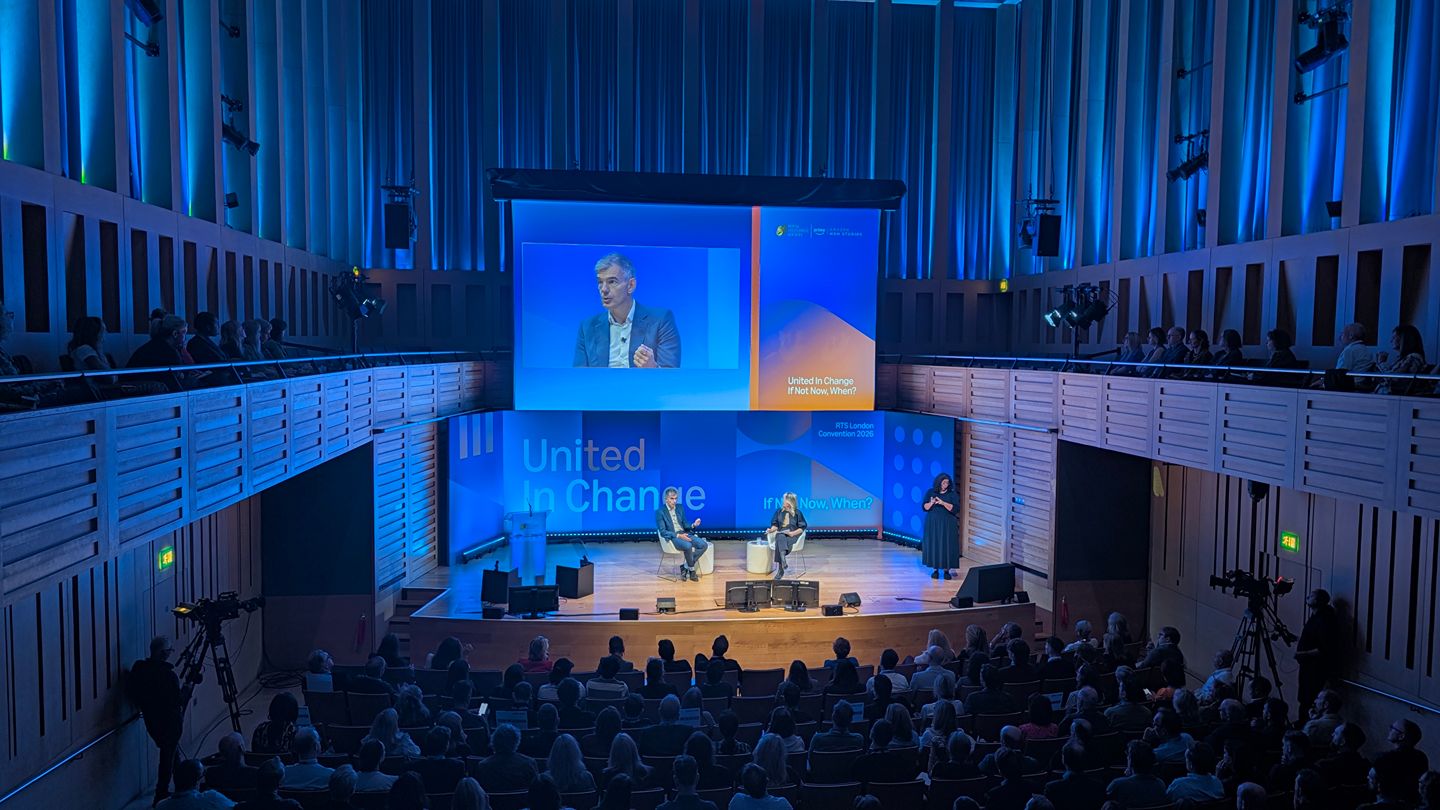
RTS Convention: “The prize for standing still simply isn't an option”
AI was largely sidelined at the annual RTS gathering where the fate of public service media took precedence. Adrian Pennington reports.

.png)