With the spend on advertising dollars reaching fewer people brands are turning to branded entertainment and other content creation channels.
Some are becoming broadcasters, creators and media platforms in their own right.
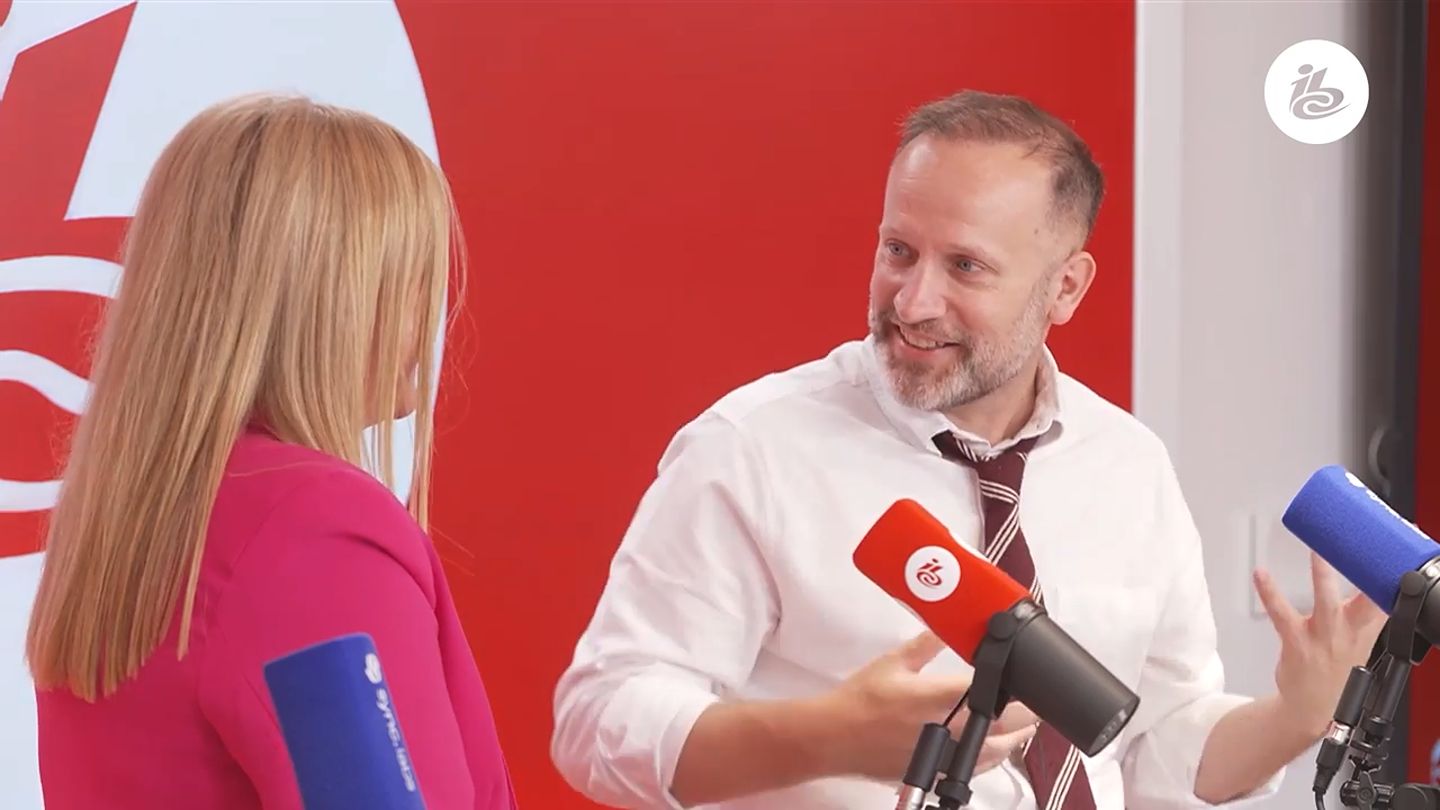
At the panel session "Brands as Media: Reinventing the relationship between content and advertising", Gau Narayanan, MD Europe, Virtue Media Group, said the shift is being driven by both “push” and “pull” forces.
“Brands are being pushed away from conventional advertising as its effectiveness declines, and pulled toward the places audiences now spend their time, which are creator‑led platforms, social communities and entertainment formats.”
Branded entertainment, Narayanan argued, only works when it meets three criteria: audiences must willingly choose to watch it, it must deliver genuine value, and it must drive reach and fame for the brand.
.jpg)
“Brands are looking for places where cost per reach isn’t going through the roof and efficacy isn’t going down. If it doesn’t drive reach and fame, you’re doing it for yourself,” he said.
Noëlla Neffati, Director, Sport, Entertainment, M&C Saatchi, Europe, said the key for sports brands is understanding passion points where rituals, calendars, and communities already exist.
“You rarely create fandom from scratch,” she said. “The question is what can a brand bring to something people already care about?”
She noted that football brands must plan for long‑term engagement, not just campaign spikes.
“It’s easy to activate in September,” she said. “But how do you keep people engaged in February when their team might be out of the competition?”
From the brand‑side perspective, Ksenija Koženkova, Head, Non-Standard Media Partnerships, Innovation, Vinted, said operating inside a company changes the dynamic.
“When it’s good, everyone is excited. When it’s bad, you have to explain why. We look very deeply at performance and creative solutions.”
The panel agreed that brands must now think like studios: developing formats, building communities, and earning attention rather than buying it.
“Audiences are choosing stories, not slogans,” Narayanan said. “The brands that succeed will be those that understand culture, not just marketing.”

IBC2026 Live Blog: Catch up with all the best innovations
Welcome to the IBC2026 Live Blog, getting under the skin of the global media and entertainment industry's biggest and best trade show.
.jpg)
FAST is the next frontier of creator domination
The creator economy is no longer a sideshow in Free Ad-Supported Streaming TV (FAST) but a core channel segment with platforms actively competing for content.
Global student On Air project is already igniting careers
On Air, the global student‑run broadcast initiative, is scaling up in its second year.
.jpg)
The pull era: Why media survival hinges on the phone-centric consumer
To survive, this industry must redefine broadcast, move beyond defunct binaries like "TV viewer" and "mobile user", and put its consumer at the centre of every decision, according to Evan Shapiro's rapid-fire talent programme keynote on the Future Tech Ignite stage.
.jpg)
LA28 set to rewrite the broadcast rulebook
The Los Angeles 2028 Olympic Games are set to become the largest broadcast operation ever attempted.