
.jpg)
Connectivity optimisation, transcription services, and real-time customer support are among the areas of live production where the value of AI-based technologies is increasingly evident, writes David Davies.
If the use of AI to produce and organise archive material was always going to be complex and controversial, then it stands to reason that its deployment as part of live production workflows was likely to be even more hotly debated. Nonetheless, now that we are a few years into the AI revolution, its primary areas of application in live broadcasting are becoming increasingly clear...
You are not signed in
Only registered users can read the rest of this article.
.jpg)
ULL-timate goal: How streamers are prioritising ultra-low latency
With audiences expecting instant global information, and broadcasters competing against social platforms that deliver clips within seconds, the race is on to deliver ultra-low latency (ULL) as a competitive edge.
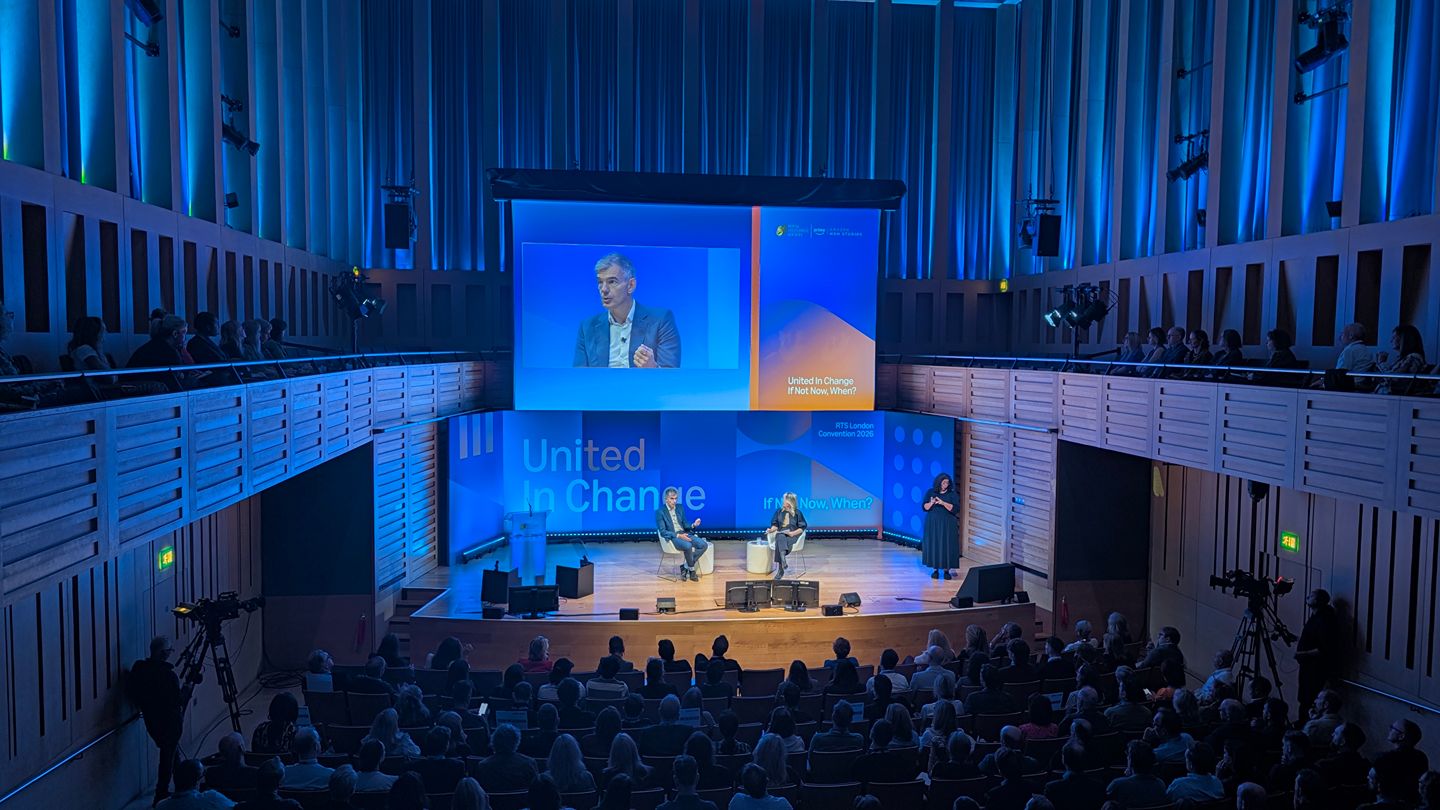
RTS Convention: “The prize for standing still simply isn't an option”
AI was largely sidelined at the annual RTS gathering where the fate of public service media took precedence. Adrian Pennington reports.

Content Everywhere at IBC2026: AI moves from hype to action
Companies from across the Content Everywhere ecosystem highlight what they see as some of the most promising industry developments at IBC2026, while calling out areas where they think the industry has room for improvement.
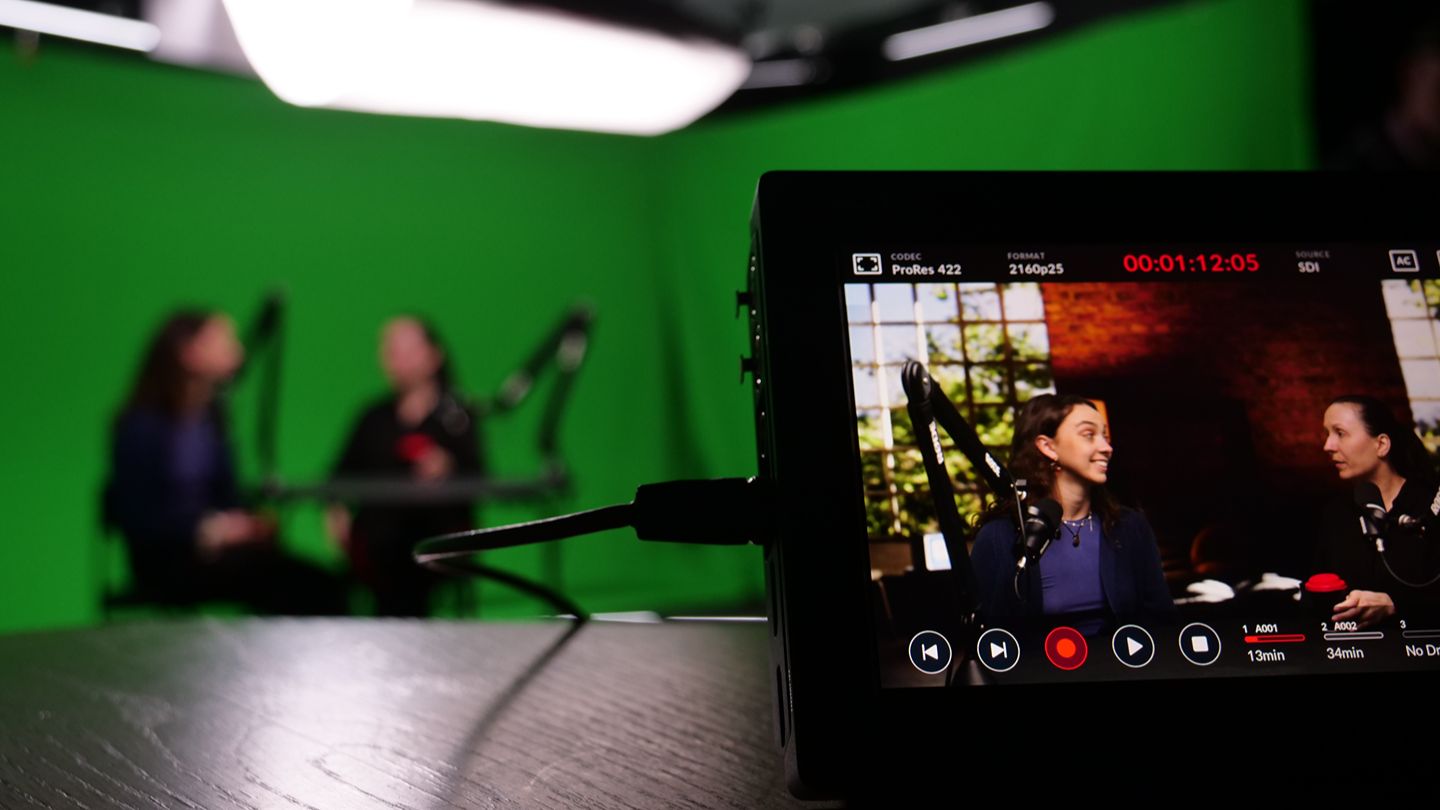
How virtual sets are changing the shape of podcast production
One podcast session can now feed a much wider content package spanning audio and video. Rob Chandler, Founder, CEO, The Dean Street Podcast Studio, explains how that changing demand shaped the studio he built in central London.
.jpg)
Innovation Awards: Collaboration and open standards triumph
The winners of the IBC Innovation Awards were revealed at an event at the Amsterdam RAI, honouring collaborative projects tackling some of the industry's biggest challenges.
.jpg)
.jpg)
.jpg)
.jpg)