
UK Culture Secretary Lisa Nandy has pledged to provide the BBC with a permanent charter for the first time in its history, eliminating the current 10-year renewal process.
Speaking at the Society of Editors conference in London, Nandy unveiled the Government’s new local media action plan, along with a series of funding packages for local media outlets, including radio.
Nandy went on to praise the BBC as a “bright spot on a bleak landscape”, despite its recent challenges. She said that the BBC was the UK’s “most trusted source of news” and that it was “one of the two most important institutions in our country”, along with the NHS.
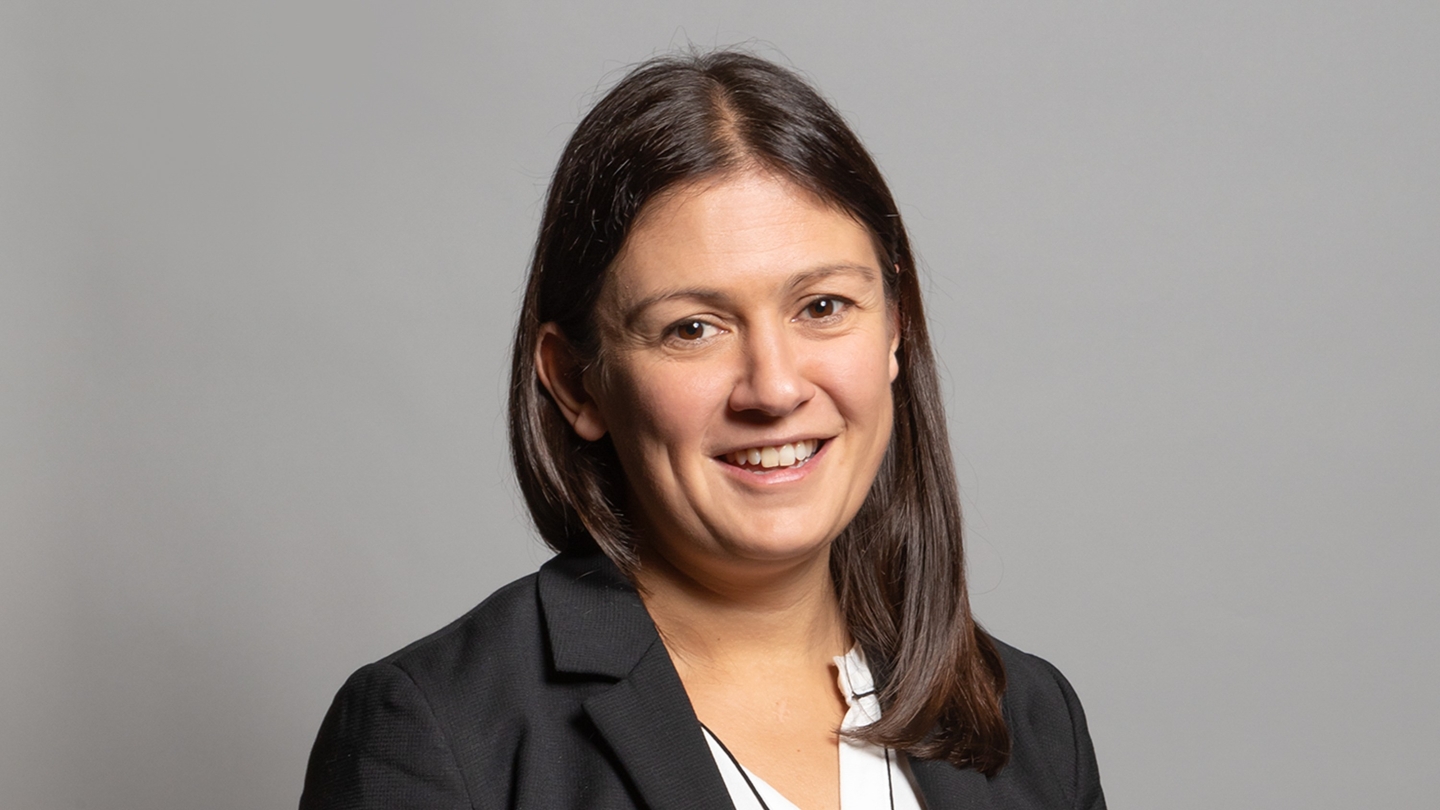
She added: “While the terms, the structures and the funding for the BBC will continue to be negotiated every several years, we should seek to end the bizarre situation where if the Charter isn’t agreed in time, the BBC ceases to exist. We continue to look at the responses to the consultation on the Charter, but the truth is we would not accept this for the NHS, and we should not accept it for the BBC.
“We will act to futureproof this vital institution in these stormy times when public debate feels more toxic and polarised than ever and too often the BBC becomes a lightning rod for the ongoing, exhausting culture wars.”
In a nod to the recent BBC crisis, where questions have been raised around internal bias, potential political influences within the BBC board, and future threats to the existence of the BBC, Nandy continued: “But a future-proofed BBC, does not mean an unaccountable BBC. And in return for this, I will demand that the ethos of public service must be at its core at every level, with those at the very top of the organisation expected to answer to the people that they are tasked with representing. No institution has inspired such intense views of debate throughout its 100-year history. And that is why through the Charter Review this year we intend to strengthen the accountability of the leadership of the BBC – not to politicians – but to the people it serves in every nation and region.”
The BBC called for an end to the 10-year renewal process in its response to the Government’s Charter Review consultation, alongside a radical restructure of the corporation’s funding model and changes to board appointments. Outgoing Director General Tim Davie, who is widely reported to be succeeded by former Google executive Matt Brittin, recently made his feelings clear about the Charter renewal process during an appearance on The Rest Is Entertainment podcast with Richard Osman and Marina Hyde. Davie said: “The point is not whether the BBC exists or not, it's how that happens. And the idea that you’ve got a passive action to not renew just allows us to drift off – to me that just doesn't make sense.
“This often gets read, I think, as the BBC not wanting accountability. Nothing could be further than the truth – we need accountability. But I do think the idea of a basic level of charter – I don’t know, there might be an example out there – but an overall charter that has a time length like this, I think there should be a standard provision that just goes forever, basically, until Parliament, or whatever the mechanism is, decides through recent debate – actively, not passively – to say, okay, we don’t want the BBC anymore. But the idea it can just roll off, and it just happens to be the government du jour – to me, I don’t think it’s right.
Read more: Tim Davie on “national asset” BBC World Service: “We should be doubling the funding”
 (1).jpg)
BBC licence fee could extend to streaming services
The BBC licence fee could be extended to online streaming services such as YouTube, Netflix, Amazon, and Disney+, according to reports.
 (1).jpg)
Netflix names Peter Rice as Chief Content Officer
Netflix has named veteran Hollywood executive Peter Rice as its Chief Content Officer. In this role, he will be responsible for the streamer’s content in all regions across scripted and unscripted series, film, and live events.
/2. Channel 4.jpg)
Channel 4 launches instant advertising platform
Channel 4 Sales has launched Instant Re4ch, an advertising proposition intended to offer prioritised planning across Channel 4 Sales' portfolio, guaranteeing peak spots across Channel 4, Paramount, and UKTV channels on the same evening.
.jpg)
Netflix scores exclusive rights to 2030 World Cup in Spain
Having secured exclusive rights in Spain and Andorra to the 2030 World Cup, Netflix will show the men's football tournament for the first time.
 (2).jpg)
Ben Frow, Head, Channel 5, to step down
Ben Frow will step down as Paramount UK’s Chief Content Officer next year, after 14 years of overseeing Channel 5 and its digital brands.
.jpg)
.jpg)
.jpg)
.jpg)