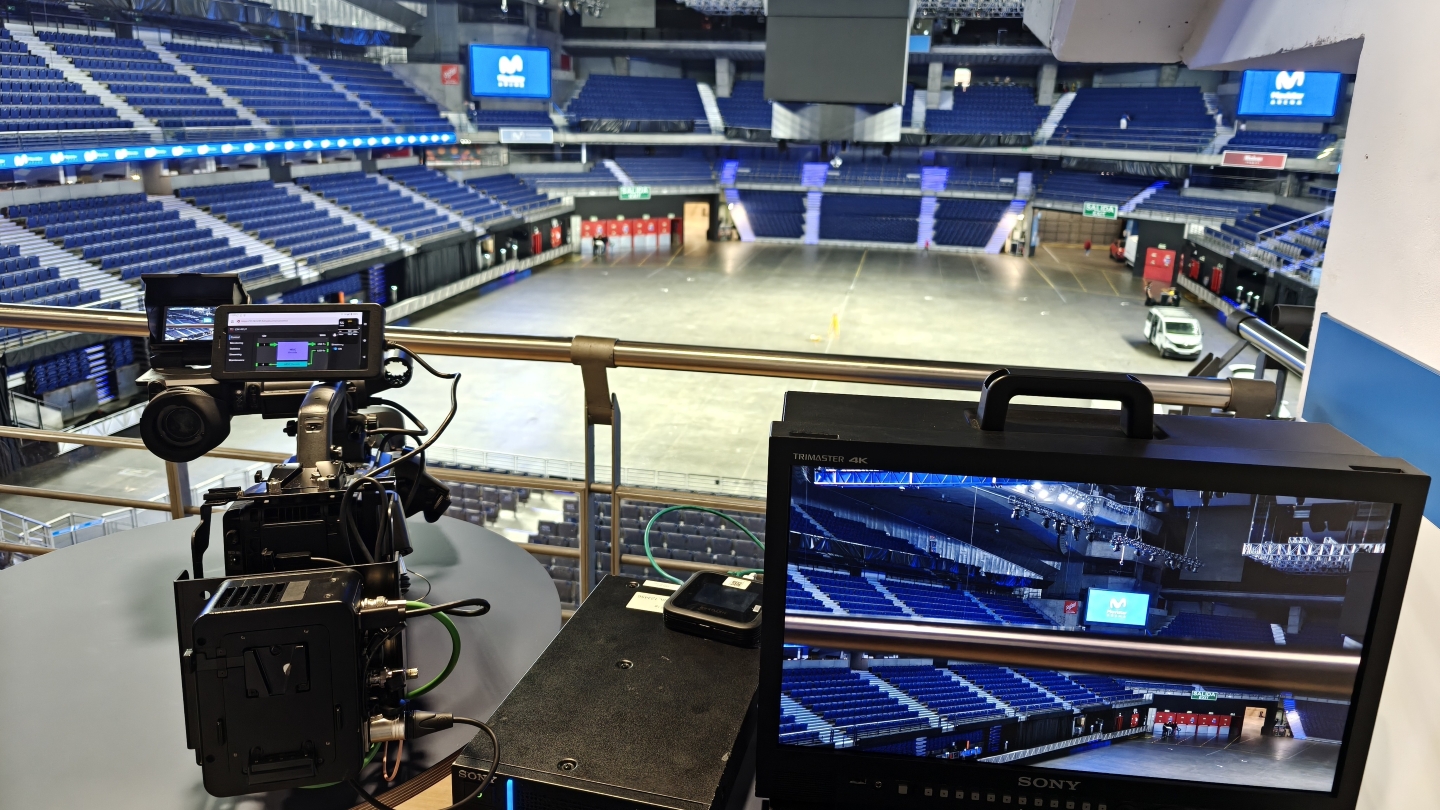
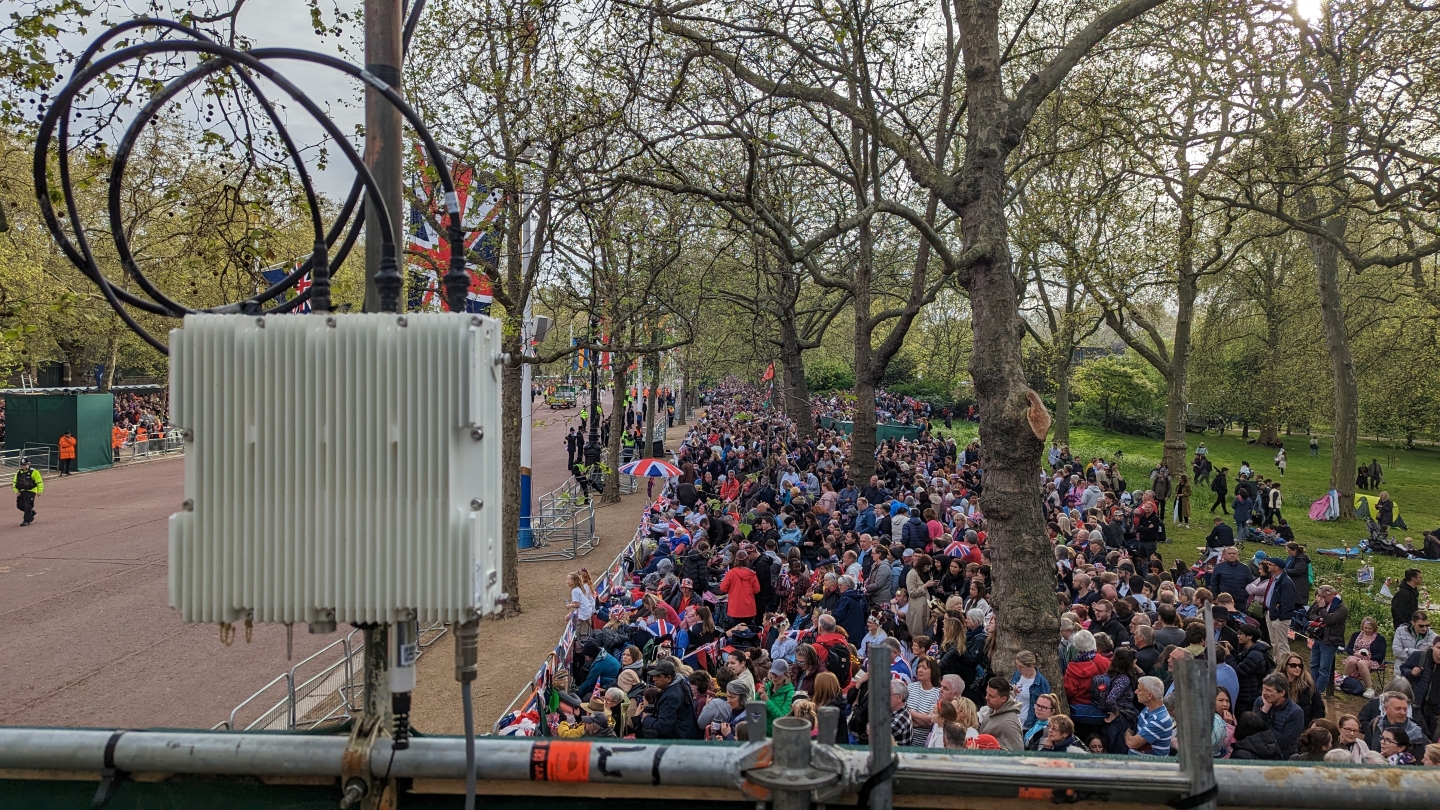
Private 5G is gaining momentum as a connectivity option for live production. As deployments expand across sport, news, and large-scale events, broadcasters are exploring how dedicated networks can support more flexible and reliable production workflows.
Cellular connectivity has been part of live broadcast production workflows for several years, through trials, proof-of-concept deployments, and early operational use. Increasingly, sports events, news broadcasts, and complex live productions are deploying private 5G networks to configure connectivity around the needs of the event rather than the constraints of public infrastructure.
You are not signed in
Only registered users can read the rest of this article.
.jpg)
Call my agent: Agentic AI begins buying media advertising
AI agents have the potential to automate media transactions at scale, but today’s focus is less about fully autonomous workflows and more on experimentation and efficiencies.
.jpg)
NAB Show New York: The stakes could not be higher
As media, technology, and politics become increasingly intertwined, the stakes extend far beyond the balance sheet.
.jpg)
6G-Holonet: Bringing Star Trek’s comms system to reality
As the 6G-Holonet project sets its sights on live entertainment, cultural heritage sites, and immersive media, Alex Buchan, Chief Technology Officer, DTG, reveals the key technological considerations that have ensured the project’s impact.
.jpg)
ULL-timate goal: How streamers are prioritising ultra-low latency
With audiences expecting instant global information, and broadcasters competing against social platforms that deliver clips within seconds, the race is on to deliver ultra-low latency (ULL) as a competitive edge.
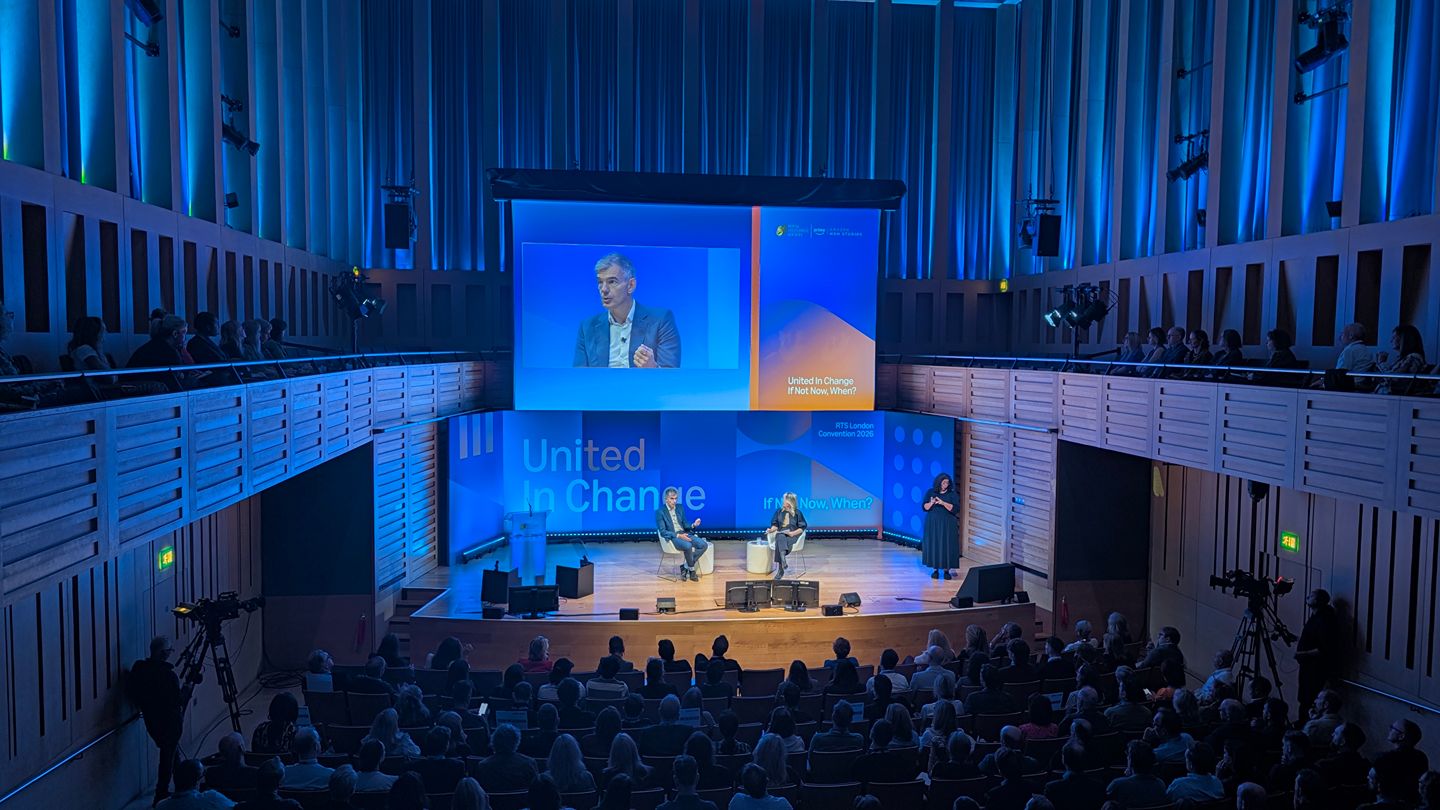
RTS Convention: “The prize for standing still simply isn't an option”
AI was largely sidelined at the annual RTS gathering where the fate of public service media took precedence. Adrian Pennington reports.
.webp)