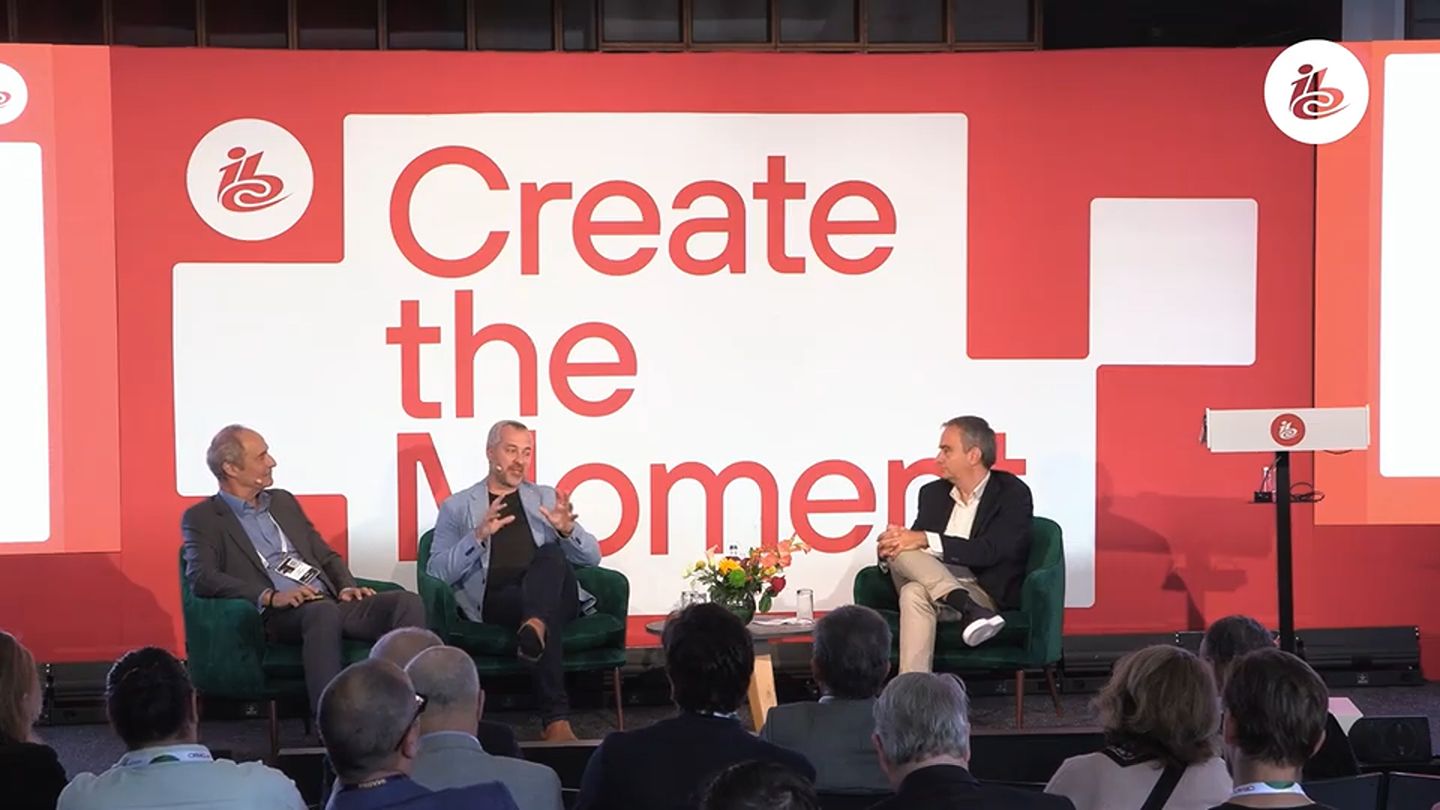
From ongoing trials to Accelerator project reveals, executives from Google and DAZN gathered at an IBC2026 conference session to discuss how the latest AI technologies will transform how sports content is consumed, distributed, and monetised.
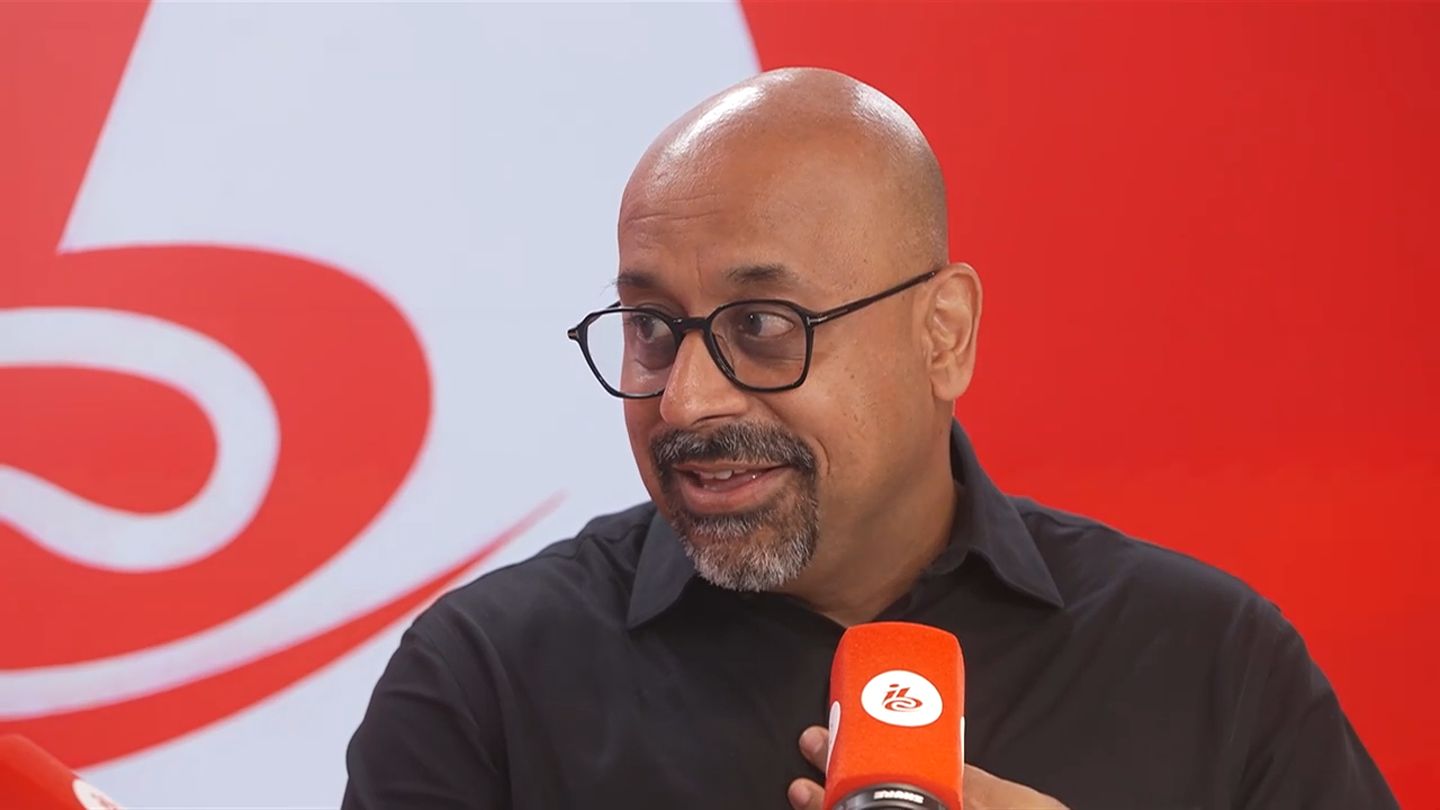
Speaking in the Friday lunchtime slot in the IBC2026 Showcase Theatre titled “Experimental to Essential: AI solutions built for your streaming”, Inderpreet Sandhu, Global Head, CTV Partner Development, Growth, Google Ads, began the presentation by drilling down into his own personal consumption habits, highlighting how much AI is responsible for his content and resulting decisions.
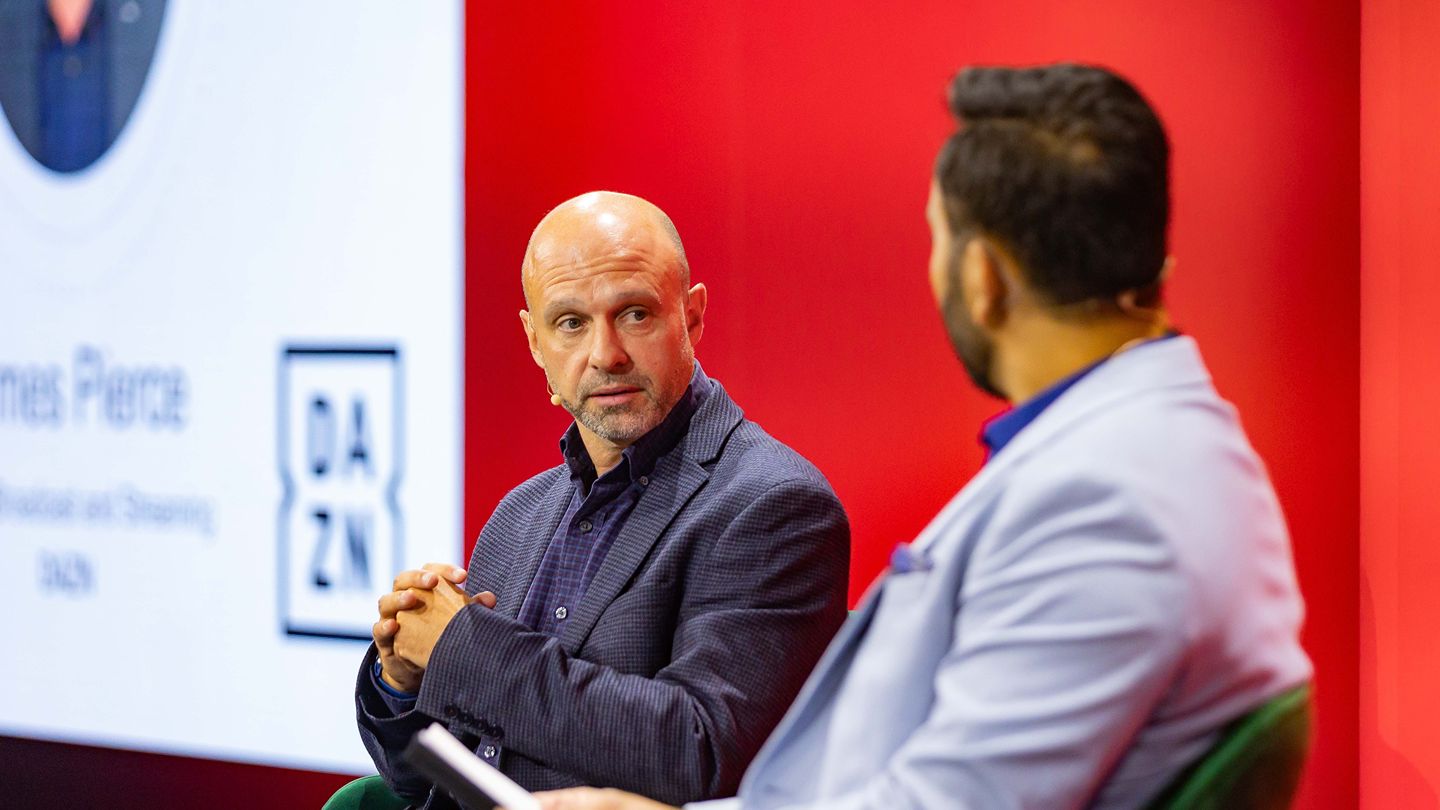
“With streaming, I'm getting recommendations on not just what to watch, but also getting customised ad mode because I have a different tolerance for ads than other consumers do. Getting that customisation is key, and that smart TV surface is the next bastion of where AI is going to really be accelerating what we see and what we engage with and how we interact.”
James Pearce, SVP Broadcast, Streaming, DAZN, took a pragmatic line on improving content monetisation with AI. He said: “I think in the short term, AI is going to have its biggest impact on lower-tier content. DAZN has hundreds of thousands of events each year. If you look at the high-tier content, that's actually quite a small percentage of the overall content we run. There's a huge long tail of lower-tier content. The difficulty with the lower-tier content is justifying any additional cost to do additional things on it, and this is where I think AI is really helping.”
To demonstrate this theory in action, Pearce elaborated on a trial the company is carrying out with Google. The project aimed to increase monetisation of lower-tier content. He explained: “What’s really interesting in the trial we were doing with Google is around doing scene detection to be able to trigger advertising. Instead of having an operator monitor the incoming feed and decide the most appropriate opportunity to insert an ad, we can just use AI to do scene detection and insert the markers automatically. We've had some really good trials on football content where we can detect half time, full time, and then automatically trigger ads.”
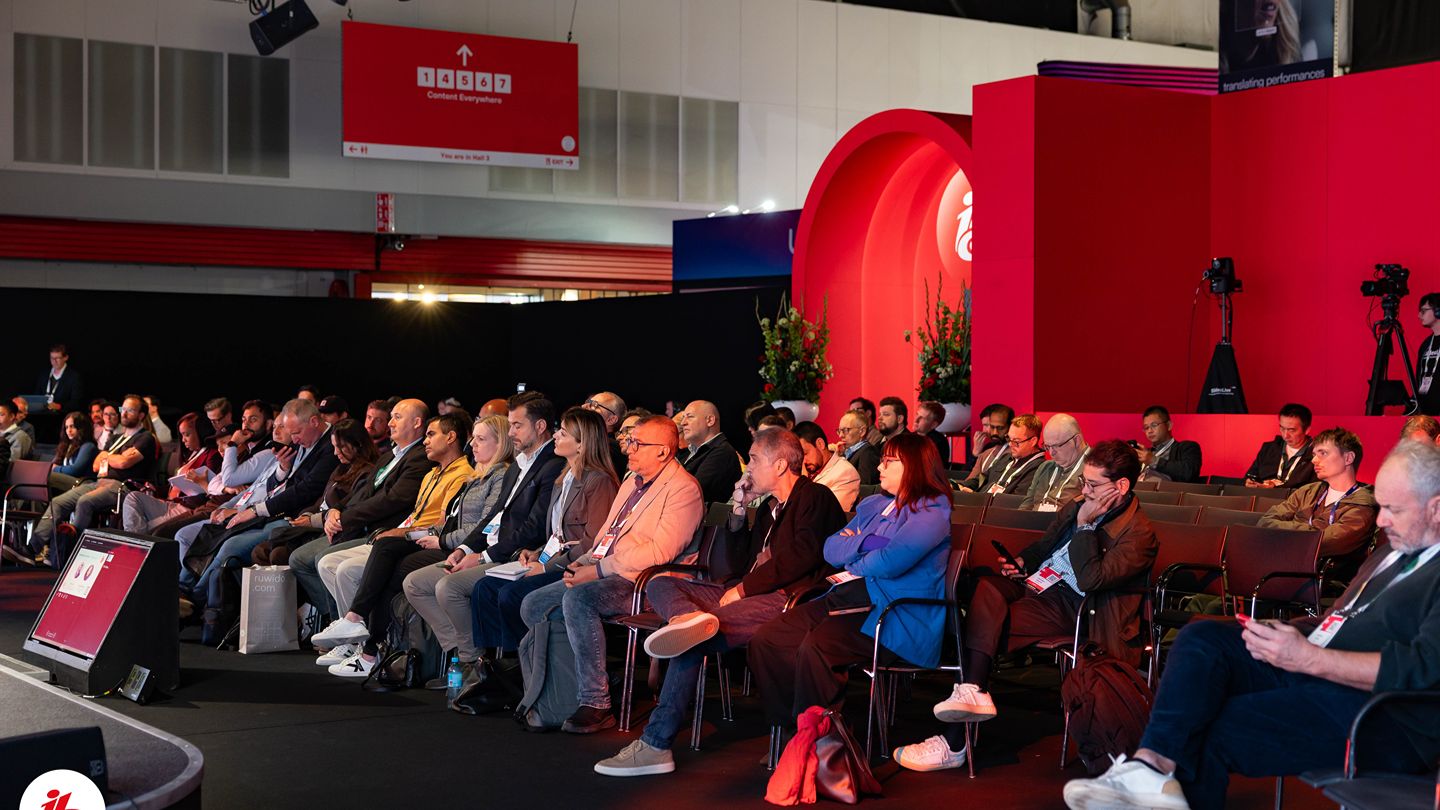
Pearce continued to set out his vision for AI-augmented services, stating: “I think AI is already playing hard in terms of what we do. I think we have quite sort of clean, isolated use cases of AI all the way across the workflow, and we're seeing the value of it. It's all about our tech stack being content aware, but also adapting to that content. I fundamentally believe that we won't truly capitalise on the way we work with AI until we build that foundational AI model that sits underneath everything we do.”
He added: “The first real high-tier event we used Gemini captioning for was the World Cup, both Spanish and English versions. It just used Google Speech-to-Text, and it worked really well. As a result, we could deliver more captions to our customers cost-effectively, and the captioning quality is excellent. I think it just shows what you can do, and when you can start detecting and analysing what's coming in…”
“The initial use case is really just using the transcription capability, but I think when you start also translating into lots of different languages, it really enables that accessibility.”
Expanding on the theme of foundational AI models, Pearce hinted at a big reveal on Day Three of IBC, where the IBC Accelerator – Delta Protocol: The Future of Live Streaming was set to debut. “I think what we've been seeing and what we talked about today is already quite closely linked to what Delta Protocol is, and AI underpins that whole Delta Protocol piece, and so yeah, I think for DAZN that's going to be one of the ways that we deliver AI and innovative tech in the future.”

IBC2026 Live Blog: Catch up with all the best innovations
Welcome to the IBC2026 Live Blog, getting under the skin of the global media and entertainment industry's biggest and best trade show.
.jpg)
FAST is the next frontier of creator domination
The creator economy is no longer a sideshow in Free Ad-Supported Streaming TV (FAST) but a core channel segment with platforms actively competing for content.
Global student On Air project is already igniting careers
On Air, the global student‑run broadcast initiative, is scaling up in its second year.
.jpg)
The pull era: Why media survival hinges on the phone-centric consumer
To survive, this industry must redefine broadcast, move beyond defunct binaries like "TV viewer" and "mobile user", and put its consumer at the centre of every decision, according to Evan Shapiro's rapid-fire talent programme keynote on the Future Tech Ignite stage.
.jpg)
LA28 set to rewrite the broadcast rulebook
The Los Angeles 2028 Olympic Games are set to become the largest broadcast operation ever attempted.
.jpg)