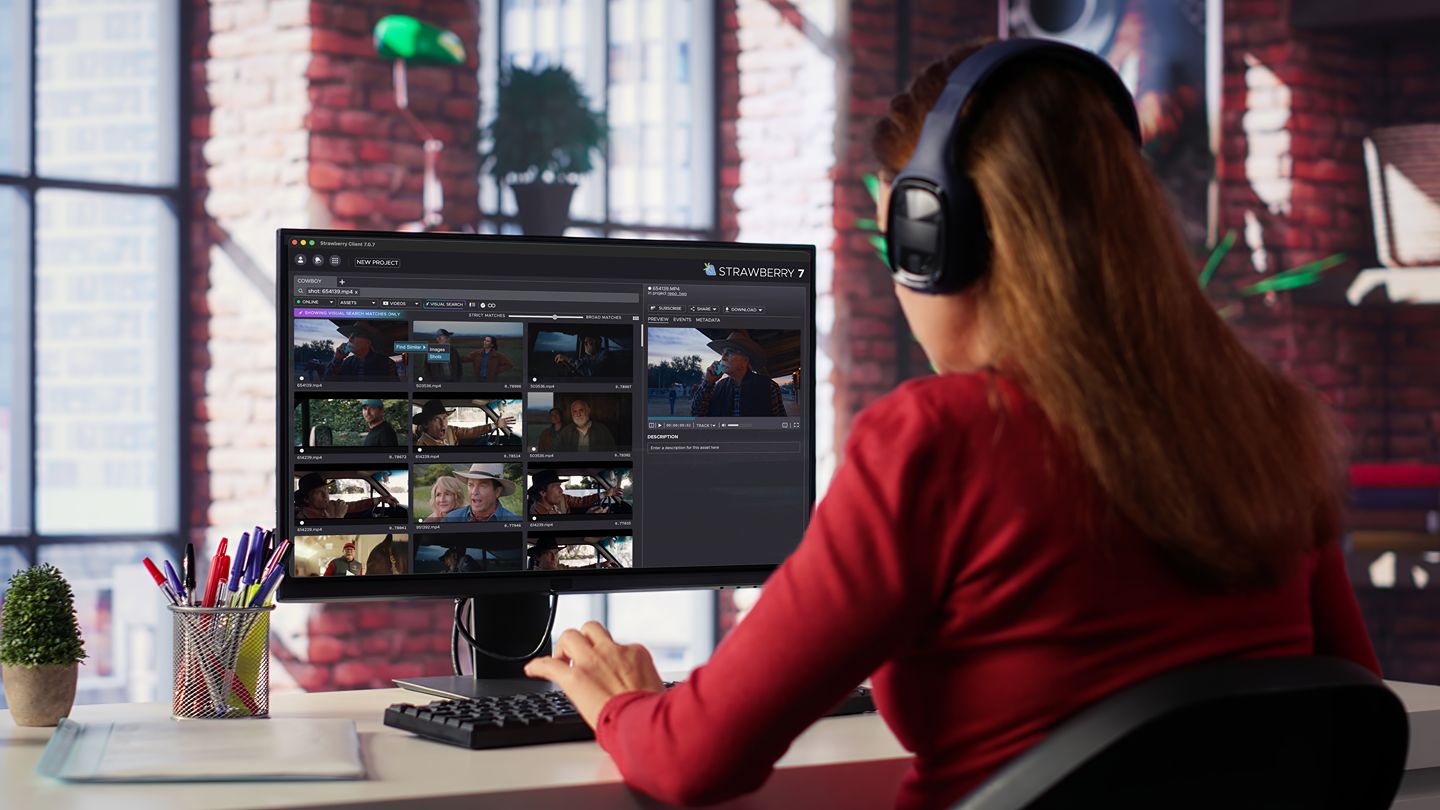

The cloud continues to revolutionise the media and broadcast industry, offering unprecedented opportunities in areas such as scalable storage, content management and distribution, digital workflows, and real-time collaboration.
But for as many problems as the cloud solves for M&E companies, it also creates new challenges that need to be overcome.
For example, cloud platforms can provide geographically distributed data centers that enable media companies to deliver content more efficiently to global audiences. But this, in turn, requires a high performance edge caching and content delivery solution that can handle peaks in demand, reducing latency and improving the streaming experience.
One of the strengths of a cloud storage solution is that it can offer a secure, scalable, and cost-effective option for storing vast amounts of media content. Media assets stored in the cloud can then be organised, tagged, and retrieved easily from anywhere and at any time, empowering broadcasters to efficiently manage their libraries and enable faster content discovery.
With the addition of AI in the cloud, broadcasters and media organisations can enhance content recommendation, automate metadata tagging, as well as enable real-time video analysis and personalised advertising, enhancing user engagement and monetisation.
But…
You are not signed in
Only registered users can read the rest of this article.
.jpg)
Call my agent: Agentic AI begins buying media advertising
AI agents have the potential to automate media transactions at scale, but today’s focus is less about fully autonomous workflows and more on experimentation and efficiencies.
.jpg)
NAB Show New York: The stakes could not be higher
As media, technology, and politics become increasingly intertwined, the stakes extend far beyond the balance sheet.
.jpg)
6G-Holonet: Bringing Star Trek’s comms system to reality
As the 6G-Holonet project sets its sights on live entertainment, cultural heritage sites, and immersive media, Alex Buchan, Chief Technology Officer, DTG, reveals the key technological considerations that have ensured the project’s impact.
.jpg)
ULL-timate goal: How streamers are prioritising ultra-low latency
With audiences expecting instant global information, and broadcasters competing against social platforms that deliver clips within seconds, the race is on to deliver ultra-low latency (ULL) as a competitive edge.

RTS Convention: “The prize for standing still simply isn't an option”
AI was largely sidelined at the annual RTS gathering where the fate of public service media took precedence. Adrian Pennington reports.
.jpg)
.jpg)