
Making sure there is a clearly defined set of user needs is fundamental to the start of every new phase in the ongoing AMWA NMOS project, writes David Davies.
It has – to put it mildly – been an extremely eventful decade for IP-based media. The migration from SDI and other legacy formats was, at least initially, slow and rather fragmented. But with the publication of the first standards in the SMPTE ST 2110 suite in 2017, the trend really started to achieve traction – first in broadcast, then in related markets such as pro- and enterprise AV.
But although ST 2110 provided many pieces of the IP networking puzzle, it soon became clear that there were ongoing challenges around network discovery, registration and connection management. Simply put, every component put onto a network needed to be immediately recognised and its streams easily connected to other devices. Without a clear roadmap to address these apparent ‘gaps’, there was a real danger that IP media would fail to realise its potential...
You are not signed in
Only registered users can read the rest of this article.
.jpg)
NAB Show New York: The stakes could not be higher
As media, technology, and politics become increasingly intertwined, the stakes extend far beyond the balance sheet.
.jpg)
6G-Holonet: Bringing Star Trek’s comms system to reality
As the 6G-Holonet project sets its sights on live entertainment, cultural heritage sites, and immersive media, Alex Buchan, Chief Technology Officer, DTG, reveals the key technological considerations that have ensured the project’s impact.
.jpg)
ULL-timate goal: How streamers are prioritising ultra-low latency
With audiences expecting instant global information, and broadcasters competing against social platforms that deliver clips within seconds, the race is on to deliver ultra-low latency (ULL) as a competitive edge.

RTS Convention: “The prize for standing still simply isn't an option”
AI was largely sidelined at the annual RTS gathering where the fate of public service media took precedence. Adrian Pennington reports.
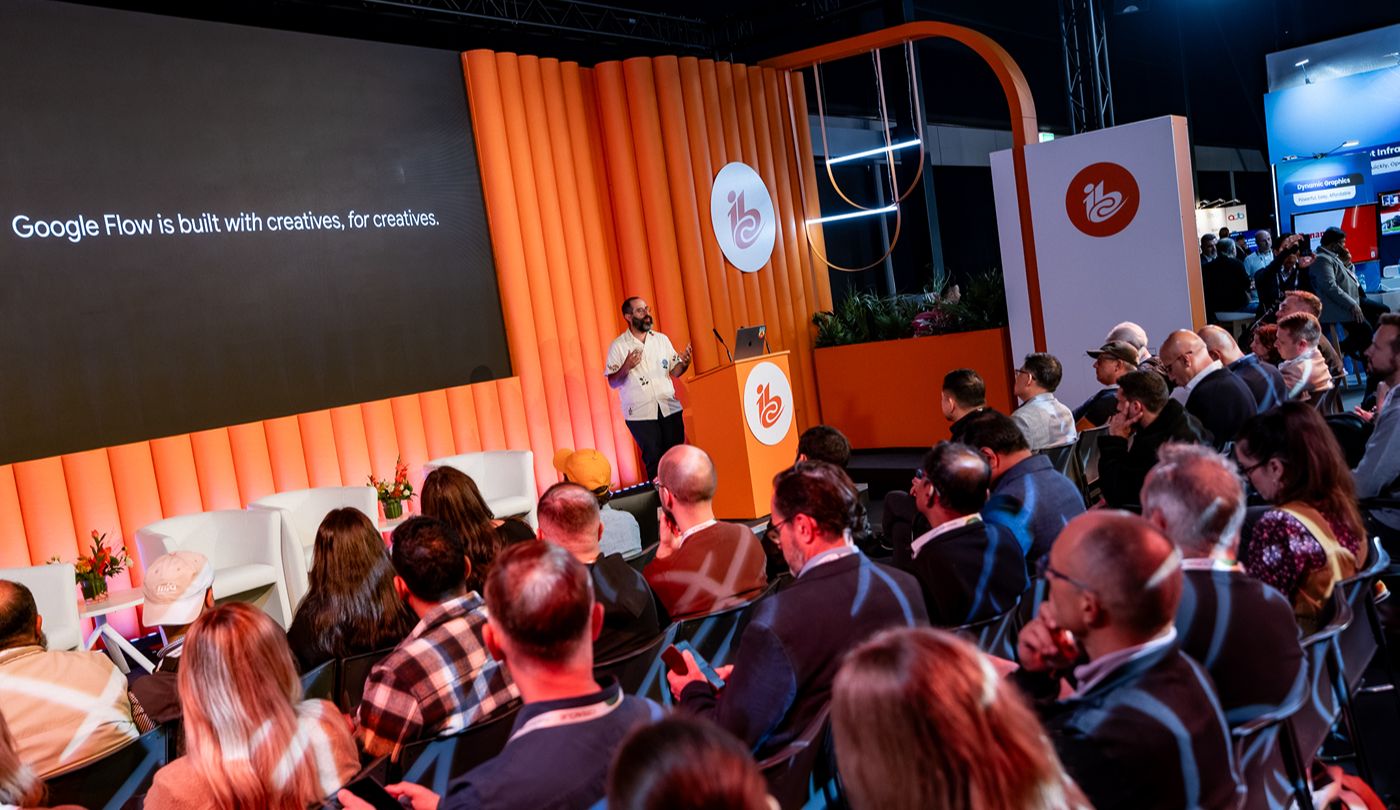
Content Everywhere at IBC2026: AI moves from hype to action
Companies from across the Content Everywhere ecosystem highlight what they see as some of the most promising industry developments at IBC2026, while calling out areas where they think the industry has room for improvement.
.jpg)
.jpg)
.jpg)
.jpg)