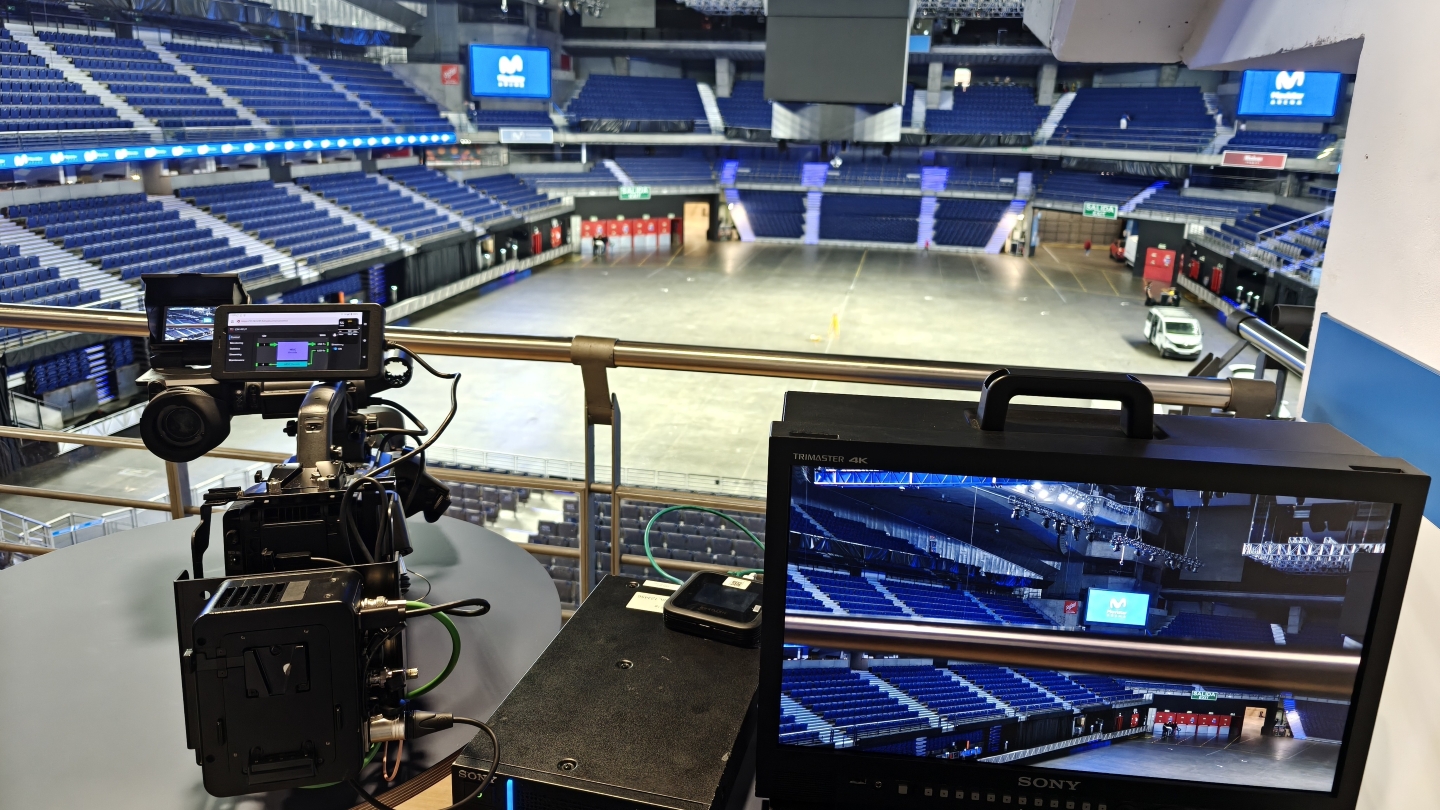
The broadcast industry is undergoing a significant transformation, driven by the need for greater economic efficiency and the advent of new technologies such as private 5G. As the demand for content continues to surge, budget constraints and the pressure to do more with less have become central concerns for decision-makers. In this evolving landscape, the industry must embrace innovative solutions that not only enhance efficiency but also ensure scalability and adaptability. Jean-Marc Racine, Chief Product Officer at Haivision explains how private 5G has huge potential to transform the landscape.
Economic efficiency is a very real executive concern in today’s broadcast industry. While technological advancements often dominate discussions, the reality is that budget owners and decision-makers are more focused on maximising the benefits derived from their investments. With a fixed amount of money to spend each year, they must deliver more content, cover more events, and reach more audiences without the proportionate increase in funding.
This emphasis on efficiency is not just about cutting costs; it is about rethinking how resources are allocated and utilised. For instance, traditional broadcast environments have historically been largely static, with dedicated equipment for specific tasks. However, the need to reconfigure workflows quickly and efficiently has become paramount. Solutions that allow for dynamic reconfiguration, such as Haivision’s broadcast contribution ecosystem, offer a way to achieve this flexibility. By integrating tools – that are all designed with a common UX that fosters operational efficiencies - broadcasters can create a more adaptable infrastructure that can handle multiple tasks without requiring a significant duplication of hardware and software solutions...
You are not signed in
Only registered users can read the rest of this article.
/2. Channel 4.jpg)
Channel 4 launches instant advertising platform
Channel 4 Sales has launched Instant Re4ch, an advertising proposition intended to offer prioritised planning across Channel 4 Sales' portfolio, guaranteeing peak spots across Channel 4, Paramount, and UKTV channels on the same evening.
 (2).jpg)
Ben Frow, Head, Channel 5, to step down
Ben Frow will step down as Paramount UK’s Chief Content Officer next year, after 14 years of overseeing Channel 5 and its digital brands.
 (2).jpg)
UK “minded to intervene” in Sky-ITV deal
UK Culture Secretary Lisa Nandy has said she is "minded to intervene" in Sky’s £1.6bn deal to buy ITV's media and entertainment division.
.jpg)
BBC News channel launches on YouTube in the UK and USA
The BBC has revealed that its BBC News channel will stream live on YouTube in both the UK and the USA from Thursday 15 October 2026.
 (1).jpg)
Netflix lays off 6% of workforce
In its biggest round of cuts since 2022, Netflix has axed approximately 6% of its employees, including big hitters like Carolina Garcia, Director, Original Series, Netflix, who has been with the streamer for 10 years and oversaw The Duffer Brothers’ Stranger Things.