

In anticipation of her IBC2026 panel, Marion Rathmann, Group Vice President (VP) of Content and Programming Networks, GSA & Benelux, Warner Bros. Discovery (WBD), reveals her key strategies when crafting a commercially successful content personalisation experience.
Ahead of her IBC2026 panel, “Choice, Curation and Context? What do audiences want, from where and how?” on 11 September, IBC365 sits down with Rathmann to find out more about the obstacles that content providers must surmount to create a hit. Rathmann also highlights how important it is to prioritise appointment viewing that people all over the world want to diarise.
.jpg)
According to the WBD executive, hitting this jackpot is no longer just about creating great content; it's about earning attention, building trust, and creating lasting engagement.
Navigating complexity without losing focus
“One of the biggest challenges today is that audiences have more choice than ever before, but not more time,” she explains. “Across linear TV, streaming services, YouTube, FAST channels, and social platforms, viewers are faced with an unprecedented number of content options. The challenge is no longer simply creating, acquiring, or scheduling great content. It's making sure audiences can easily find it, understand why it is relevant to them, and choose to spend their time with it.”
Rathmann sees one of her responsibilities as a leader as helping teams navigate that complexity without losing focus, creativity, or confidence. She says: “In a constantly changing environment, teams need clarity on priorities, the freedom to test and learn, and a shared sense of purpose. The pace of change is extraordinary, but so are the opportunities.”

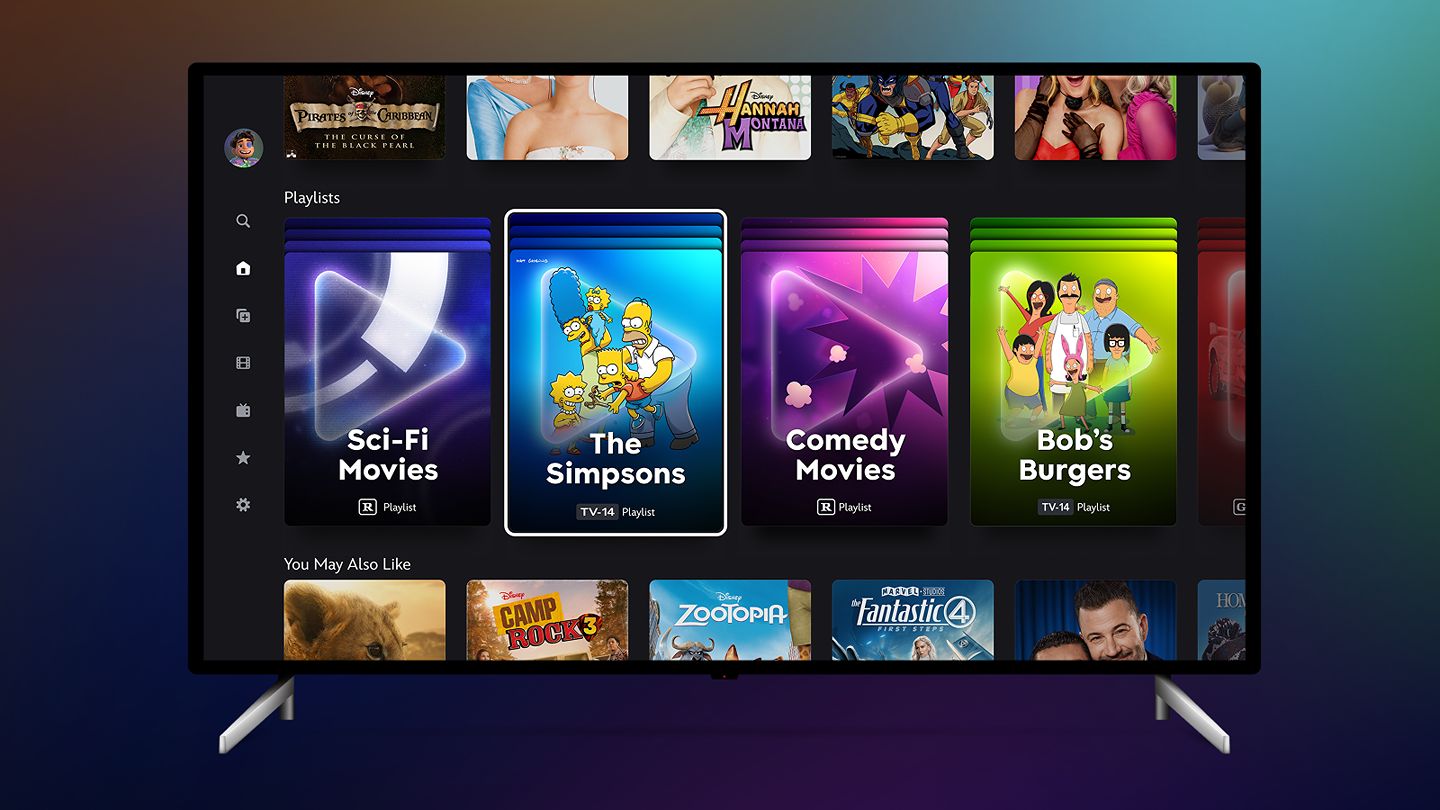
Viewers now need to feel confident enough to navigate the greater choice and complexity of content in a simple and meaningful way. “From my perspective, discovery has become one of the most important elements of the user experience,” Rathmann continues. “It is not just a convenience feature. It directly influences engagement, retention, and ultimately commercial success. If viewers cannot easily find relevant content, even the strongest content offering will underperform.”
Ultimately, Rathmann believes that the companies that succeed will not be those that make the most content, but those that make the right content that’s easy to discover at the right moment and in the right context. It’s easy to give the audience more of what they already have, but that doesn’t guarantee success, she says.
She clarifies: “While personalisation is incredibly valuable, our role is not to reinforce existing viewing habits. One of the most rewarding aspects of content and programming is helping audiences discover something unexpected. That starts with smart curation. New content benefits from being placed in trusted brand environments, alongside established franchises, familiar talent or topics that audiences already care about. The more relevant the context, the greater the willingness to try something new.”
.jpg)
Understanding audiences now requires data and experience
Data on what audiences watch, on what, when, and why is now in abundance, but Rathmann says that data alone rarely tells the full story. She illustrates: “Understanding audiences also requires context, local market knowledge, and a culture of constantly testing, learning, and adapting. For me, that is also a leadership topic: creating an environment where teams are encouraged to question assumptions, read the signals carefully, and adjust quickly when audience behaviour changes. Some of our most valuable insights come from observing how audiences respond to new ideas, new formats, and new ways of distributing content.”
Furthermore, while some content is creating a global buzz, regional differences reportedly remain. “Audiences may discover content globally, but they often build lasting connections with content that reflects their own culture, language, interests, and everyday lives,” Rathmann says.
The executive also adds that local relevance and global scale are not competing forces. She points out: “The most successful content strategies often combine both. Audiences enjoy global brands and stories, but they also want content that feels close to home and reflects the communities, passions, and experiences they identify with. Content may travel globally, but connection is often created locally.”
To hear more from Rathmann and her fellow panellists, don’t miss the IBC2026 Conference session titled "Choice, Curation and Context? What do audiences want, from where and how?" taking place on 11 September, 15:15 - 16:00, Conference Room 1.
To learn more and register for the IBC2026 Conference, click here.
EBU’s Alan Fagan: “Eurovision Sport isn’t simply another streaming platform”
The Managing Director of the EBU’s first direct-to-consumer platform tells David Davies about two years of market growth and technological progress, recent excursions into AI, and the broader EBU sports ecosystem.
.jpg)
BAFTA Albert’s Matt Scarff: “If I had to name one challenge, it would be time”
For 15 years, BAFTA Albert has worked alongside the UK's screen industry, helping transform the power of storytelling into meaningful climate action, both behind the camera and on screen.
.jpg)
SVT’s Dennis Buhr: “‘Software-defined’ isn’t just about replacing hardware”
Dennis Buhr, Head, Digital Transformation, Production Technology, Workflow, SVT, explores how the team developed a software-defined live production platform for the Olympics.
 SR (1).jpg)
Ant Boys on The Invite and AI's promise
ACE Eddie-winning and BAFTA-nominated film editor Ant Boys, whose work includes The Great and Veep, discussed his latest film, the comedy/drama The Invite, and shared his views on the potential of AI in film editing, during a conversation at the IBC Conference yesterday, presented by American Cinema Editors.
.jpg)
Toby Scales: Building trust in an AI world
In preparation for his IBC2026 conference session, Toby Scales, CISO Media, Entertainment, Chairperson, Google Cloud, reveals what’s next for authenticity, provenance challenges, and AI.
 (1).jpg)
.jpg)
.jpg)