
To mark World Television Day, commemorating the United Nation’s first World Television Forum in 1996, IBC365 looks back at the past year’s achievements, advancements and innovations in TV and broadcasting across the globe.
World Television Day recognises the impact television has had on global social, economic and political changes, since its invention in the 19th century and its first ever demonstration by Scottish inventor and engineer John Logie Baird in 1926. Since the broadcasting revolution, television has continued to bring information and entertainment to households worldwide, now more than ever with an accelerated force of innovation.
According to the United Nations: “World Television Day is a celebration of how television has become a symbol of connection and globalisation in the 21st century,” with the television continuing to be the “single largest source of video consumption” in the world. Indeed, a recent survey published by the European Parliament concluded...
You are not signed in
Only registered users can read the rest of this article.
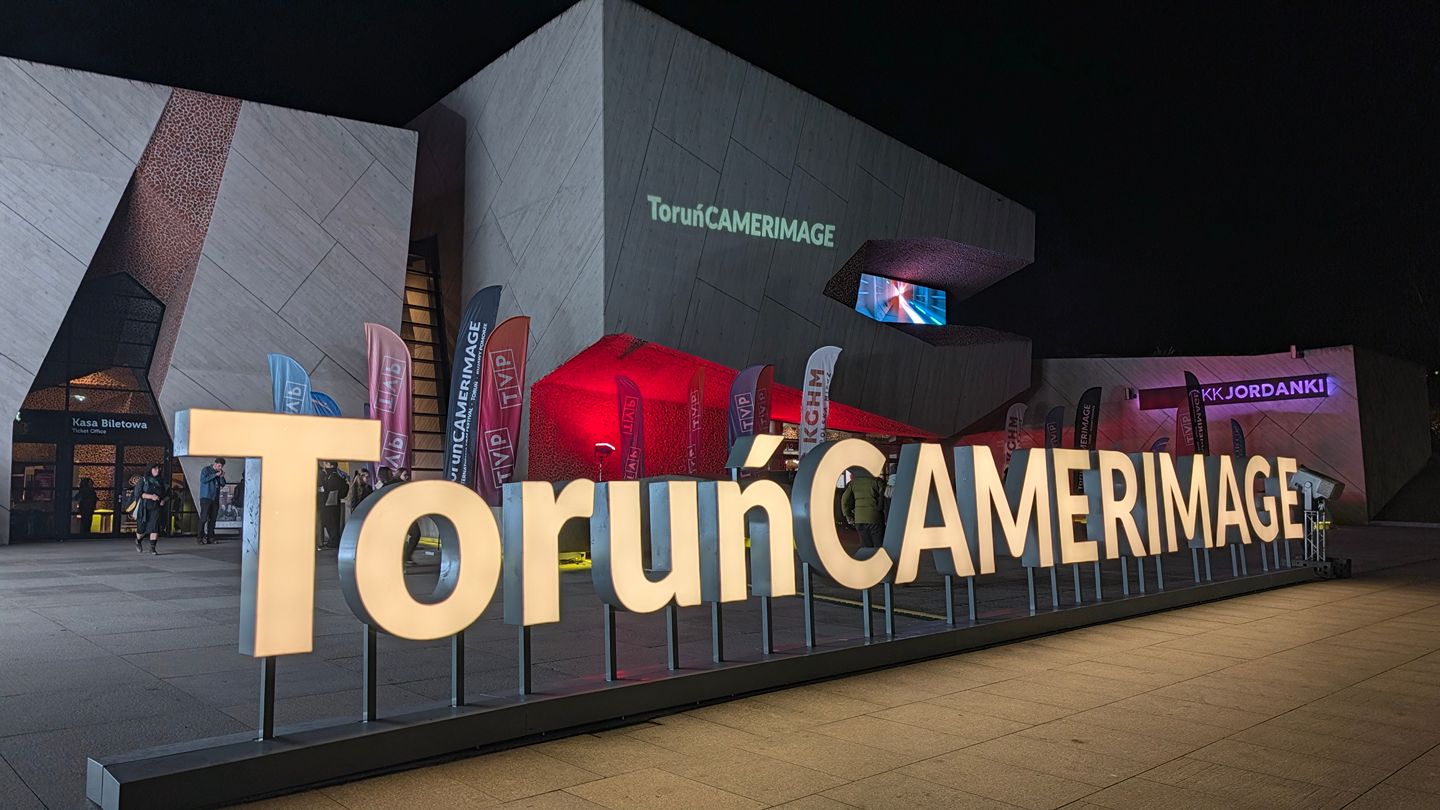
Camerimage: AI is threatening the DP’s craft
Films shot traditionally and on film remain the art form’s high bar, but AI is gradually undermining the cinematographer’s position as the author of the image.
.jpeg)
ProAV convergence: Control rooms to experience centres
Broadcast and proAV technologies are converging, creating flexible experience centres that can serve remote and on-demand audiences from shared production infrastructure.
Beyond the broadcast: Creating modern, multi-platform experiences
As audiences move between television, mobile, social, and immersive platforms, media organisations must create connected experiences that expand engagement without multiplying production costs.
.jpg)
Streaming’s discovery problem: Who will fix viewing fragmentation?
As the number of services and viewing options has grown, audiences have more choice than ever. Yet, for viewers, finding something to watch is often still an exercise in frustration.
.jpg)
Call my agent: Agentic AI begins buying media advertising
AI agents have the potential to automate media transactions at scale, but today’s focus is less about fully autonomous workflows and more on experimentation and efficiencies.
.jpg)
 (1).jpg)