

Advances in how 3D spaces and objects are captured to create immersive, interactive content are helping redefine how stories are told and experienced. Integrating volumetric capture into mainstream media however requires a new set of skills, blending creative storytelling with advanced technical knowledge.
Unlike traditional video, which is confined to a 2D plane, volumetric video provides the added dimensions of depth and volume, making it possible to interact with digital objects in ways that were previously not possible. Objects such as a coffee cup can be digitally captured in 3D and placed within a virtual environment almost in the same way a practical prop can be placed within an actual set. This technology has many applications for virtual reality (VR), augmented reality (AR), virtual production (VP) and mixed reality (MR).
Several technologies underpin volumetric capture, including photogrammetry, Gaussian splatting, and 4D capture. Photogrammetry involves taking multiple photographs of an object or scene from different angles and stitching them together to create a 3D model. Gaussian splatting, a more recent innovation, creates a point cloud where each point represents a small, textured circle. This method is lightweight and efficient, making it suitable for real-time applications. The cutting-edge 4D capture extends this technology to the 4th dimension of time, making it possible to capture animated content volumetrically, providing enhanced options for animation...
You are not signed in
Only registered users can read the rest of this article.
.jpg)
NAB Show New York: The stakes could not be higher
As media, technology, and politics become increasingly intertwined, the stakes extend far beyond the balance sheet.
.jpg)
6G-Holonet: Bringing Star Trek’s comms system to reality
As the 6G-Holonet project sets its sights on live entertainment, cultural heritage sites, and immersive media, Alex Buchan, Chief Technology Officer, DTG, reveals the key technological considerations that have ensured the project’s impact.
.jpg)
ULL-timate goal: How streamers are prioritising ultra-low latency
With audiences expecting instant global information, and broadcasters competing against social platforms that deliver clips within seconds, the race is on to deliver ultra-low latency (ULL) as a competitive edge.
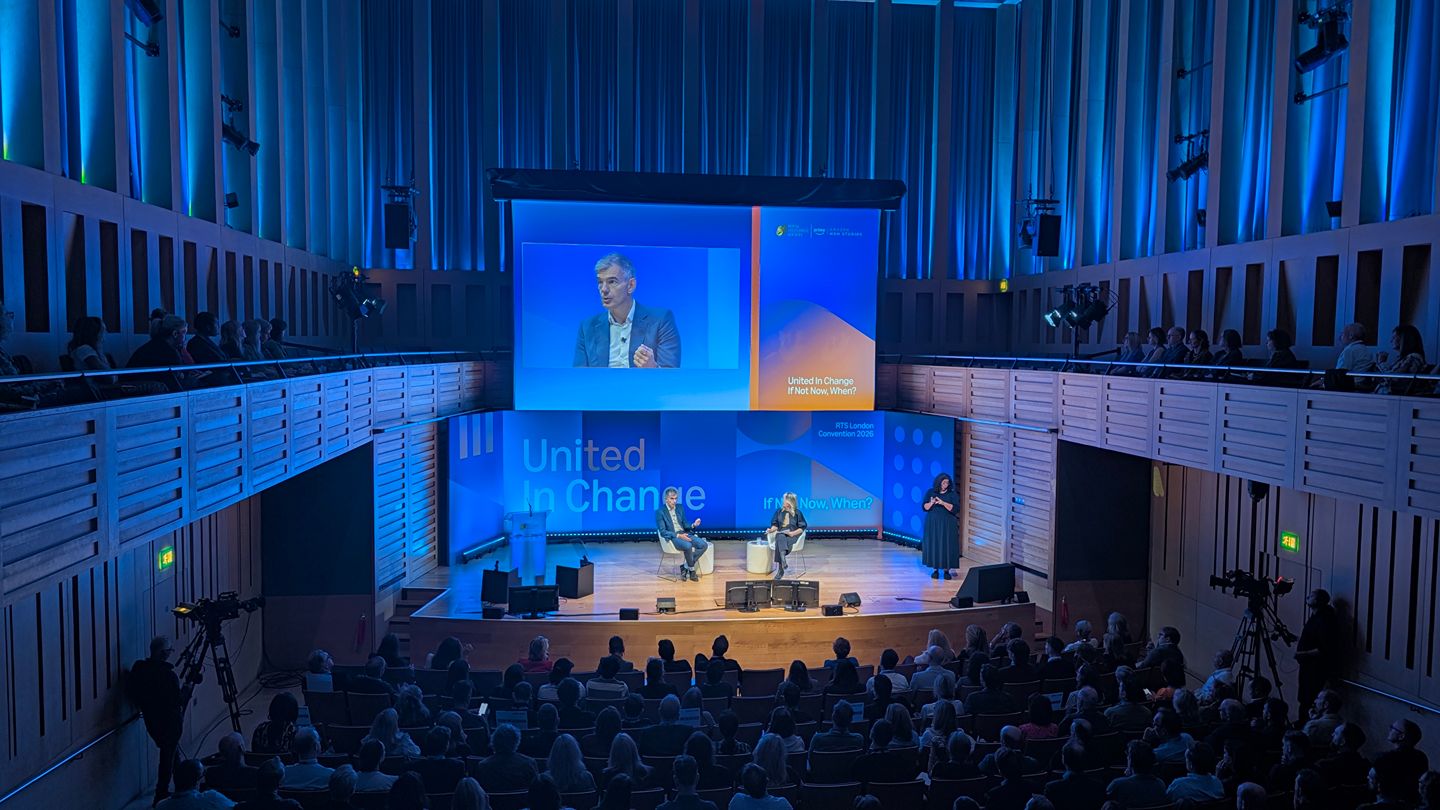
RTS Convention: “The prize for standing still simply isn't an option”
AI was largely sidelined at the annual RTS gathering where the fate of public service media took precedence. Adrian Pennington reports.
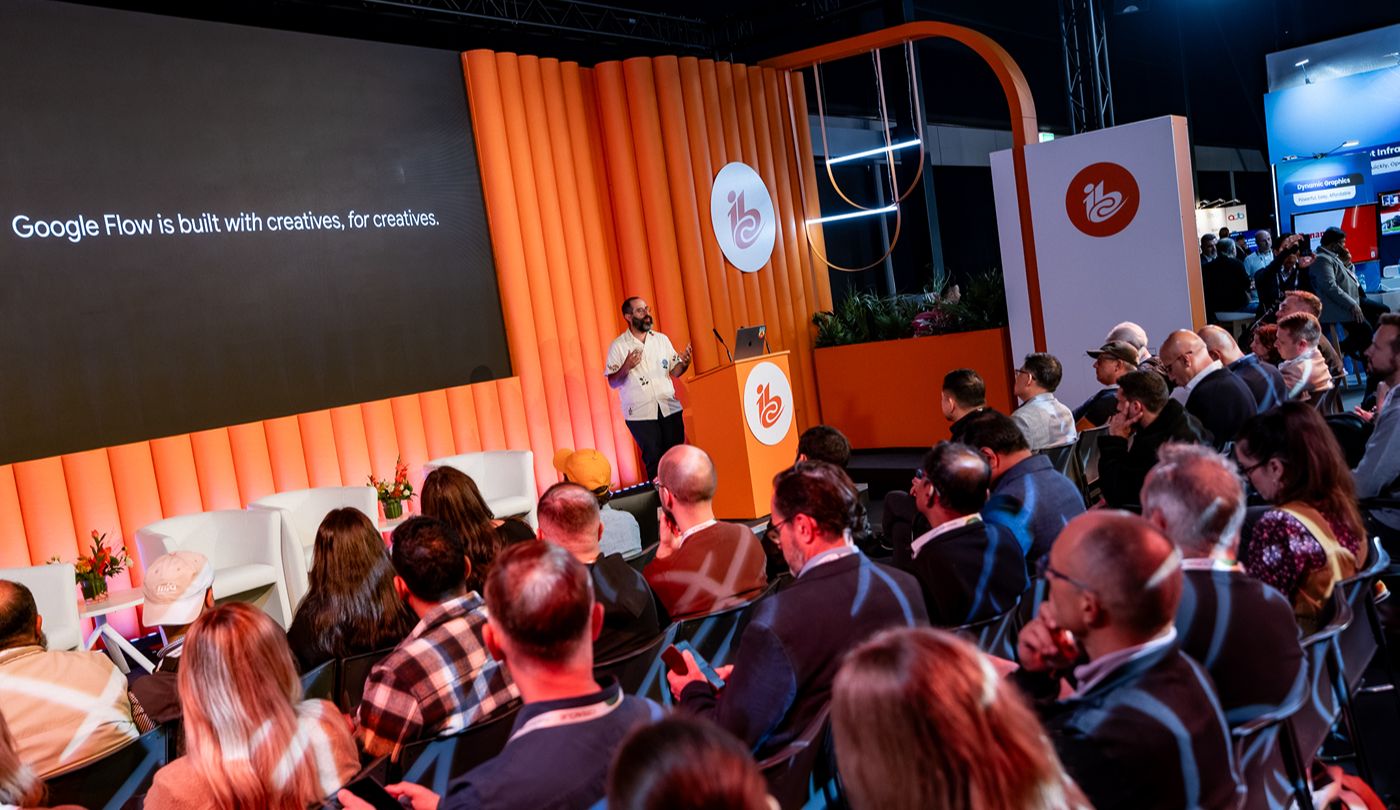
Content Everywhere at IBC2026: AI moves from hype to action
Companies from across the Content Everywhere ecosystem highlight what they see as some of the most promising industry developments at IBC2026, while calling out areas where they think the industry has room for improvement.

 (1).jpeg)
.jpg)