
IBC Conference: Streamers are now as varied as audiences. There’s money to be made, but you have to put your fans first. Neal Romanek reports.
At first glance, the panel of streaming companies that took to the stage at the IBC Conference session ‘What next in streaming? Innovation and experimentation to win hearts, minds and eyes’, would seem to have little in common. As varied as streaming content platforms are, there are some challenges and recipes for success that they all share.
Mary Ann Halford, Principal at Halford Media Advisory, interviewed Brad Danks, CEO of OUTtv; Sarah Milton, Chief Product Officer at Everyone TV; DeShuna Elisa Spencer, Founder & CEO of kweliTV; and Elke Walthelm, COO at Sky Deutschland.
Some people still need to be reminded that streaming isn’t new. Walthelm explained that Sky Deutschland has been working on the problems of streaming for 20 years now. The company now has a pure streaming app, WOW, but the broadcaster’s content strategy is dictated by the viewing habits of the customers, which requires nuance and sometimes hard choices.
“Germany is quite a crowded market,” Walthelm said. “When you look at the market you need to look at the whole of the competition over time.”
In addition to WOW, which is aimed at those on-demand viewers who know what they want to watch, Sky Deutschland also offers its Sky Stream box which aggregates multiple channels and streaming platforms. The important thing for Walthelm is to make it easy for the customer and to meet them where they are.
Reaching diverse audiences
OUTtv is the world’s first and biggest content platform dedicated to LGBTQ+ content. Launched in Canada in 2001 as a cable station, OUTtv now reaches a global audience
that soon will include Taiwan’s biggest cable provider. The platform produces about half of its own content, which gives them control over their content as well as more direct link with their audience.
“You can’t depend on what is being made elsewhere,” said OUTtv’s Brad Danks. “Our audience is looking for very authentic representation which isn’t out there. It forces us to make our own content, which gives us a competitive advantage.”
KweliTV was also born out of an inadequately served demographic with founder DeShuna Elisa Spencer, tired of the huge gap in quality programming by and for Black people globally.
“The idea came out of frustration to be honest,” she said. “As a black American, I didn’t see stories that properly represented me. Also, the stories about Africans that were seen in the US were very stereotypical.
“Black Americans are more likely to watch network TV but less likely to be represented on it.”
Spencer also wanted to create a home for black talent.
“There are so many amazing filmmakers but they’re not getting seen. So I wanted to create a space where diverse filmmakers can get their films seen and they can make money off it.”
And kweliTV’s support for its creators is more than just marketing talk: “60% of our revenue goes back to our content creators. And I’ve spoken to 90% of our creators personally.”
UK market and Freely
The goal of Everyone TV is to make TV free to access by everyone in the UK. Its Freely product is a platform built into Smart TV’s, that brings together streaming and on-demand content.
“It’s all about ensuring UK audiences can continue to enjoy free tv in the streaming age,” said Everyone TV’s Sarah Milton.
Again, the driving purpose is serving a specific audience.
“Freely has more content available than any other streaming service. And that content has a connection with its audience. UK audiences vastly prefer UK broadcaster content for shows to watch together with people as part of a community.”
She notes that support from the UK industry has been critical for Everyone TV’s success.
“Collaboration has been everything for us. UK broadcasters collaborate in a way that is unique in the world.”
.jpg)
6G-Holonet: Bringing Star Trek’s space-age comms system to reality
As the 6G-Holonet project sets its sights on live entertainment, cultural heritage sites, and immersive media, Alex Buchan, Chief Technology Officer, DTG, reveals the key technological considerations that have ensured the project’s impact.
.jpg)
ULL-timate goal: How streamers are prioritising ultra-low latency
With audiences expecting instant global information, and broadcasters competing against social platforms that deliver clips within seconds, the race is on to deliver ultra-low latency (ULL) as a competitive edge.
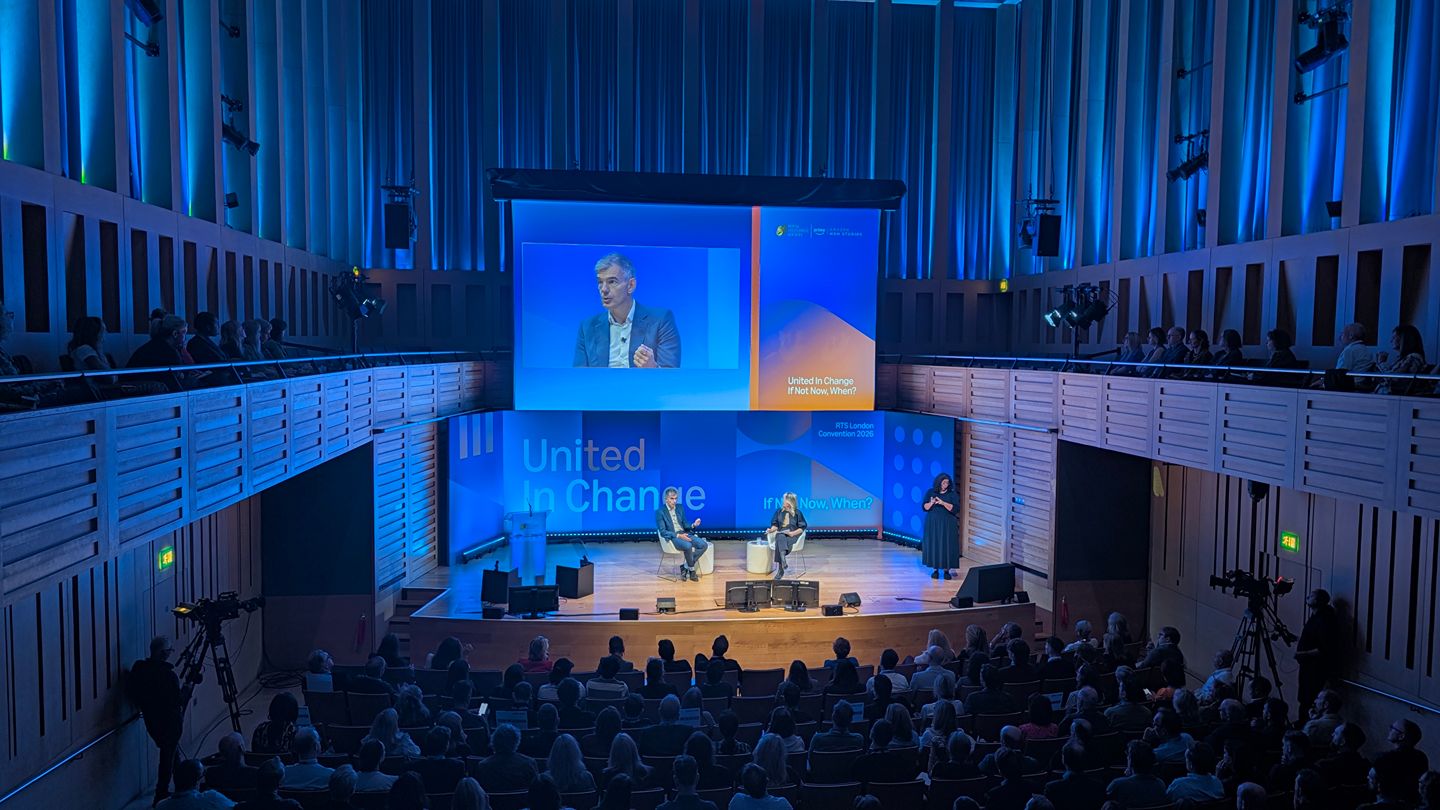
RTS Convention: “The prize for standing still simply isn't an option”
AI was largely sidelined at the annual RTS gathering where the fate of public service media took precedence. Adrian Pennington reports.
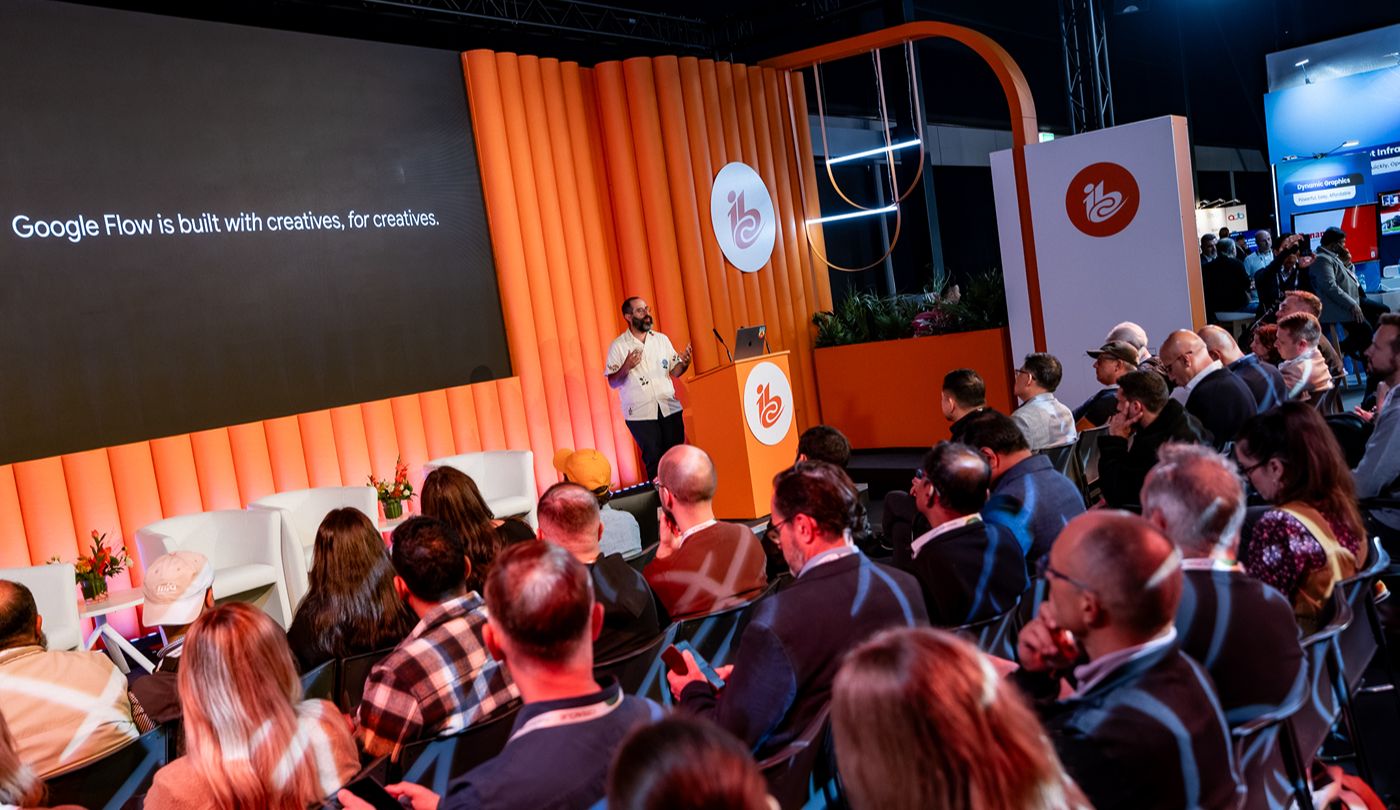
Content Everywhere at IBC2026: AI moves from hype to action
Companies from across the Content Everywhere ecosystem highlight what they see as some of the most promising industry developments at IBC2026, while calling out areas where they think the industry has room for improvement.
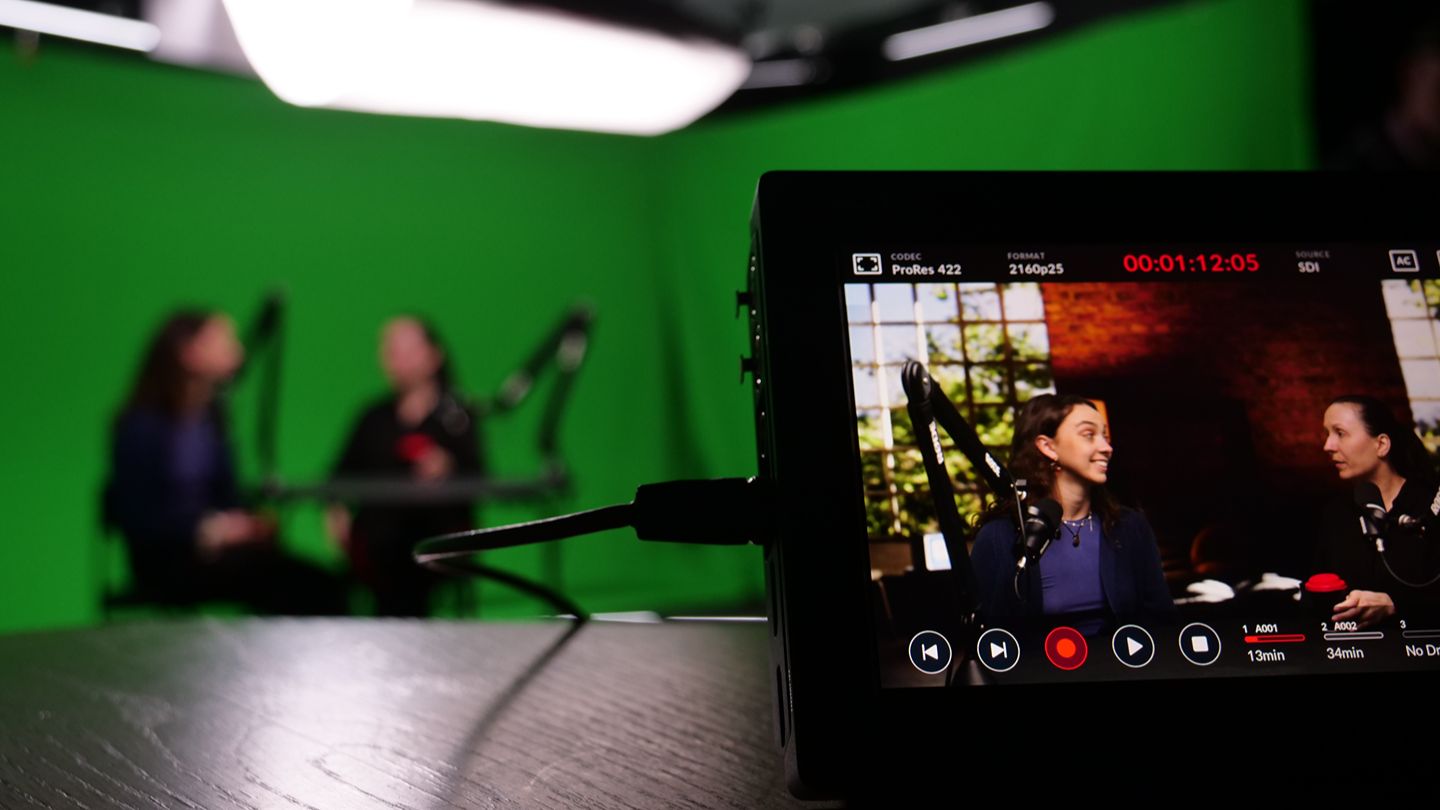
How virtual sets are changing the shape of podcast production
One podcast session can now feed a much wider content package spanning audio and video. Rob Chandler, Founder, CEO, The Dean Street Podcast Studio, explains how that changing demand shaped the studio he built in central London.
.jpg)
 (1).jpg)
.jpg)