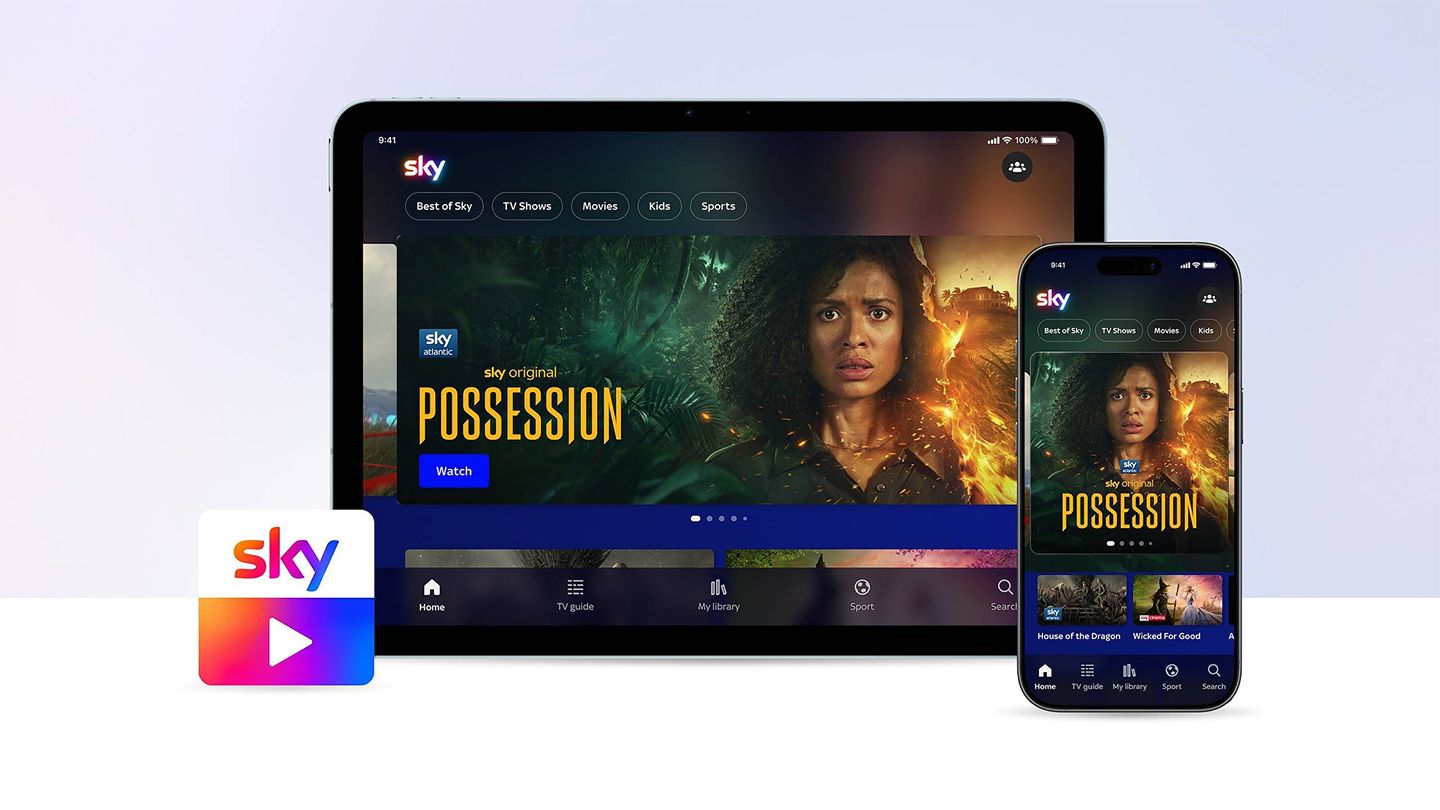
UK media regulator Ofcom has set out its plans to level the regulatory playing field between streaming platforms and traditional broadcasters, so viewers receive similar content protections.
The UK government’s recent Media Act granted Ofcom powers to create and enforce a content standards code for streaming services.
Ofcom’s draft code, published this week, introduces new rules governing major streaming services such as Netflix, Amazon Prime Video, and Disney+.
For the first time, the platforms will be held to rules around harmful and offensive content, fairness and privacy, and impartiality and accuracy in news.
Some streamers, such as Netflix, which are not based in the UK, have fallen outside Ofcom’s regulation entirely, even though they target and profit from UK audiences.
The regulator’s proposed content standards code for ‘Tier 1’ streaming services broadly mirrors the UK’s existing broadcasting rules. However, it is tailored to reflect the differences between traditional, scheduled broadcast TV, and on-demand content.
Alongside this, Ofcom is consulting on a proposed code that sets new accessibility requirements for streaming services. As a result, more than 18 million people with sight or hearing disabilities can enjoy content using subtitles, audio description, and sign language.
Services must, as a minimum, subtitle 80% of their catalogue, audio describe 10%, and provide signing for 5%. Poor-quality access features will not count towards quotas.
Cristina Nicolotti Squires, Group Director for Broadcasting and Media at Ofcom, said: “Audiences today want to watch great content across different on-demand platforms with the same reassurance and confidence they have when viewing traditional broadcast television.
“Our proposed new content standards code for the largest and most popular streaming services will, for the first time, deliver the clear and consistent protections that audiences need and expect. We’re also making sure that people with sight and hearing conditions can also enjoy popular streaming content by setting strong new accessibility requirements.”
Sky research recently found that the UK is capable of fully moving to internet-delivered TV in the 2030s – if the UK Government sets a clear timetable and invests in targeted help for those most at risk of digital exclusion. Discover more here.
/2. Channel 4.jpg)
Channel 4 launches instant advertising platform
Channel 4 Sales has launched Instant Re4ch, an advertising proposition intended to offer prioritised planning across Channel 4 Sales' portfolio, guaranteeing peak spots across Channel 4, Paramount, and UKTV channels on the same evening.
 (2).jpg)
Ben Frow, Head, Channel 5, to step down
Ben Frow will step down as Paramount UK’s Chief Content Officer next year, after 14 years of overseeing Channel 5 and its digital brands.
 (2).jpg)
UK “minded to intervene” in Sky-ITV deal
UK Culture Secretary Lisa Nandy has said she is "minded to intervene" in Sky’s £1.6bn deal to buy ITV's media and entertainment division.
.jpg)
BBC News channel launches on YouTube in the UK and USA
The BBC has revealed that its BBC News channel will stream live on YouTube in both the UK and the USA from Thursday 15 October 2026.
 (1).jpg)
Netflix lays off 6% of workforce
In its biggest round of cuts since 2022, Netflix has axed approximately 6% of its employees, including big hitters like Carolina Garcia, Director, Original Series, Netflix, who has been with the streamer for 10 years and oversaw The Duffer Brothers’ Stranger Things.
 (1).jpg)