
IBC Conference: Netflix’s Victor Marti and Vancouver Media’s Migue Amoedo retraced a collaboration that demanded constant adaptability – switching from ARRI to RED, pioneering HDR, experimenting with LED volumes and rear projection, and adopting AI tools for previz and digital twins.
Victor Marti, Head of Production for Spain and Portugal at Netflix, recalled his first day at the company in 2018: “My very first meeting at Netflix was with Migue. We were in pre-production [for] season three [of] Money Heist. It was the first show that was commissioned as an original for Netflix from Vancouver [Media]. The first two seasons were licensed. Due to Netflix requirements for post-production and filming in UHD 4K, he had to change from his long-standing camera, Ari Alexa to RED cameras. And day one, I saw the knowledge Migue [has] around technology, colour waves, and photons, and how he wanted to deliver emotions throughout all the frames.”
For Migue Amoedo, Executive Producer and Visual Designer at Vancouver Media, the transition was tough. “The first challenge for me was to change the camera because I wanted to preserve the visual identity. For me, the consistency was essential, because we were going to shoot in Panama [and] Thailand, and the temperature was a real problem.”
Netflix stepped in. “They sent us an effectively calibrated camera from Los Angeles, and a prototype cooler model for refrigeration. And an actual colour scientist went to Spain with a laptop, and he made a new LUT curve. So, for us, that was like magic.”
The switch to HDR exposed detail the crew hadn’t planned for. “When we [began] Money Heist, we were [low budget] cinematography, and we didn’t have anything behind the windows. When you go to HDR, more detailed highlights means that you can see behind the window. So, we started to think that we [might] have trouble with the backgrounds.”
Virtual production: Trial and error
For the Sky Rojo series, driving scenes created new obstacles to address. “The three actresses didn’t have [driving] licenses, so we started to think we need to do something – maybe a virtual set,” Amoedo said.
LED volumes were too expensive in 2020. “We started to shoot with standard green screens. But the truth is that we had a lot of problems with the integrations. And finally, we didn’t reach the deadlines, and we delivered the second season two weeks late.”
The fallback was rear projection. “I found a projector that was HDR. This is very expensive, but it had enough contrast to resolve the old problem with the rear projection, a lack of contrast. So, we did the test again, and we found that it’s worth it. And we pushed the limits of that technique. We started to blend in different projectors to create bigger screens.”
By the Money Heist: Berlin prequel series in 2023, volumetric production was finally in play. “In episode five, we started to use LED volumes, and it was very tricky because [of the] learning curve. His advice, “Take it simple. Go step by step. Because if you want to do everything at the starting point, it can become frustrating.”
Mirrors, light and “Aikido”
LED volumes created lighting challenges. Marti said: “Traditional lights are continuous light with all the spectrum of colours and LED screens [have] only three colours, so we were not able to match the colours.”
Amoedo improvised: “If you put a window on the screen out of the frame of your camera, you can use the light and bounce to a mirror and get the light for the background characters. I call this Aikido - Aikido means use the Force. Don’t fight against the wall. Light is light, and the wall is making light all the time.”
AI: Previz and digital twins
The latest stage of innovation has been the use of AI and digital twins. Netflix and Vancouver Media began scanning real-world sets such as city streets and palaces and creating accurate digital replicas for use in volumetric stages. This allowed them to capture a location in a single day, then continue filming in controlled studio conditions without disrupting the public or relying on costly reshoots.
Amoedo described AI as inseparable from creativity, helping accelerate pre-production by generating concept art and previz to communicate ideas quickly across teams. He called it a “preproduction accelerator” that enabled the company to adapt when creative approaches shifted mid-production.
His broader perspective remains cautious but optimistic: “For me, anything that can create an image, it’s a camera. It’s a big camera connected with the global brain of the
world. Electricity, nuclear energy, or fire. It's like fire you can use well, and we have to take the responsibility, and we have to lead.”
.jpg)
ULL-timate goal: How streamers are prioritising ultra-low latency
With audiences expecting instant global information, and broadcasters competing against social platforms that deliver clips within seconds, the race is on to deliver ultra-low latency (ULL) as a competitive edge.
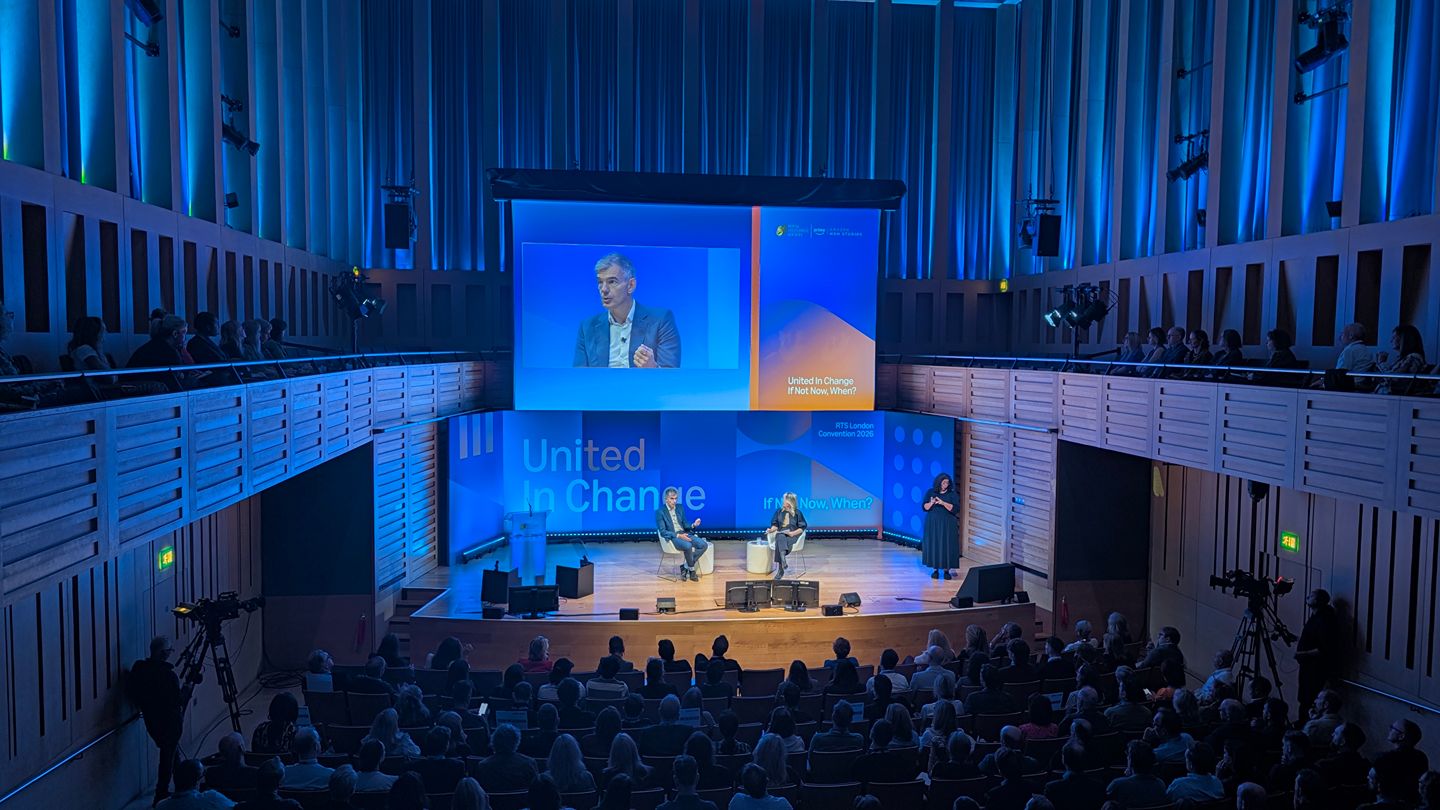
RTS Convention: “The prize for standing still simply isn't an option”
AI was largely sidelined at the annual RTS gathering where the fate of public service media took precedence. Adrian Pennington reports.
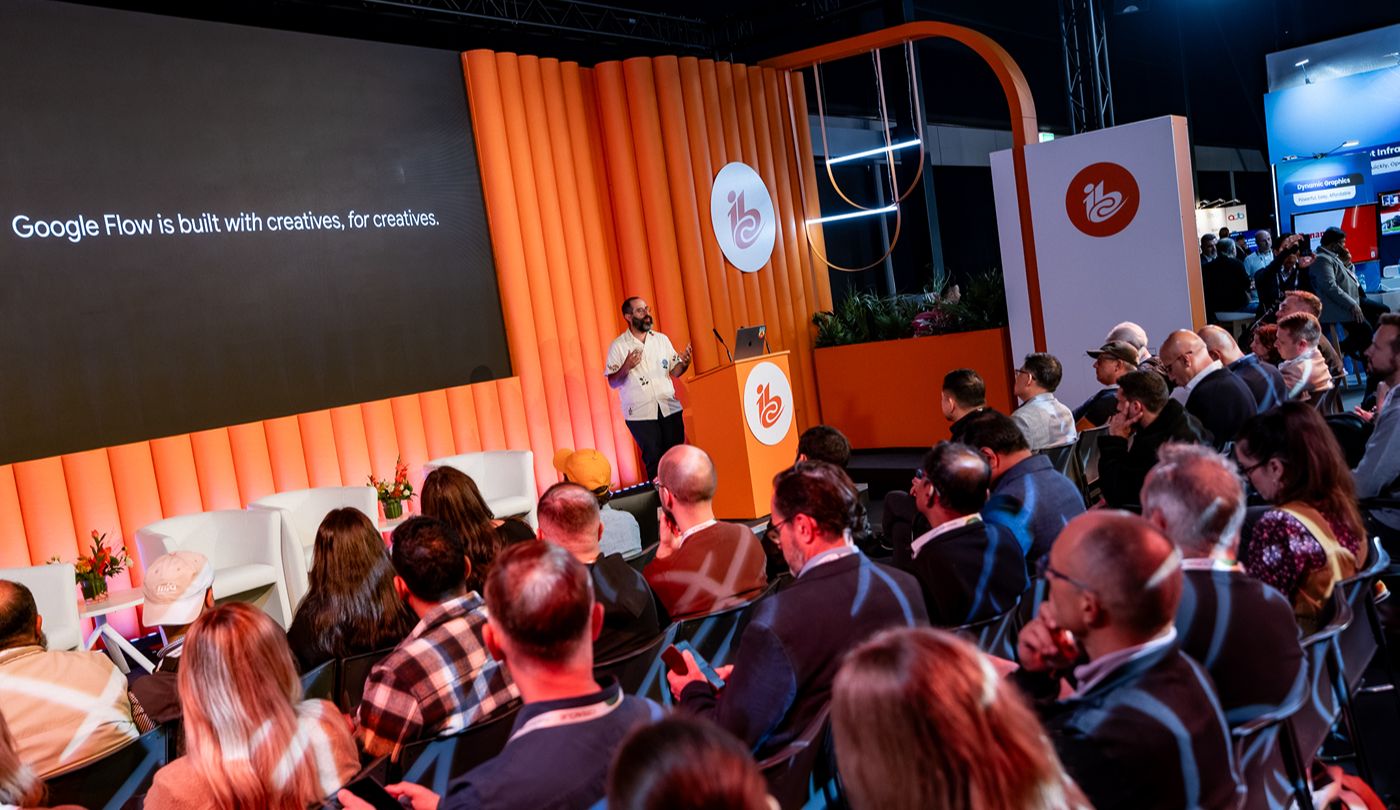
Content Everywhere at IBC2026: AI moves from hype to action
Companies from across the Content Everywhere ecosystem highlight what they see as some of the most promising industry developments at IBC2026, while calling out areas where they think the industry has room for improvement.
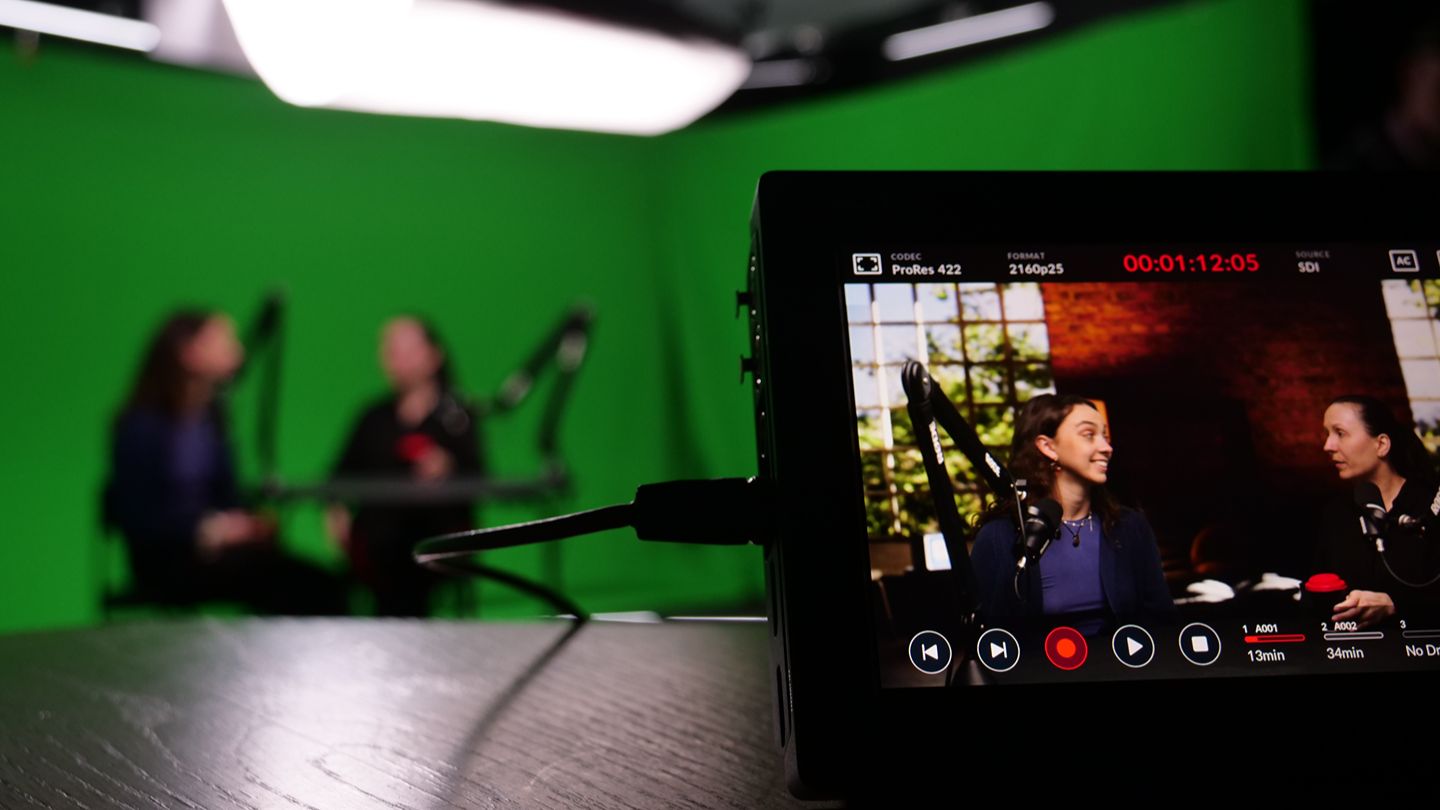
How virtual sets are changing the shape of podcast production
One podcast session can now feed a much wider content package spanning audio and video. Rob Chandler, Founder, CEO, The Dean Street Podcast Studio, explains how that changing demand shaped the studio he built in central London.
.jpg)
Innovation Awards: Collaboration and open standards triumph
The winners of the IBC Innovation Awards were revealed at an event at the Amsterdam RAI, honouring collaborative projects tackling some of the industry's biggest challenges.
.jpg)
.png)
.jpg)
.jpg)