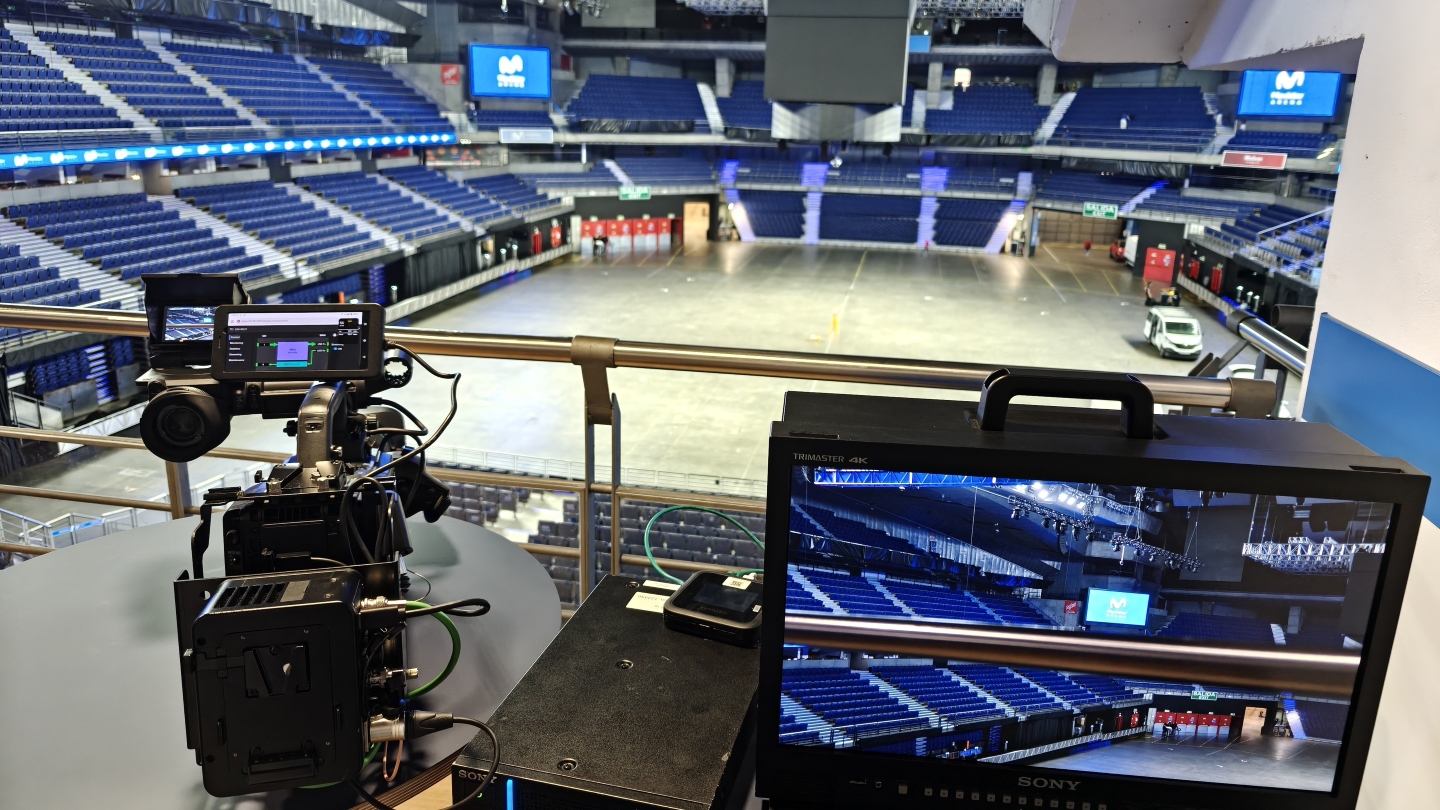
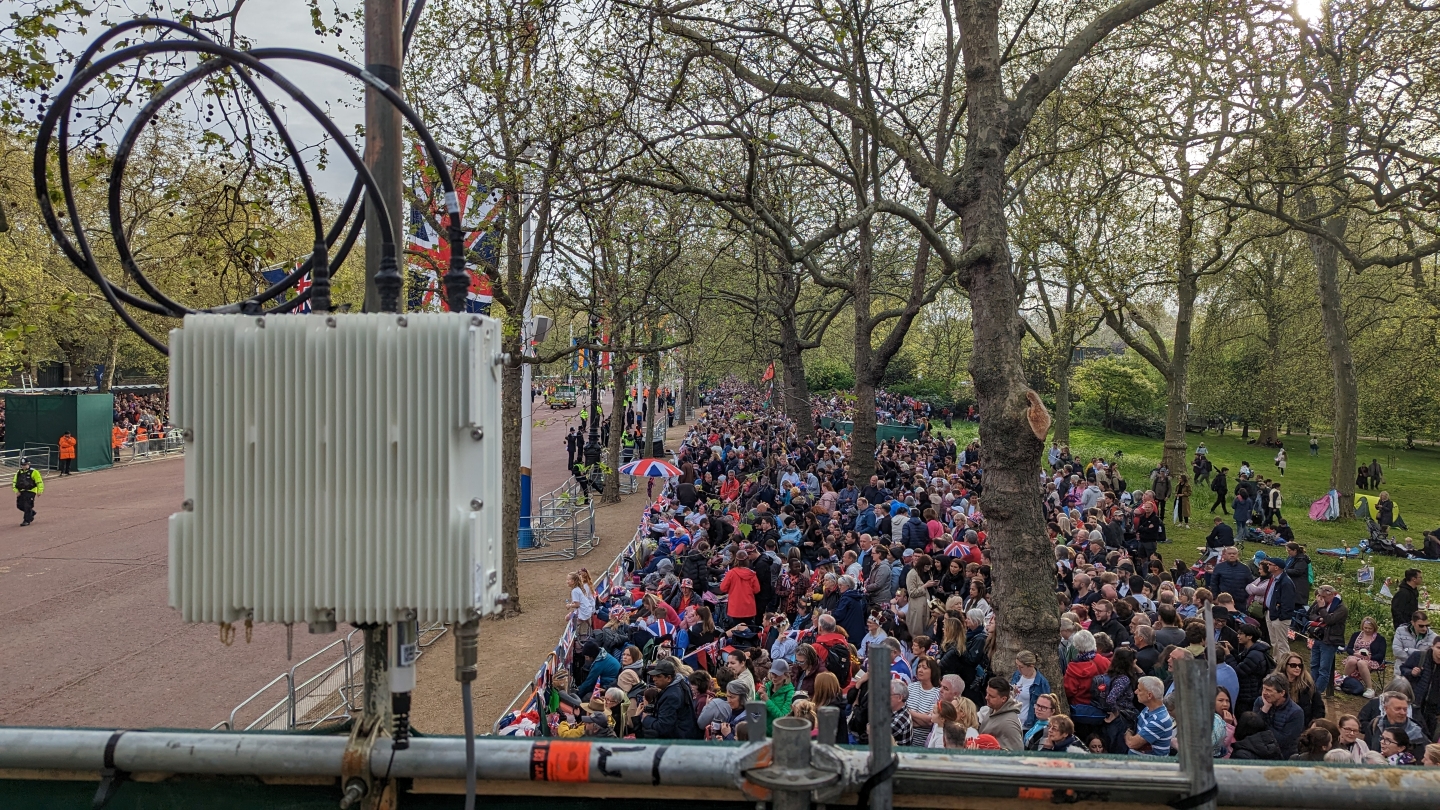
AI was the buzz at Mobile World Congress 2024, but making a return on their 5G investment was at the forefront of operators’ minds. Adrian Pennington reports.
The mobile industry does not want to repeat the mistakes of 5G where streamers like Netflix extracted all the value from data carried over their networks.
“5G is the fastest growing mobile standard in history but there are big challenges ahead,” said Mats Granryd, Director General, GSMA, setting the agenda for the Mobile World Congress (MWC) in Barcelona. “Mobile revenue growth has gone down but capex has gone up. We have to keep investing in new infrastructure to keep the world connected. “By 2030 AI could contribute...
You are not signed in
Only registered users can read the rest of this article.
.jpg)
6G-Holonet: Bringing Star Trek’s space-age comms system to reality
As the 6G-Holonet project sets its sights on live entertainment, cultural heritage sites, and immersive media, Alex Buchan, Chief Technology Officer, DTG, reveals the key technological considerations that have ensured the project’s impact.
.jpg)
ULL-timate goal: How streamers are prioritising ultra-low latency
With audiences expecting instant global information, and broadcasters competing against social platforms that deliver clips within seconds, the race is on to deliver ultra-low latency (ULL) as a competitive edge.
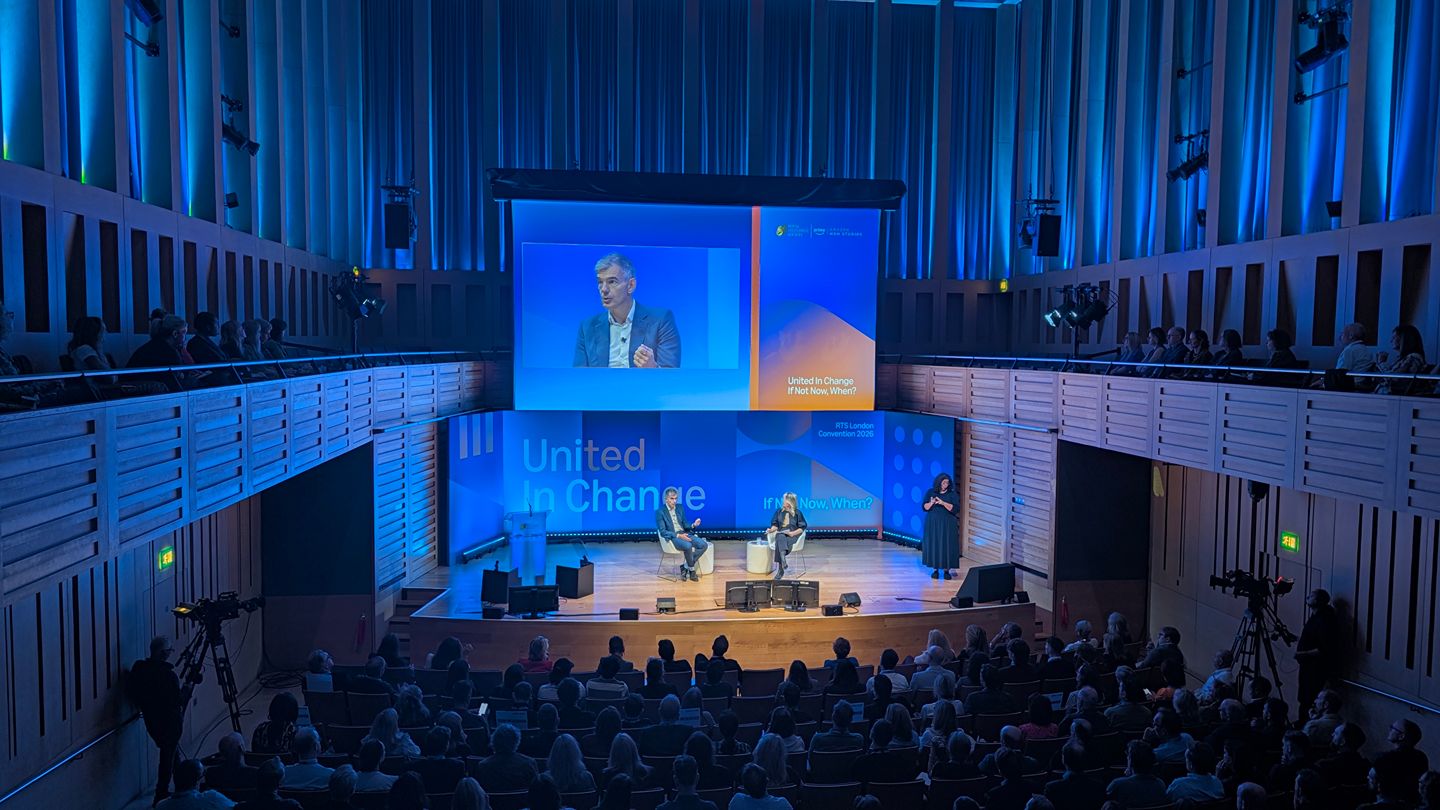
RTS Convention: “The prize for standing still simply isn't an option”
AI was largely sidelined at the annual RTS gathering where the fate of public service media took precedence. Adrian Pennington reports.
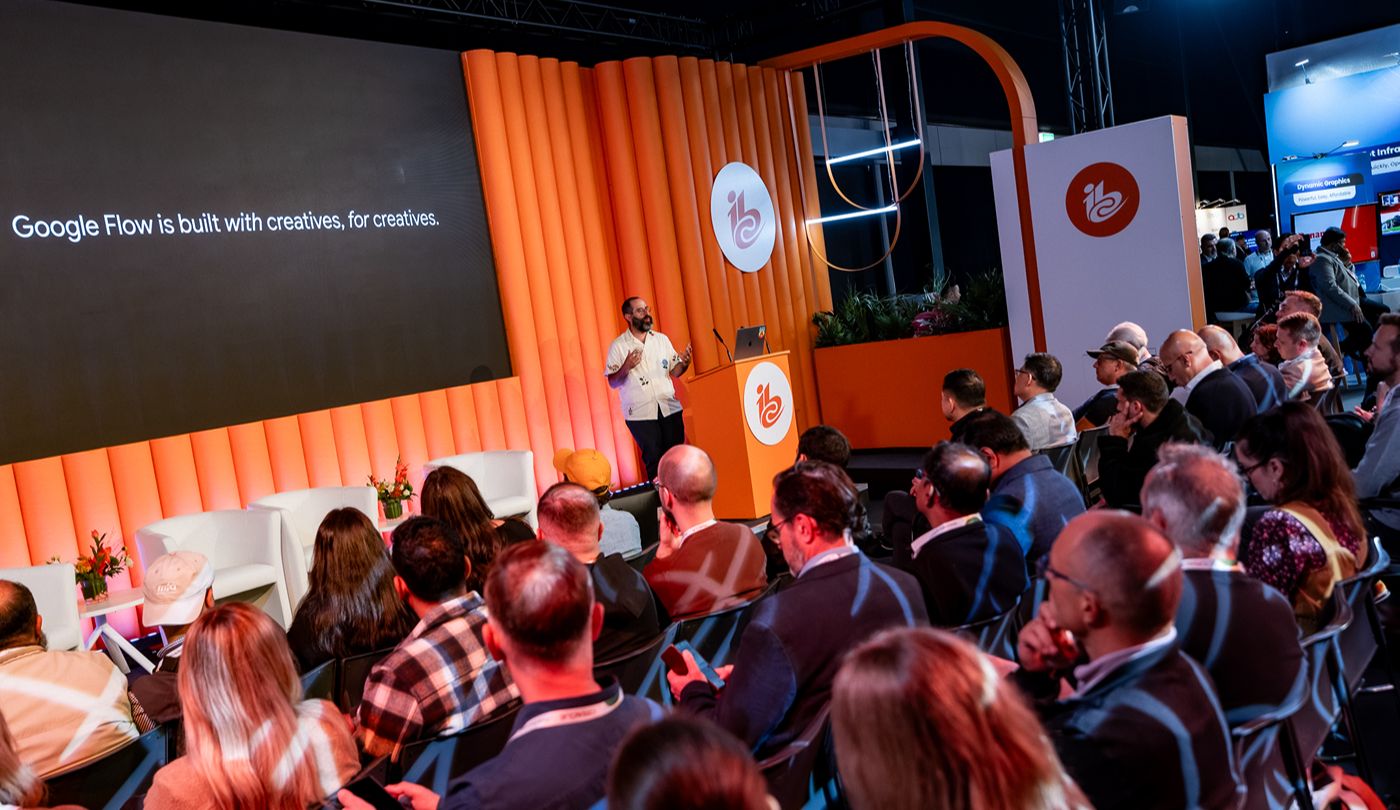
Content Everywhere at IBC2026: AI moves from hype to action
Companies from across the Content Everywhere ecosystem highlight what they see as some of the most promising industry developments at IBC2026, while calling out areas where they think the industry has room for improvement.
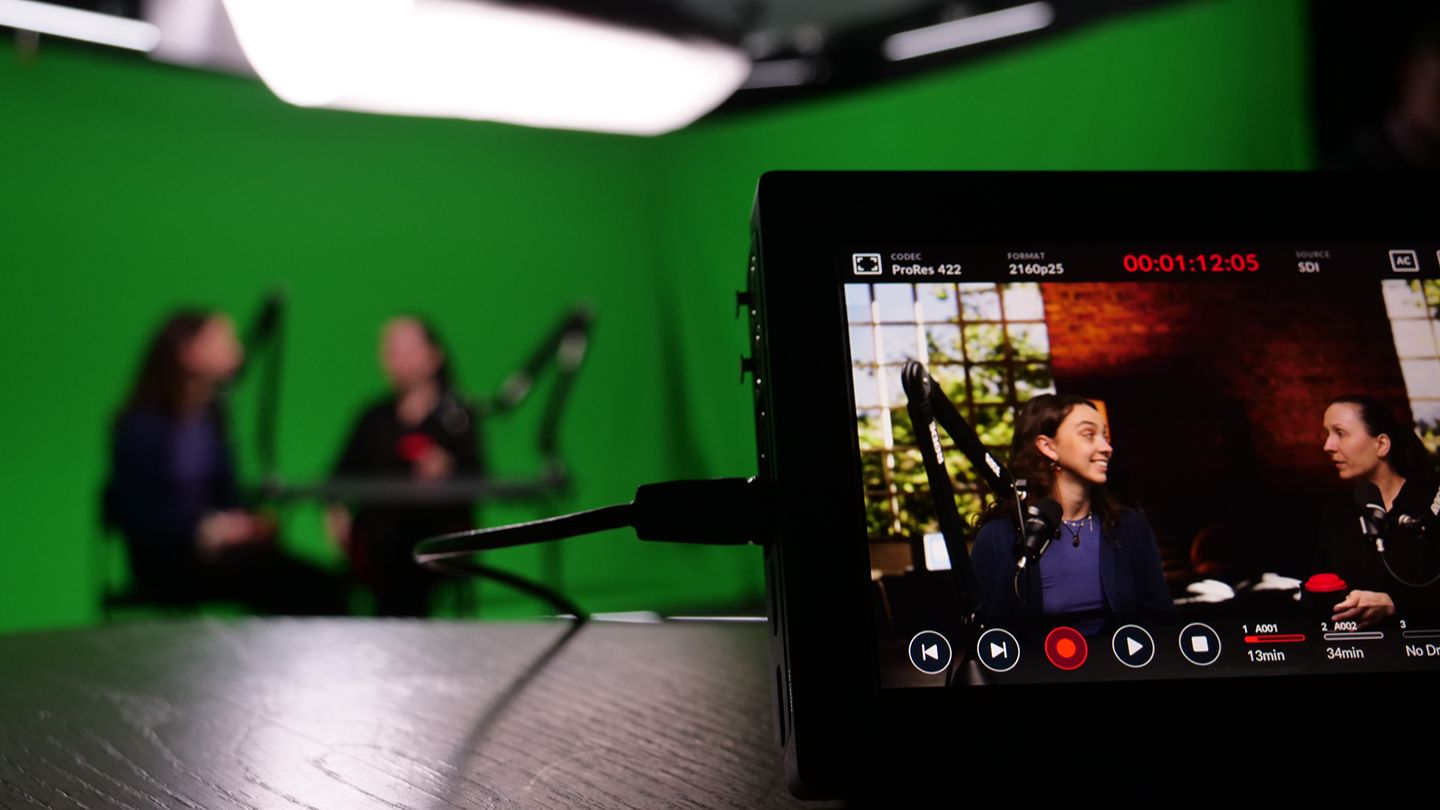
How virtual sets are changing the shape of podcast production
One podcast session can now feed a much wider content package spanning audio and video. Rob Chandler, Founder, CEO, The Dean Street Podcast Studio, explains how that changing demand shaped the studio he built in central London.