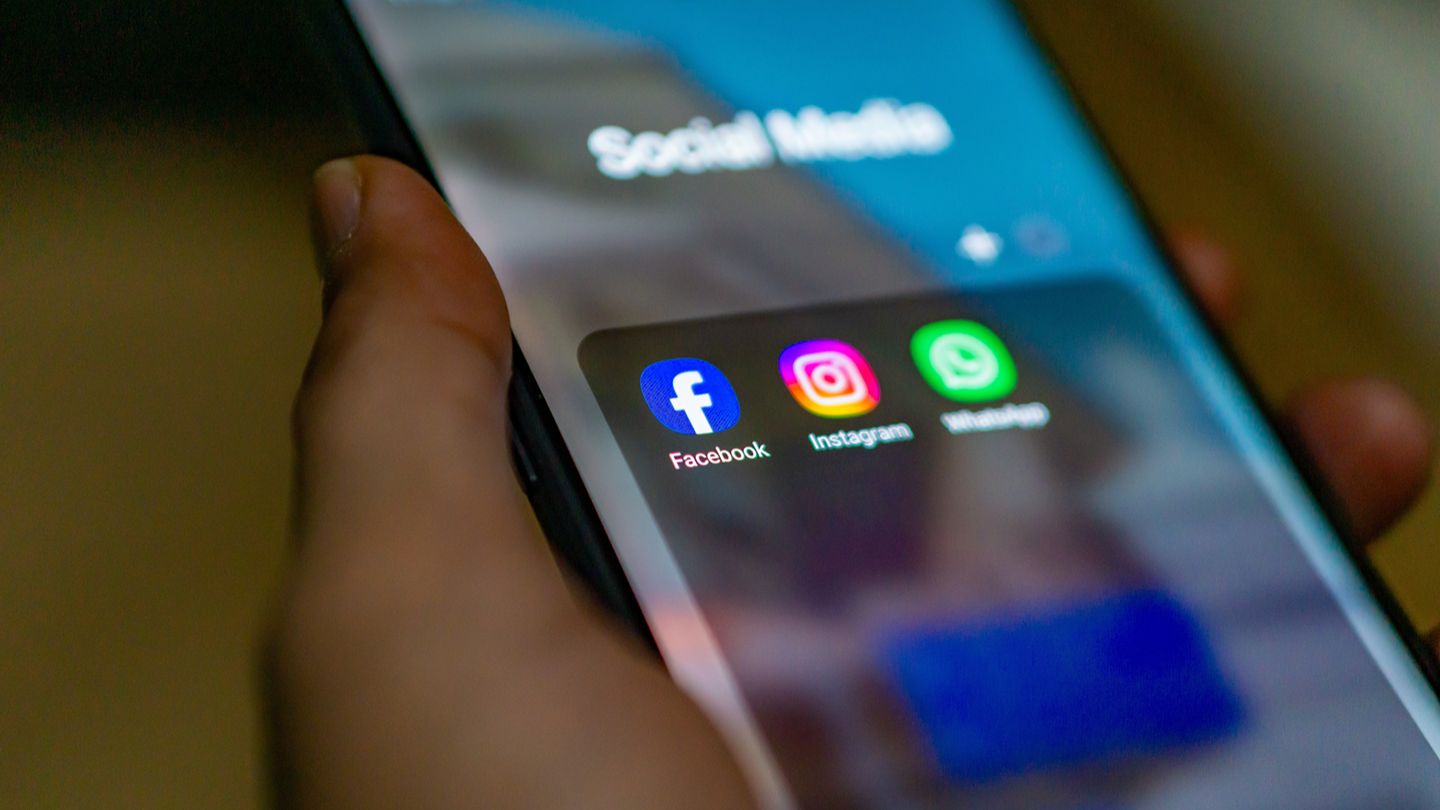
IBC Conference: TikTok’s Head of Sports Partnerships gave the IBC audience a taste of the power of social to supercharge sports engagement.
There’s another world out there. A mysterious world, obscure to even the greatest minds in the media industry. A world of tremendous power. That world is, of course, TikTok.
Rollo Goldstaub, Global Head of Sports Partnerships at TikTok, stood in front of a sports-savvy IBC audience, and schooled them about how any sports strategy that doesn’t highlight the tremendous potential of social media – TikTok in particular – is putting themselves at a disadvantage.
Goldstaub’s data-filled presentation was hot off the press and had only been seen previously at a presentation he gave during the US Open. The IBC audience also got a few extra insights that the US Open crowd missed out on.
One in eight people on the planet use TikTok, according to Goldstaub, each spending an average of 90+ minutes a day on the platform. Of those users, TikTok has calculated that 89% of them are interested in sports content, with 57% of users watching sports content on TikTok weekly. Over half of TikTok’s sports fans follow a professional league account on the platform.
The numbers are a reminder that social media is a natural home for sports content. Around 60 million TikTok accounts post sports-related content, and of the 25 most followed accounts on the platform, 19 of them are sports-related.
Content discovery
TikTok is built on a framework of content recommendation. The very nature of the platform makes it especially good at exposing viewers to new content that might appeal
to them. Those audiences sometimes considered “hard-to-reach” by traditional sports broadcasters are highly engaged in sports content on TikTok.
Of all the sports content views on TikTok, 46% of them were female, and, according to Goldstaub, 64% of women said TikTok was their go-to platform for sports content.
“Female viewers were more engaged because they were able to find things that appealed to them.”
Engaging younger audiences has been a concern for leagues and teams. To engage young audiences, they need to lead with social. Spanish football’s LaLiga, were one of the first leagues on the platform and deliberately chose it with the goal of building their audience.
The stats show that 64% of LaLiga’s audience on TikTok is under the age of 34. LaLiga youth engagement will only grow with Disney+ now showing La Liga matches in the UK and Ireland.
But the big question for sceptics is how social media engagement affects actual viewing. Goldstaub says that the data shows that people are 42% more likely to tune into live matches after watching sports content on TikTok.
“Game highlight and recaps were top of the list in terms of types of content watched,” explained Goldstaub. “That’s a good thing because it shows that people want to watch the core product.”
TikTok is now optimising the platform to make it easy for leagues and broadcasters to interact more directly with fans on the platform. These include links to content and bespoke bulletin boards for fan interaction. Fox recently trialed a feature where a sample of live gameplay was made available on the platform giving users the ability to switch out of TikTok directly to the broadcast if they wanted. TikTok doesn’t see the linking out as competition, because it will ultimately lead to more engagement, and the creation of more content, on the platform.
Goldstaub reminded the IBC audience that none of this should be thought of as getting a TikTok audience interested in mainstream content. It’s the reverse – getting sports content more connected to what already is the mainstream.
“The zeitgeist is starting on the app. if you see the content somewhere else, you’re are at the end of the conversation.”
.jpg)
Call my agent: Agentic AI begins buying media advertising
AI agents have the potential to automate media transactions at scale, but today’s focus is less about fully autonomous workflows and more on experimentation and efficiencies.
.jpg)
NAB Show New York: The stakes could not be higher
As media, technology, and politics become increasingly intertwined, the stakes extend far beyond the balance sheet.
.jpg)
6G-Holonet: Bringing Star Trek’s comms system to reality
As the 6G-Holonet project sets its sights on live entertainment, cultural heritage sites, and immersive media, Alex Buchan, Chief Technology Officer, DTG, reveals the key technological considerations that have ensured the project’s impact.
.jpg)
ULL-timate goal: How streamers are prioritising ultra-low latency
With audiences expecting instant global information, and broadcasters competing against social platforms that deliver clips within seconds, the race is on to deliver ultra-low latency (ULL) as a competitive edge.
RTS Convention: “The prize for standing still simply isn't an option”
AI was largely sidelined at the annual RTS gathering where the fate of public service media took precedence. Adrian Pennington reports.
.jpg)
.jpg)